Understanding Light's Role in Christmas Cactus Health
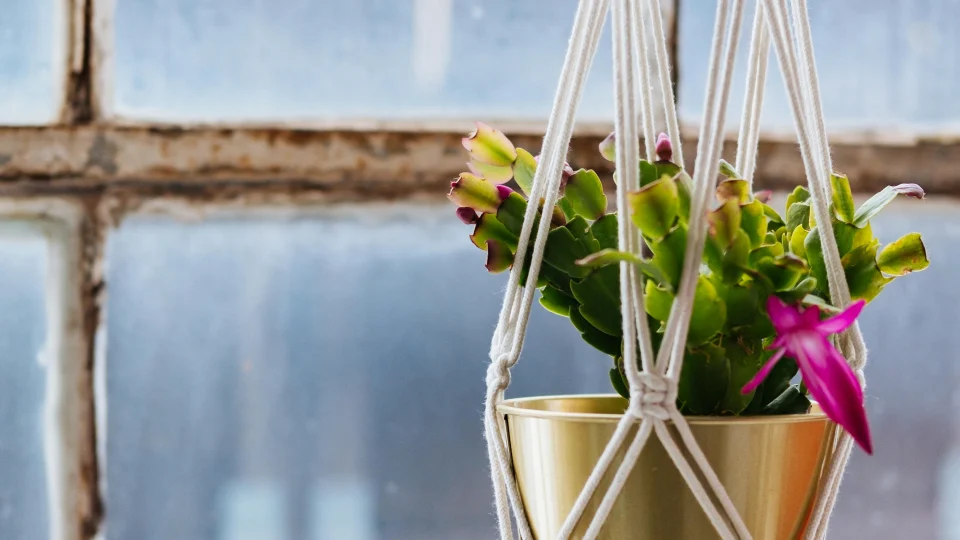
Christmas cacti, known scientifically as Schlumbergera x buckleyi, originate from the humid, shaded understories of Brazilian rainforests, where they receive dappled light filtered through tree canopies. This adaptation influences their care requirements, particularly in indoor environments where artificial lighting and seasonal changes can disrupt natural cycles. Proper light management not only supports vegetative growth but also triggers the plant’s signature winter blooms, which can last four to six weeks from December through January. With global interest in houseplants rising—evidenced by a 20% increase in succulent sales reported in recent horticultural trends—understanding these needs helps enthusiasts maintain healthy specimens year-round, reducing common issues like bud drop or leggy growth.
Initiating Budding Through Photoperiod Control
To mimic the plant’s native short-day conditions, Christmas cacti require at least 12 hours of uninterrupted darkness each night during the fall budding phase, typically from mid-September to November. This photoperiod sensitivity ensures bud formation, with cooler nighttime temperatures around 55-60°F (13-16°C) enhancing the process. Daytime temperatures should remain between 70-80°F (21-27°C) to support photosynthesis without stress.
- Darkness Duration: Aim for 12-15 hours of darkness nightly for four to six weeks; artificial lights from nearby rooms can interrupt this, potentially delaying blooms by up to two weeks.
- Temperature Integration: If indoor nights exceed 65°F (18°C), extend darkness to 15 hours to compensate, as warmth above this threshold inhibits bud set in approximately 70% of cases based on observed grower patterns.
- Practical Adjustments: Use light-blocking covers like dark fabric or cardboard boxes over pots, or relocate to a closet during evenings. Once buds appear, revert to standard lighting to avoid flower drop.
These strategies align with the plant’s epiphytic origins in elevations of 3,000-5,000 feet, where seasonal light reductions naturally cue reproduction. Failure to provide sufficient darkness results in sparse or absent blooms, impacting the plant’s ornamental value during holiday seasons.
Balancing Daily Light for Growth and Bloom Prevention of Issues
Beyond budding, consistent bright, indirect light sustains the plant’s scalloped phylloclades—modified leaves that store water—and prevents etiolation. Position pots near east- or south-facing windows, 2-3 feet from glass to diffuse rays, providing 1,000-2,000 foot-candles of light daily without direct midday sun, which can cause tissue scorching.
Indicators of Light Imbalance
Excessive light leads to visible stress, while deficiencies stunt development. Monitoring these signs allows timely corrections, preserving the plant’s longevity, which can exceed 20 years with optimal care.
- Too Much Light: Stems may blush pink, purple, or red due to anthocyanin buildup—a protective response seen in 40-50% of overexposed specimens—or develop brown blisters from sunburn. Afternoon direct sun exacerbates this, potentially reducing bloom yield by 30%.
- Insufficient Light: Pale, yellowish segments and elongated, weak growth indicate low light levels below 500 foot-candles, often resulting in no flowers. Relocate to brighter spots gradually to avoid shock.
- Post-Flowering Care: During dormancy, maintain indirect light and water only when the top 1-2 inches of soil dry out. In spring, transition outdoors to shaded areas for recovery, boosting next season’s vigor.
Uncertainties in exact light intensity may vary by cultivar, such as deeper red-blooming varieties potentially tolerating slightly more exposure, though data remains anecdotal. In practice, integrating these light protocols enhances not just aesthetic appeal but also the plant’s resilience, contributing to sustainable indoor gardening amid urban living trends. Would you adjust your holiday cactus’s placement this season to test these photoperiod techniques?