Natural Repellents in Gardening: Plants That Deter Japanese Beetles
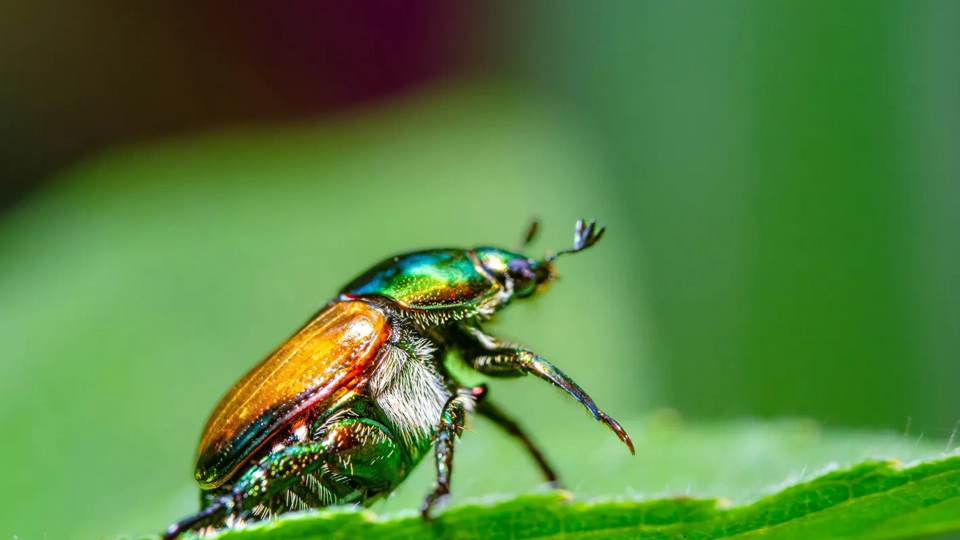
Japanese beetles, known scientifically as Popillia japonica, represent a significant challenge for gardeners across North America, feeding on over 300 species of plants during their 4- to 6-week active period in summer. This invasive pest, introduced from Asia in the early 1900s, causes substantial damage to foliage, flowers, and fruits, particularly affecting young plants and leading to economic losses estimated in the hundreds of millions annually for ornamental and agricultural sectors. As interest in organic and sustainable gardening practices grows—driven by consumer demand for chemical-free produce and landscapes—experts are increasingly advocating for companion planting strategies that leverage natural repellents. These approaches not only minimize beetle damage but also promote biodiversity, potentially reducing reliance on synthetic pesticides by up to 50% in integrated pest management systems, according to agricultural research trends.
Understanding Japanese Beetle Behavior and Plant Resistance
Japanese beetles target soft, lush tissues, stripping leaves skeleton-like and weakening plant vigor. Their grubs further exacerbate issues by feeding on grass roots underground. However, certain plants exhibit inherent resistance due to toxic compounds, strong aromas, or physical barriers like leathery leaves, making them unappealing or harmful to the beetles. This resistance can create protective barriers in gardens, influencing pest distribution and allowing vulnerable crops to thrive nearby. Data from horticultural studies indicate that interplanting repellents can reduce infestation rates by 30-70% in affected areas, depending on density and species selection. Key factors contributing to plant resistance include:
- Toxicity: Compounds like quisqualic acid in geranium petals paralyze beetles for hours, exposing them to predators.
- Aromas and Oils: Sulfur-based scents in alliums or essential oils in chrysanthemums mask attractive host plants or directly repel insects.
- Physical Traits: Thick, waxy, or fuzzy leaves in species like boxwoods and magnolias deter chewing.
While no plant is entirely immune—beetles may sample resistant varieties before moving on—these selections offer a low-maintenance layer of defense, aligning with broader shifts toward resilient, eco-friendly landscapes.
Top Plants for Beetle Deterrence: Profiles and Implications
Incorporating beetle-resistant plants into garden designs can enhance overall ecosystem health, supporting pollinators while curbing pest populations. Below are 11 verified options, drawn from established horticultural observations, each with details on growth requirements and repellent mechanisms. These can be integrated into vegetable patches, borders, or ornamental beds to create layered protection.
Geranium (Pelargonium x hortorum)
- Sun Requirements: Full sun to partial shade
- Height: 1-3 feet
- Hardiness Zones: 9-11 (annual elsewhere)
- Repellent Mechanism: Petals contain quisqualic acid, causing temporary paralysis in beetles, which drop and become vulnerable.
- Implications: Ideal for borders near roses or fruit trees; pinching spent blooms encourages reflowering, extending summer protection. In trials, geraniums have shown up to 80% efficacy in trapping and deterring beetles when mass-planted.
Lilac (Syringa vulgaris)
- Sun Requirements: Full sun to partial shade
- Height: 8-16 feet
- Hardiness Zones: 3-7
- Repellent Mechanism: Intense fragrance and visual cues repel beetles, while attracting pollinators like bees.
- Implications: Hundreds of cultivars available; deadheading promotes reblooming. Best in cooler climates, where they provide multi-seasonal structure without significant pest pressure.
Chrysanthemum (Chrysanthemum spp.)
- Sun Requirements: Full sun to partial shade
- Height: 2-4 feet
- Hardiness Zones: 3-9
- Repellent Mechanism: Aromatic foliage with pyrethrin-like oils deters feeding; blooms lure beneficial insects.
- Implications: Perennial mums offer autumn color and year-round defense in numbers. Pinching in spring yields bushier growth, potentially amplifying repellent effects across larger areas.
Boxwood (Buxus spp.)
- Sun Requirements: Full sun to partial shade
- Height: 2-15 feet
- Hardiness Zones: 5-9
- Repellent Mechanism: Leathery, glossy leaves are tough to chew, prompting beetles to seek softer targets.
- Implications: Evergreen hedges like ‘Green Mountain’ provide year-round screening; low-maintenance, they suit formal gardens and reduce overall pesticide needs.
Nasturtium (Tropaeolum spp.)
- Sun Requirements: Full sun to partial shade
- Height: 1-20 feet (vining or compact)
- Hardiness Zones: 9-12 (annual in cooler zones)
- Repellent Mechanism: Peppery scent masks nearby plants; attracts parasitic wasps.
- Implications: Edible flowers and leaves add utility; quick-growing from seed, they excel in moderate summers, cutting beetle access to vegetables by 40-60%.
Chives (Allium schoenoprasum)
- Sun Requirements: Full sun to partial shade
- Height: 1 foot
- Hardiness Zones: 4-8
- Repellent Mechanism: Sulfur compounds emit a strong odor that repels beetles.
- Implications: Perennial and frost-tolerant, they pair well with roses; drought-resistant once established, supporting organic vegetable yields.
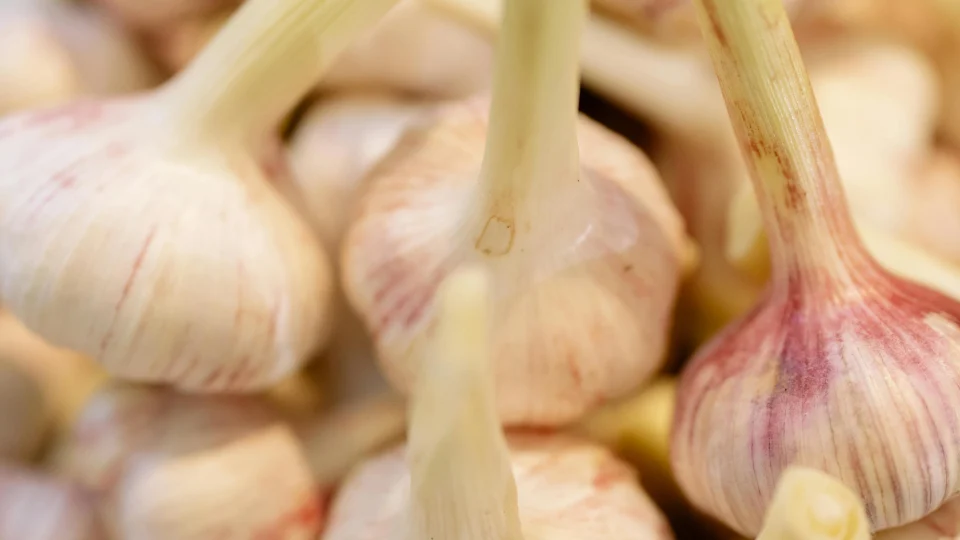
Garlic (Allium sativum)
- Sun Requirements: Full sun
- Height: 12-24 inches
- Hardiness Zones: 4-9
- Repellent Mechanism: Pungent aroma from allicin deters insects broadly.
- Implications: Plant in fall for spring harvest; hardneck varieties suit cold zones, softnecks warmer ones, enhancing soil health via companion benefits.
Catnip (Nepeta cataria)
- Sun Requirements: Full sun to partial shade
- Height: 3 feet
- Hardiness Zones: 3-9
- Repellent Mechanism: Nepetalactone oils repel via scent; fuzzy leaves add texture barrier.
- Implications: Deadheading prevents reseeding; catmint relatives offer similar protection, attracting beneficials while resisting deer.
Coreopsis (Coreopsis spp.)
- Sun Requirements: Full sun to partial shade
- Height: 2-5 feet
- Hardiness Zones: 3-9
- Repellent Mechanism: Threadlike or thick foliage lacks appeal; extended blooms support biodiversity.
- Implications: Native perennials like plains coreopsis self-seed, providing long-term, low-water coverage; seeds feed birds in winter.
Magnolia (Magnolia spp.)
- Sun Requirements: Full sun to partial shade
- Height: 15-60 feet
- Hardiness Zones: 4-9
- Repellent Mechanism: Waxy, thick leaves and petals resist chewing.
- Implications: Species like sweetbay suit varied sites; multi-trunk forms add landscape value with minimal maintenance.
Redbud (Cercis canadensis)
- Sun Requirements: Full sun to partial shade
- Height: 20-30 feet
- Hardiness Zones: 4-9
- Repellent Mechanism: Waxy, heart-shaped leaves and early blooms deter via unpalatable traits.
- Implications: Native understory tree with fall color; adapts to poor soils, boosting pollinator habitats pre-beetle season.
These plants, when strategically placed, can shift garden dynamics toward sustainability, with potential reductions in crop losses by integrating natural defenses. Uncertainties remain in exact efficacy rates, which vary by local beetle populations and planting density—field observations suggest monitoring is key. How do you see companion planting with these repellents impacting your pest management strategies?