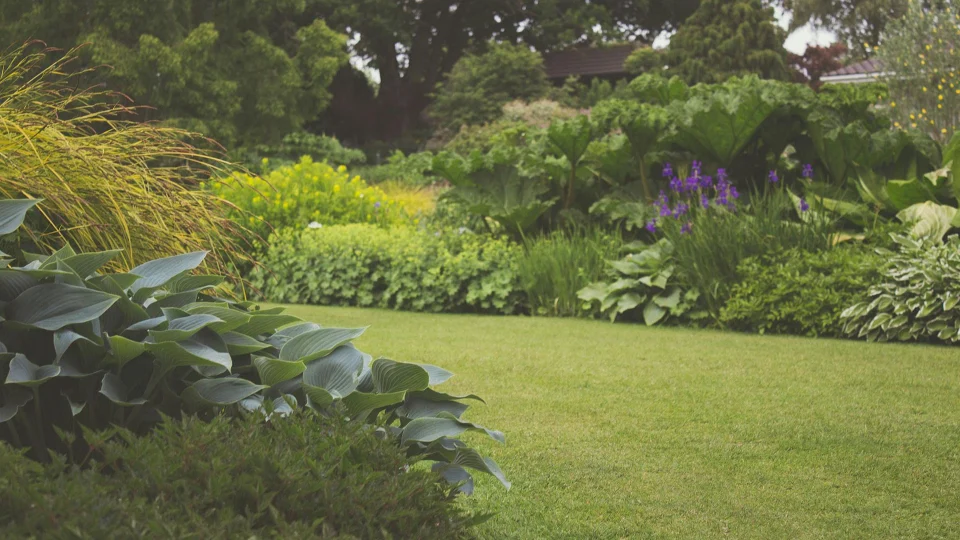
In the quiet suburbs of early 20th-century America, manicured lawns symbolized prosperity and control over nature, a trend born from European estate gardens and amplified by post-World War II suburban expansion. Yet, as environmental awareness grew in the late 20th century—spurred by movements like Rachel Carson’s Silent Spring in 1962—gardeners began questioning the sustainability of these high-maintenance designs. Today, a shift is underway: perfect, pesticide-laden yards are giving way to wilder, more resilient spaces that mimic local ecosystems. Have you noticed how your own garden battles weeds and water restrictions, while nearby meadows thrive effortlessly?
The Appeal of Natural Garden Designs
This transformation isn’t just aesthetic; it’s a response to broader societal pressures. Urban sprawl has fragmented habitats, leaving pollinators and wildlife struggling—studies show native plantings can boost biodiversity by up to 30% in residential areas. In regions like the Willamette Valley of Oregon, where seasonal rains and diverse soils support hardy flora, gardeners like Jerad Bryant, a local botanical enthusiast and member of the Willamette Valley Hardy Plant Group, advocate for low-effort landscapes that foster community with nature rather than domination. Natural gardens reduce labor and resource use: no constant mowing or chemical inputs, just plants that self-sustain. They create layered habitats—tall trees for nesting, understory shrubs for shelter, and ground covers for foraging—turning backyards into vital corridors for birds, bees, and mammals. Historically, indigenous landscaping practices across North America emphasized such harmony, using species adapted to local conditions long before colonial formal gardens imposed rigid symmetry.
Selecting Native Plants for Authenticity of Natural Gardens
To achieve that untamed yet pleasing vibe, start with natives: species evolved in your locale that require minimal intervention. These plants not only blend seamlessly but also combat invasive species, which have cost the U.S. economy billions in control efforts since the 1800s. Bryant emphasizes matching plants to your zone’s ecology—cacti for arid Southwest deserts, evergreens for misty Pacific Northwest forests. Avoid non-natives unless they’re non-invasive and contained. Key recommendations include:
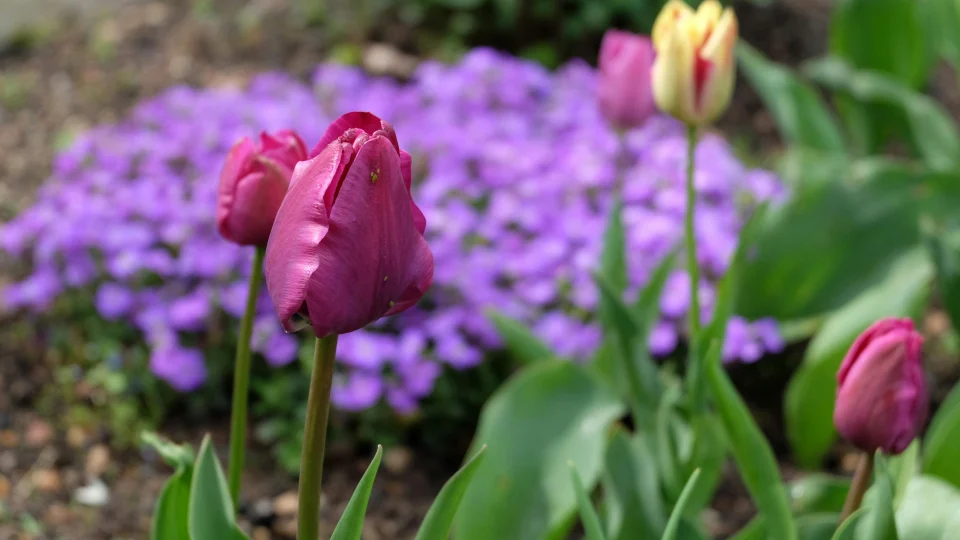
- Wildflowers for color and pollinators: American asters, goldenrods, and purple coneflowers (Echinacea purpurea), which bloom reliably and attract butterflies without extra watering.
- Leafy perennials for texture: Hostas and brunnera for bold foliage that fills gaps, providing overwintering spots for beneficial insects like native bees.
- Succulents in warmer climates: Agaves and aloes for drought-tolerant drama, echoing natural rock outcrops.
“Native plants know how to survive the seasonal changes that are common in your climate,” notes Bryant, highlighting their role in rebuilding biodiversity.
Uncertainties arise in mixed plantings; while 80% of natives thrive in suitable zones, soil pH variations (e.g., acidic vs. alkaline) may require testing for optimal growth.
Building Layers with Trees, Shrubs, and Grasses
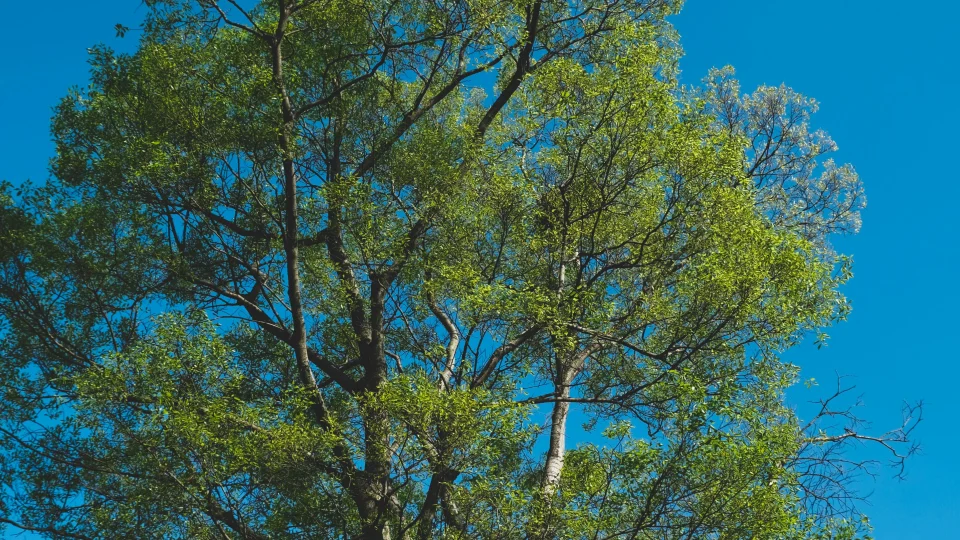
A natural look demands vertical diversity, mimicking forest edges or prairies. Begin with canopy layers: shade trees like flowering cherries for spring bursts or crape myrtles for late-summer color, reaching 20-40 feet to offer shelter without overwhelming small yards. Underneath, wild shrubs form irregular hedges—serviceberries for berries that feed birds, or beautyberries for vibrant fall foliage. Arrange in curves or clusters of three, pruning only dead wood to encourage dense, unruly growth. Ground level ties it together:
- Tough perennials: Black-eyed Susans, milkweeds, and yarrow—floppy and reblooming, they leave dead stems for insect habitat.
- Reseeding annuals: Zinnias and sunflowers to cover bare soil, self-sowing for perpetual renewal; deadhead mid-season for more blooms.
- Ornamental grasses: Native muhly or sedges for swaying texture, adding movement without invasiveness.