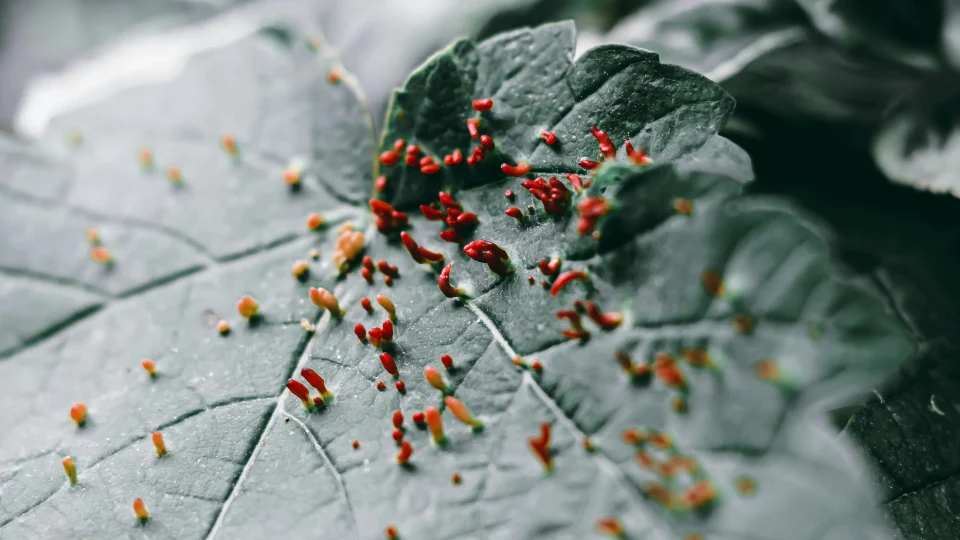
Aphids Pose Ongoing Challenge for Home Gardeners
Aphids remain one of the most persistent pests affecting home gardens worldwide, with their populations surging in warmer months and causing widespread damage to crops and ornamentals. These small insects, often measuring just 1/16 of an inch, feed on plant sap across a variety of species, leading to weakened growth and secondary issues like sooty mold from their honeydew residue. Recent observations highlight how certain popular plants inadvertently invite these pests, complicating efforts to maintain healthy landscapes without heavy reliance on chemicals.
Key Characteristics and Impacts of Aphids
Aphids, sometimes referred to as plant lice, appear in colors such as white, yellow, red, brown, gray, or green. They target a broad range of hosts, including roses, vegetables, fruit trees, and even weeds.
- Feeding Behavior: Aphids pierce plant tissues to extract sap, resulting in withered or yellowed leaves and stunted growth.
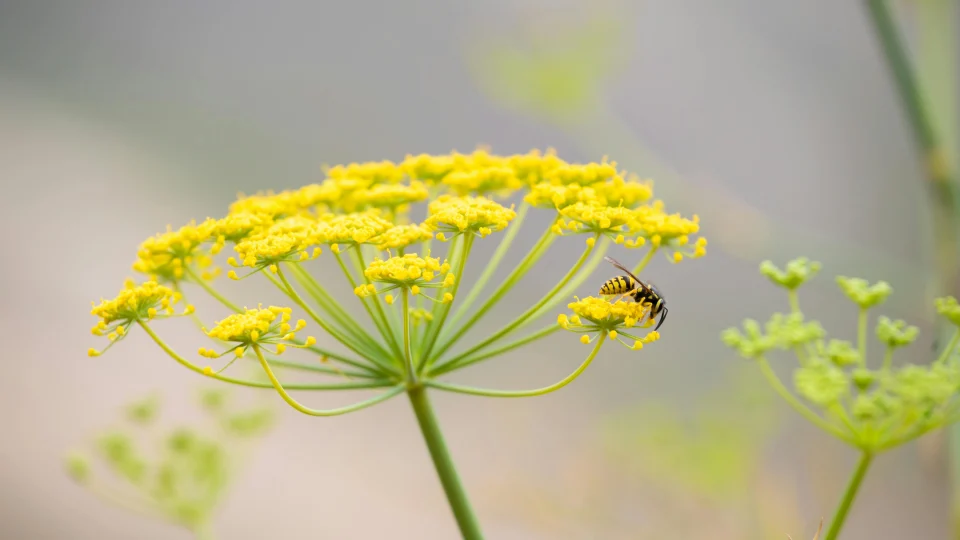
- Secondary Effects: Their excretions produce sticky honeydew, which attracts ants and yellowjackets, potentially exacerbating infestations.
- Reproduction and Spread: Many species reproduce rapidly, especially in spring and summer, with some shedding skin to reveal white forms indicating maturity and impending egg-laying.
- Detection Tips: Look for clusters on leaf undersides, stems, or new growth; specific types may appear pear-shaped, fuzzy, or ant-like.
Control methods focus on non-chemical approaches where possible. High-pressure water from a hose dislodges aphids effectively, as their poor navigation makes re-infestation unlikely. Neem oil sprays interfere with feeding without toxicity to plants, while soapy water solutions target leafy greens. Introducing natural predators like ladybugs can help manage populations, particularly for species affecting vegetables. No major uncertainties exist in reported aphid behaviors, though infestation severity varies by climate and plant health—fast-growing varieties often attract more pests due to excess nitrogen from fertilizers.
Plants Most Susceptible to Aphid Attraction
Gardens featuring the following 12 plants may unknowingly harbor aphid colonies, as these species provide ideal sap-rich environments. Early monitoring and targeted interventions can prevent widespread damage.
Flowers and Ornamentals
- Roses: Attracted to the sweet sap in leaves, flowers, and stems; weakens bushes and increases disease risk. Reduce fertilizer to deter fast growth.
- Milkweed (Asclepias syriaca): Draws oleander aphids, typically golden-yellow, leading to honeydew and sooty mold. The plant’s toxic sap repels predators like wasps or ladybugs.
- Sunflowers (Helianthus annuus L.): Hosts brown ambrosia aphids, pear-shaped and brown; also affects purple coneflowers (Echinacea purpurea) and black-eyed Susans. Generally causes minimal damage unless overwhelming.
Vegetables and Vines
- Spinach: Targeted by turnip or green peach aphids, visible as pencil-point-sized bugs under leaves; persists in mild winters above 50 degrees Fahrenheit. Soapy water is a safe remedy.
- Cucumbers: Melon aphids, darker in color, cluster on leaf undersides and multiply quickly in warm seasons; white shed skins signal rapid maturation.
- Long Beans (Vigna unguiculata) and Legumes: Aphids identifiable by two cornicles (tail-like projections) can destroy entire plants, preventing soil nitrogen benefits.
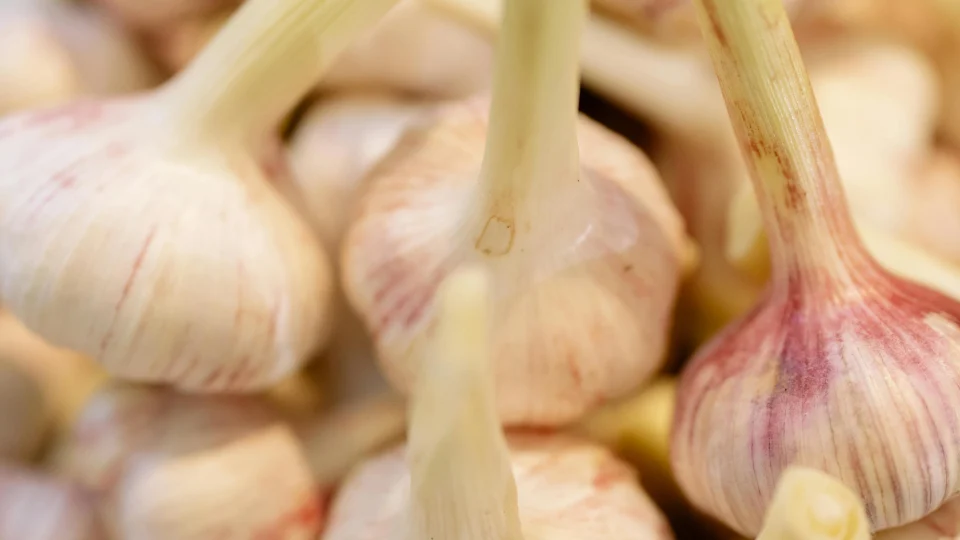
- Watermelon: Melon aphids in white, black, yellow, or green thrive in summer heat; deter with rosemary oil or companion plants like garlic and chives.
- Potatoes: Potato aphids, green or pink, reside under leaves and transmit diseases such as potato leafroll; ladybugs provide natural control and also target peppers and eggplants.
Trees and Fruits
- Oak Trees: Black oak aphids, resembling tiny ants, are host-specific to oaks and difficult to remove from heights; specialized insecticides may be needed.
- Apple Trees: Spirea or apple aphids, lime-green with black eggs, cause leaf curling; also infest pears, preferring young foliage.
- Pine Trees: Woolly aphids, covered in white fuzz, feed on needles without killing the tree but cause browning; hose sprays and pruning affected branches help, with thorough insecticide application in needle clusters.
- Peach Trees: Green peach aphids use color contrast between soil and foliage to locate hosts; also affect potatoes, tomatoes, beans, peppers, and pumpkins. Reflective mulch reduces visibility.
These attractions underscore aphids’ adaptability, with some species like melon aphids tolerating heat better than others. While no large-scale statistics on recent outbreaks are available, gardeners report increased pressures from climate variability, potentially amplifying impacts on food production. As gardening practices evolve toward sustainability, understanding these plant-pest dynamics could lead to more resilient landscapes. What strategies might homeowners adopt next to balance beauty and biodiversity in the face of rising pest challenges?