Imagine standing in your cozy apartment kitchen, the aroma of earth and fresh greens mingling with your morning coffee, as you pluck vibrant slips from a humble tuber—proof that even in the heart of a bustling city, nature’s bounty is within reach. For urban dwellers and space-strapped gardeners, the sweet potato (Ipomoea batatas) offers a resilient path to self-sufficiency, echoing centuries-old practices from South American indigenous communities who first cultivated this versatile crop around 5,000 years ago. Today, as urban populations swell and outdoor space dwindles, this ancient staple is making a quiet comeback indoors, blending tradition with modern convenience.
Cultivating Sweet Potatoes: A Rooted Tradition Meets Urban Innovation
Sweet potatoes have long symbolized abundance and adaptability, originating in the tropical regions of Central and South America where they were a dietary cornerstone for civilizations like the Inca. Spanish explorers carried them to Europe and Asia in the 16th century, where they flourished in diverse climates. Fast-forward to the 21st century, and with over 50% of the world’s population now living in cities—according to global urbanization trends—these sprawling vines are being reimagined for indoor growth. This method not only democratizes access to fresh produce but also promotes sustainable eating by reducing reliance on store-bought items, potentially cutting household food miles and supporting mental well-being through hands-on gardening.
Selecting the Right Varieties for Compact Spaces
Not all sweet potatoes are suited for the confines of a windowsill or countertop. Traditional varieties demand up to 3 feet of sprawling space outdoors, but compact “bush” types thrive in pots, making them ideal for apartments or small homes.
- ‘Vardaman’: A petite orange-fleshed option with shorter vines, maturing in about 100 days and producing sweet, nutty tubers.
- ‘Beauregard’: Known for its reddish skin and vibrant orange interior, this variety also reaches harvest in roughly 100 days and tolerates indoor conditions well.
- ‘Centennial’: Favors smaller potatoes, perfect for limited pots, with a milder flavor that appeals to beginners.
- ‘Bush Porto Rico’: Compact growth habit ensures it won’t overwhelm indoor setups, yielding reliable crops in warmer microclimates.
These selections prefer temperatures of at least 70 degrees Fahrenheit, aligning with USDA Hardiness Zones 9-11 for optimal warmth. Historical records note that sweet potatoes were once grown in colonial American greenhouses for their warmth-loving nature, a practice now accessible to anyone with a sunny spot.
"Sweet potatoes are one of those perennial wonders you plant once and enjoy endlessly," notes gardening enthusiast Cara Lockwood Benoit, highlighting their low-maintenance appeal in constrained environments.
Step-by-Step Guide: From Slip to Harvest
The journey begins with propagating “slips”—the leafy stems sprouting from the potato’s eyes—a technique refined over generations from subsistence farming to hobbyist delight. Start with an organic tuber from a local market, as commercially treated ones may resist sprouting (an uncertainty flagged here, as sprouting success varies by treatment).
- Submerge two-thirds of the sweet potato in a jar of water, pointed end down, securing it with toothpicks along the rim. Alternatively, half-bury it in moist soil.
- Position near a south-facing window for natural light, or supplement with grow lights for 14-16 hours daily if sunlight is scarce.
- Wait 2-6 weeks for slips to emerge, then gently pinch them off and root in water until tendrils reach about an inch long.
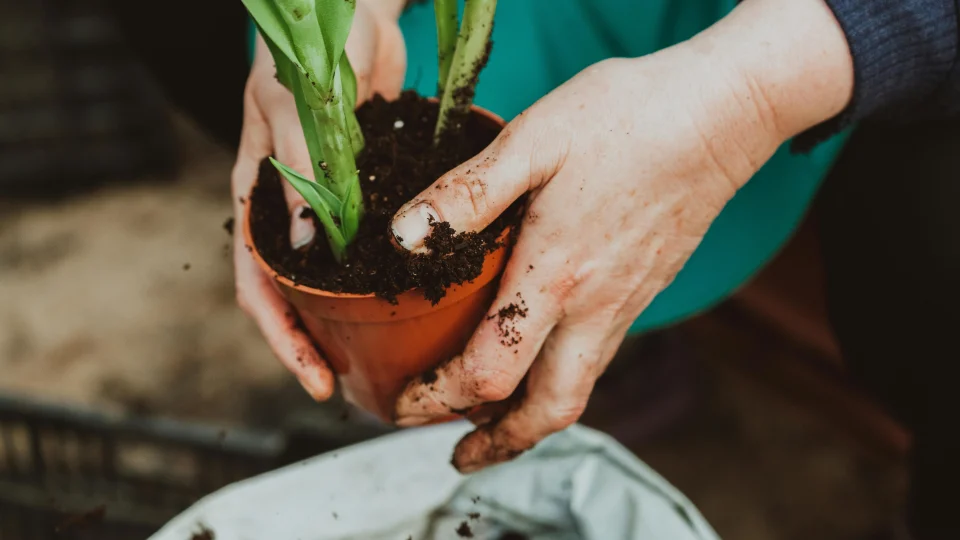
Transfer to a 15- or 20-gallon container filled with well-draining soil, enhanced with loam or sand at the base to prevent waterlogging. Monthly applications of low-nitrogen fertilizer encourage tuber development over leafy growth, as the edible part forms as a tuberous root underground. With consistent care, expect a harvest in 3-4 months, yielding potatoes rich in vitamins A and C—nutrients vital in historical diets during lean times. This indoor approach not only yields 5-10 pounds per plant in ideal conditions but also fosters a sense of continuity with the crop’s global legacy, from Polynesian voyages where sweet potatoes served as vital provisions to modern urban farms combating food insecurity. How do you see indoor gardening like this shaping sustainable living in your community?