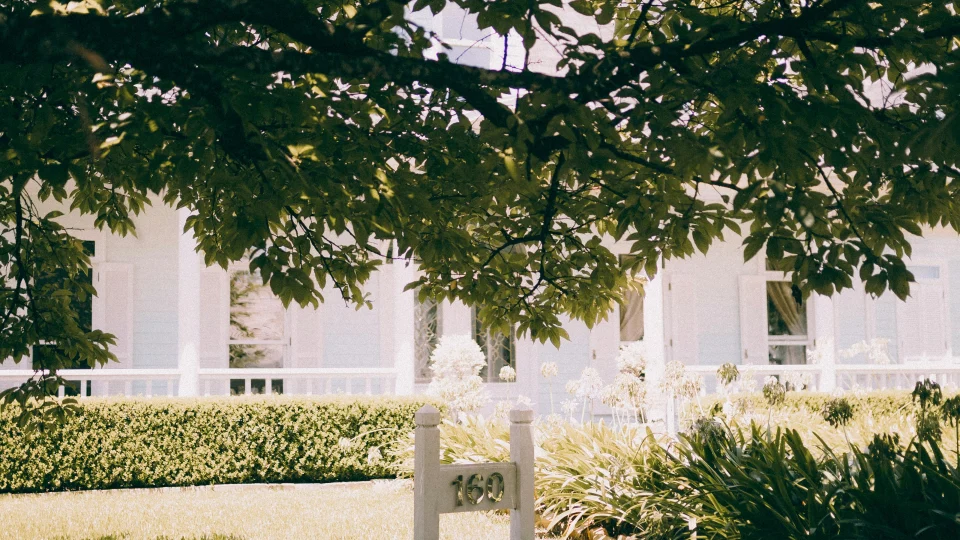
Imagine a sweltering summer afternoon in a suburban backyard, where the sun beats down relentlessly on a patchy lawn, turning family gatherings into a test of endurance. Now picture the same space transformed: a canopy of leaves filtering the heat, inviting laughter and relaxation under dappled shade, with minimal raking or debris to interrupt the peace. For generations, homeowners have planted trees to combat urban heat, drawing from traditions as old as ancient orchards in Mediterranean villages that provided respite from scorching days. Yet, the quest for shade often clashes with the reality of endless cleanup. In recent years, as climate patterns push temperatures higher, gardeners are turning to smarter choices—trees that offer cooling benefits without the burden of constant maintenance.
The Rise of Practical Shade Solutions
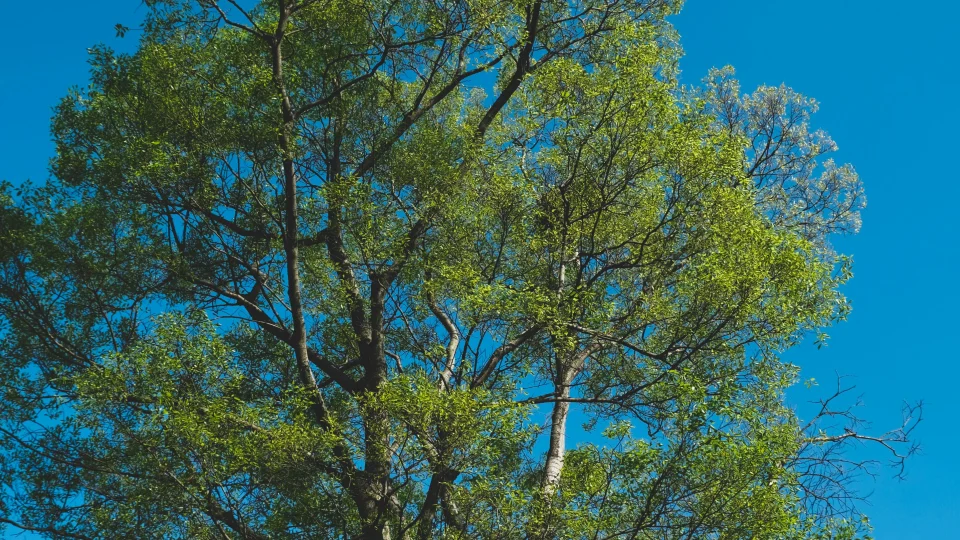
As urban landscapes evolve and summers grow longer, selecting the right shade tree has become a key strategy for creating comfortable outdoor spaces. These selections prioritize varieties with small leaves, minimal fruit drop, or evergreen habits that reduce litter, allowing more time for enjoyment than upkeep. Drawing from established horticultural knowledge, experts emphasize trees that not only lower yard temperatures by up to 10 degrees Fahrenheit through transpiration but also support local ecosystems by attracting pollinators and wildlife.
Top Low-Mess Options for Varied Climates
Homeowners across different regions can find suitable trees that balance shade provision with tidiness. Here are some standout choices, each adapted to specific hardiness zones and soil conditions:
- American Elm (Ulmus americana): This towering native can reach 80 feet, casting broad shadows ideal for large yards. Its small leaves simplify fall cleanup, and disease-resistant cultivars like ‘Valley Forge’ ensure longevity. Hardy in zones 3-9, it serves as a host for native pollinators, echoing its historical role in American landscapes before widespread Dutch elm disease in the mid-20th century.
- American Holly (Ilex opaca): An evergreen option growing to 60 feet tall and 20 feet wide, it provides year-round coverage without leaf drop. Berries appear only with both male and female trees planted nearby, adding visual interest. Thriving in zones 5-9 with full to partial sun, it’s a low-litter choice that has long symbolized resilience in Eastern U.S. gardens.
- Katsura Tree (Cercidiphyllum japonicum): Known for its subtle cinnamon-sugar scent in autumn, this 60-foot-tall tree (50 feet wide) sheds small leaves that decompose quickly. Adaptable to clay or sandy soils in zones 4-8, it avoids alkaline conditions but offers a tidy, aromatic alternative to messier hardwoods.
- Thornless Honeylocust (Gleditsia triacanthos var. inermis): Fast-growing to 40 feet, seedless varieties like ‘Emerald Kascade’ minimize pod litter while small leaflets make raking effortless. Tolerant of drought, poor soil, and even black walnut proximity in zones 4-9, it’s a rugged pick for challenging sites.
These trees highlight a shift toward practical planting, where historical favorites are refined for modern needs. > “Choosing a low-mess shade tree isn’t just about beauty—it’s about reclaiming your weekends,” notes a landscape architect specializing in sustainable designs.
Evergreen and Deciduous Standouts for Year-Round Appeal
For those seeking persistent greenery or seasonal flair, evergreens and select deciduous types stand out for their minimal impact on yard chores. These options integrate well into diverse settings, from small urban lots to expansive properties, promoting biodiversity amid rising environmental concerns.
- American Arborvitae (Thuja occidentalis): Narrow and columnar, some cultivars hit 60 feet, making them suitable for targeted shading along paths or borders. Requiring moist soil in zones 3-7, they attract birds and wildlife with little debris, a staple in North American hedging since colonial times.
- Faber Evergreen Maple (Acer fabri): Retaining leaves above 20°F, this 30-foot tree avoids typical maple mess, though it produces seeds. Ideal for zones 7-10 in well-draining soil with full to partial sun, it’s popular among pollinators and suits smaller yards seeking subtropical vibes.
- Canadian Hemlock (Tsuga canadensis): Reaching 70 feet in zones 3-7, its small cones (under an inch) create negligible litter, while bright green needles offer dense shade. Preferring moist, acidic soil, smaller cultivars fit tighter spaces, evoking the coniferous forests that once dominated the Northeast.
- Bald Cypress (Taxodium distichum): A deciduous conifer growing 50-70 feet, its fine needles drop but require scant cleanup, providing summer shade in zones 4-9. Sturdy against storms and thriving in wet soils, these long-lived trees (up to 600 years) have historically stabilized riverbanks in the American South.
While no tree is entirely litter-free—factors like wind or pests can influence mess—opting for these reduces maintenance by focusing on inherent traits. Uncertainties remain around long-term adaptability to shifting climates, such as increased drought in some zones, but their established hardiness offers reliable starting points. As we face warmer global temperatures, integrating such trees could transform backyards into resilient havens, cutting energy use for cooling and fostering greener communities. What might this mean for the future of urban gardening, where shade becomes not just a luxury, but a necessity for sustainable living?