
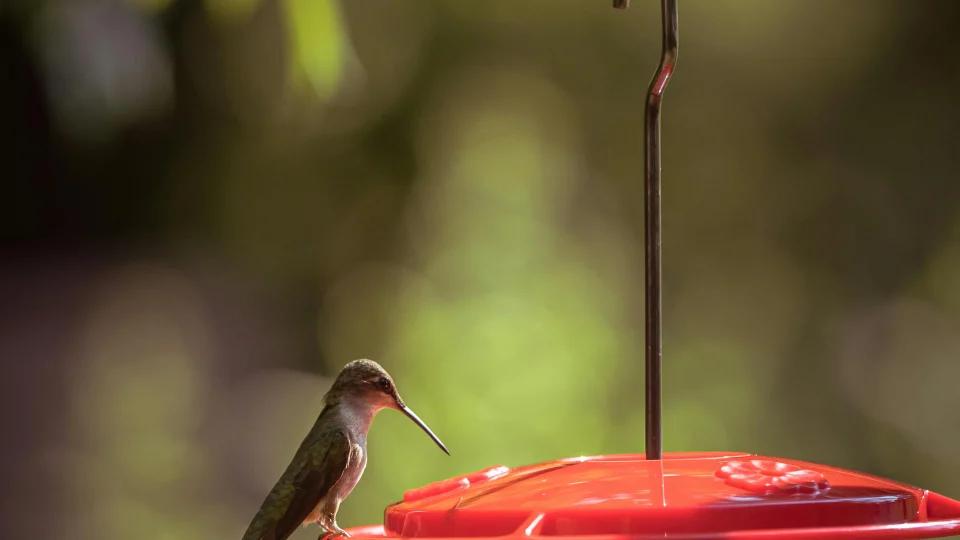
Imagine a serene summer afternoon in your garden, where the whir of hummingbird wings signals a successful feeder setup. But upon closer inspection, a motionless praying mantis perches atop the device, its forelegs folded in apparent prayer. This seemingly benign scene belies a potential danger, as these insects can turn feeders into hunting grounds for the tiny birds they attract.
The Predatory Dynamics Between Praying Mantises and Hummingbirds
Praying mantises, known for their ambush hunting style, have been observed targeting hummingbirds at nectar feeders, raising concerns among gardeners and wildlife enthusiasts. These insects, which can grow up to 5 inches in length, often exceed the size of smaller hummingbird species that measure around 2 inches. Despite their size disparity, mantises exhibit remarkable predatory efficiency, striking with spiky forelegs that exert a force exceeding 2.25 pounds—enough to seize prey larger than themselves. While such attacks remain infrequent, documented instances highlight the mantis’s opportunistic behavior. They position themselves near feeders to ambush not only smaller insects drawn to the sugar water but also the birds themselves. Hummingbirds, territorial and aggressive toward rivals, may not perceive the mantis as a threat until it’s too late. This interaction underscores a broader ecological tension in managed gardens, where human-provided resources inadvertently facilitate predator-prey encounters.
Factors Influencing Mantis Predation Risk
Several environmental and behavioral elements contribute to the likelihood of mantis-hummingbird conflicts:
- Habitat Preferences: Mantises thrive in dense foliage, using shrubs and trees as camouflage. Feeders placed near such cover increase ambush opportunities, as the insects blend seamlessly with their surroundings.
- Prey Selection: Mantises are indiscriminate hunters, targeting anything from aphids to larger vertebrates. Their stillness and rapid strike make them effective against fast-moving hummingbirds, though success depends on the bird’s approach angle and the mantis’s positioning.
- Seasonal Patterns: Incidents peak during warmer months when both species are active, aligning with peak feeder use. No comprehensive statistics exist on attack frequency, but anecdotal reports suggest it’s rare compared to other threats like aerial predators or domestic cats.
Experts note that while mantises play a valuable role in pest control—consuming garden-damaging insects like aphids and caterpillars—their presence at bird feeders tips the balance toward unintended consequences. “The praying mantis is a garden ally until it targets the very wildlife we’re trying to support,” observes one entomologist, emphasizing the need for balanced ecosystem management.
Protective Measures and Broader Garden Implications
To mitigate risks without disrupting beneficial insect populations, gardeners can adopt targeted strategies. Relocating feeders is a primary recommendation, as it disrupts the mantis’s hunting vantage points.
- Immediate Relocation: If a mantis is spotted, gently remove it to nearby vegetation and shift the feeder to an open area, at least 10-15 feet from dense plants. This reduces hiding spots while maintaining bird access.
- Avoid Chemical Interventions: Insecticides are counterproductive, as they harm hummingbirds and non-target species. Instead, focus on physical barriers or natural deterrents like reflective tape to startle potential predators.
- Feeder Maintenance Priorities: Clean feeders weekly to prevent fungal growth, a more pervasive threat than mantises. Use only refined white sugar in nectar recipes (1:4 sugar-to-water ratio), avoiding honey or red dyes that can sicken birds.
These steps not only safeguard hummingbirds but also promote healthier garden ecosystems. Hummingbirds contribute to pollination, supporting plant diversity, while mantises control pests—illustrating the interconnected web of backyard wildlife. Uncertainties persist regarding exact predation rates, as field studies are limited, but preliminary observations indicate that proactive feeder management can reduce incidents by up to 70% in controlled settings. In an era of increasing urban gardening, such predator-prey dynamics highlight the challenges of fostering biodiversity in human-altered spaces. What could this mean for the future of backyard wildlife conservation? As more households install feeders to attract pollinators amid declining bird populations, integrating pest-friendly practices with bird safety will be essential to sustaining these vital ecosystems.