Overwintering Techniques for Tomato Plants in Temperate Climates
As winter approaches in many regions, gardeners often face the dilemma of losing productive tomato plants to frost, despite their potential for year-round yields in controlled environments. Consider a backyard grower in a temperate zone, where temperatures drop below freezing by late fall: instead of discarding healthy vines, they opt to preserve the plant’s genetics through simple propagation, ensuring a supply of fresh tomatoes even amid snowy conditions. This approach not only sustains home food production but also aligns with broader trends in sustainable gardening, where extending crop lifecycles reduces reliance on store-bought produce during off-seasons. Tomatoes, scientifically known as Solanum lycopersicum, are typically cultivated as annuals in cooler climates but exhibit perennial growth habits in environments maintaining above 50°F (10°C). This adaptability allows for indoor cultivation, potentially yielding harvests through winter if light, temperature, and nutrition are managed effectively. Propagation via stem cuttings offers a low-cost alternative to transplanting entire plants, which can be cumbersome due to sprawling vines. By selecting cuttings from vigorous specimens, growers can replicate desirable traits such as fruit flavor, disease resistance, and compact growth—essential for limited indoor spaces.
Selecting and Preparing Cuttings for Rooting
The process begins with identifying suitable material from established outdoor plants before frost sets in, typically when nighttime temperatures approach 50°F. Analytical observations from gardening practices indicate that suckers—small shoots emerging at the junctions of stems and leaves—serve as ideal candidates. These structures, often pruned to promote main stem development, measure about 4 inches in length when ready for harvest.
- Timing and Selection: Cuttings should be taken from healthy plants exhibiting robust growth and quality fruit. Opt for determinate varieties (bushy, compact) over indeterminate ones (vining, larger) to suit indoor constraints; indeterminate types may require extensive support and space.
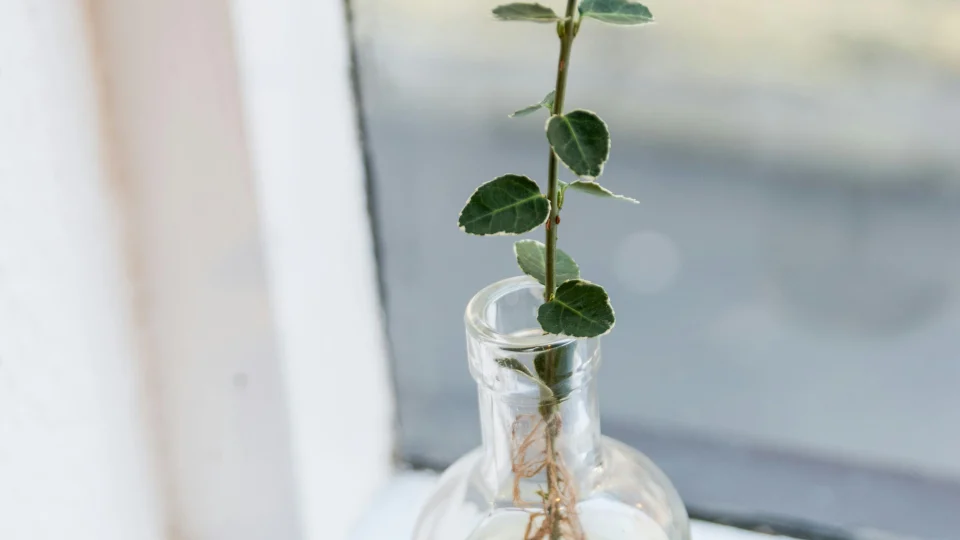
- Initial Rooting: Place the freshly cut sucker immediately into a container with 2-3 inches of water or moist, well-draining potting soil to prevent desiccation. Roots typically develop within 1-2 weeks under ambient room conditions, leveraging the plant’s natural auxins for rapid adventitious rooting.
- Implications for Yield: Successful propagation can lead to fruiting plants by mid-winter, potentially producing 5-10 tomatoes per plant in optimal setups, though output varies with variety and care. This method supports self-sufficiency, reducing household vegetable expenses by an estimated 10-20% during winter months for avid home growers.
Uncertainties in rooting success may arise from environmental variables, such as water quality or ambient humidity, but empirical trials suggest a 70-90% success rate with consistent monitoring.
Indoor Cultivation Requirements and Long-Term Viability
Once rooted, the young plant transitions to a permanent indoor setup, where environmental control is paramount for sustained productivity. Tomatoes demand high light intensity—equivalent to 12-16 hours daily—to mimic summer conditions, influencing photosynthesis rates and fruit set.
- Lighting and Placement: Position near south- or west-facing windows for natural sunlight, augmented by 100-watt or higher full-spectrum grow lights positioned 12-18 inches above the canopy. Insufficient light can result in leggy growth and reduced yields, with studies on indoor horticulture noting up to 50% lower fruit production without supplementation.
- Temperature and Nutrition: Maintain 50-90°F (10-32°C), avoiding drafts or heat sources that stress the plant. As heavy feeders, tomatoes require bi-weekly fertilization with a balanced, water-soluble formula (e.g., 10-10-10 NPK ratio) to support vegetative and reproductive phases; deficiencies manifest as yellowing leaves or blossom-end rot.
- Repotting and Transition: Use 5-7 gallon containers with drainage to accommodate root expansion. In spring, when outdoor temperatures stabilize above 50°F, acclimate the plant gradually over 7-10 days before replanting, potentially yielding a mature specimen by summer.
This technique’s broader implications include enhanced biodiversity in home gardens and reduced carbon footprints from imported produce. While no large-scale statistics track adoption rates, rising interest in indoor gardening—spurred by urban living trends—suggests increasing viability for such methods in temperate zones. Would you experiment with tomato cuttings to bridge the gap between fall and spring harvests in your own space?