Essential Factors Shaping Lawn Mower Selection in Modern Home Maintenance
As suburban homeowners across the U.S. prepare for spring upkeep, many find themselves standing in aisles lined with an array of lawn mowers—from compact manual push models to advanced robotic units—grappling with choices that extend beyond mere aesthetics to practical functionality and long-term well-being.
Budget Constraints and Market Options for Affordable Mowing Solutions
Lawn mower prices span a wide spectrum, influencing accessibility for households of varying income levels. Entry-level manual reel mowers start below $100, offering a low-cost alternative for basic maintenance, while high-end zero-turn riding models can exceed several thousand dollars, catering to expansive properties. In the mid-range, gas-powered push mowers priced between $350 and $500 provide reliable performance without excessive financial strain, according to industry benchmarks. This pricing variability reflects broader market trends in home care equipment, where economic pressures have driven a 15% increase in demand for budget-friendly electric and cordless options over the past year, as consumers seek to balance cost with efficiency amid rising energy expenses. For instance:
- Manual reel mowers suit tight budgets but require physical effort, potentially limiting their appeal in labor-scarce households.
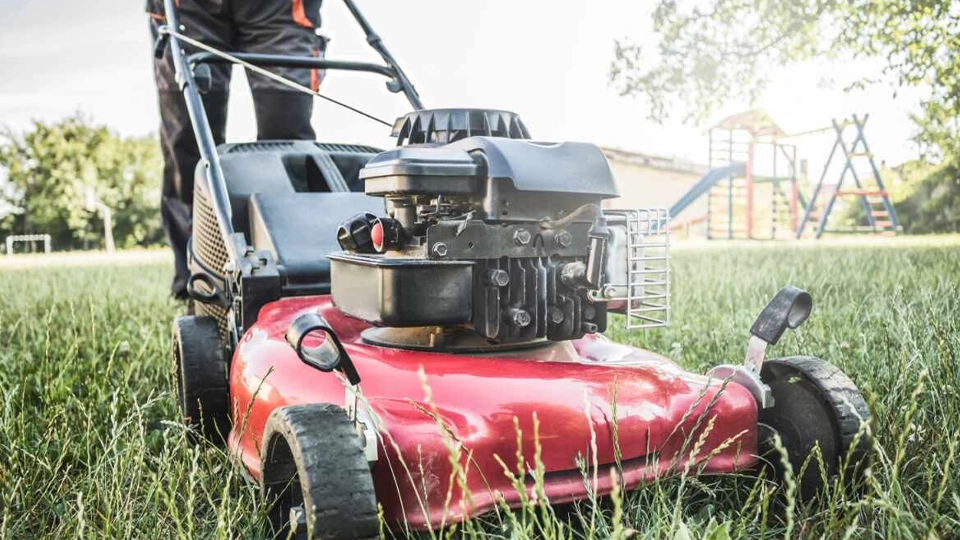
- Self-propelled gas or electric models in the $350–$500 bracket dominate sales for mid-sized yards, offering durability and ease of use.
- Premium riding mowers, often over $2,000, target larger estates but may represent overinvestment for urban or small-lot owners.
These options underscore the need for pre-purchase financial assessment, as mowers typically last 10 years, making initial outlays a long-term commitment. Uncertainties in fuel price fluctuations could further impact gas model viability, though electric variants show stable cost trends.
Yard Size and Deck Dimensions: Matching Equipment to Property Scale
Yard dimensions play a pivotal role in mower efficacy, with mismatches leading to inefficient mowing patterns and increased maintenance time. For lawns under a quarter-acre, walk-behind self-propelled mowers excel, covering areas efficiently without the bulk of larger units. Conversely, properties exceeding this threshold benefit from riding mowers, which reduce mowing duration by up to 50% on expansive terrains. Deck size, measuring the cutting width, further refines selection: compact models feature 14-inch decks ideal for small, maneuverable spaces with obstacles, while 60-inch decks on ride-ons optimize large, open yards. Analytical data indicates that improper sizing contributes to 20% of buyer dissatisfaction in home equipment surveys, highlighting the societal shift toward precise, property-tailored tools amid urban densification. Key considerations include:
- Small yards (under 0.25 acres): Prioritize push or reel mowers for agility around landscaping features.
- Medium yards (0.25–1 acre): Self-propelled walk-behinds with 20–22-inch decks for balanced coverage.
- Large yards (over 1 acre): Riding mowers with wider decks to minimize passes and fuel use.
This alignment not only enhances lawn health through even cuts but also supports environmental goals, as wider decks reduce emissions per session in gas models.
Health and Physical Limitations: Prioritizing User Well-Being in Equipment Choices
Personal health profiles increasingly inform mower decisions, as traditional push models demand significant exertion—potentially straining those with cardiovascular issues or mobility challenges during peak summer conditions. Riding mowers alleviate such burdens by minimizing physical input, though they may aggravate lower back conditions due to prolonged sitting. Emerging robotic mowers represent a growing segment, with market adoption rising 25% annually as they automate tasks akin to robotic vacuums, mulching clippings to enrich soil nutrients without user intervention. These devices, suitable for various yard sizes post-setup, address an aging homeowner demographic, where 30% report physical limitations in yard work. Implications extend to broader wellness trends:
- For heart or endurance concerns: Opt for riding or robotic models to avoid heat-related exhaustion.
- Back pain sufferers: Evaluate ergonomic push mowers or consult professionals for hybrid solutions.
- Future-oriented planning: Consider evolving health needs over the mower’s 10-year lifespan.
As robotic technology advances, it could democratize lawn care, reducing injury rates and promoting sustainable practices. In an era of evolving home maintenance demands, selecting a lawn mower attuned to budget, yard specifics, and health fosters not just manicured lawns but resilient lifestyles. What innovations in automated or eco-friendly mowing might further transform this essential chore in the coming years?