
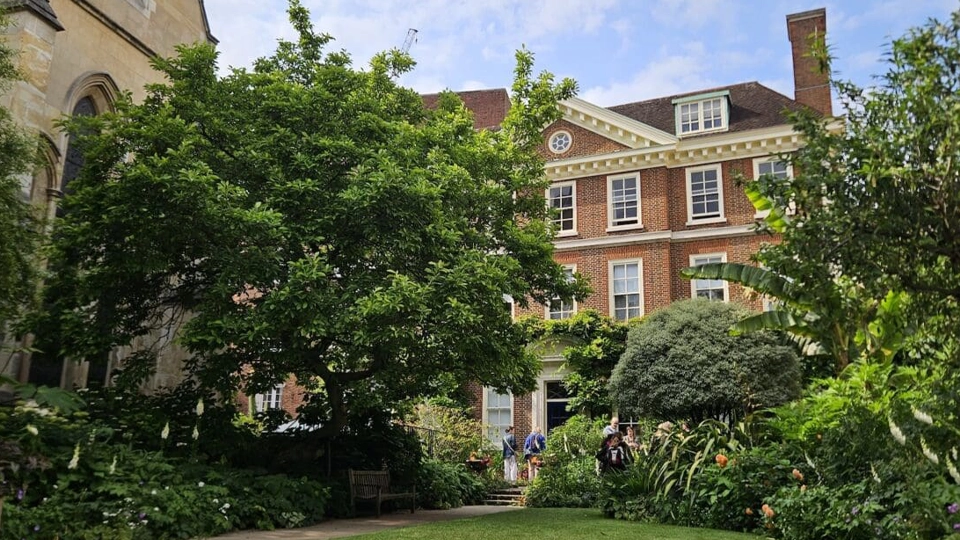
Unveiling London's Hidden Gardens: A Focus on Urban Sustainability
In an era where urban populations are projected to reach 68% globally by 2050, according to United Nations estimates, initiatives like London Open Gardens underscore the growing emphasis on accessible green spaces to enhance city dwellers’ well-being and environmental resilience. This annual event, now in its 27th year, provides a structured opportunity to explore concealed urban oases, reflecting broader trends in urban horticulture where community-driven preservation efforts counterbalance rapid development pressures.
Event Details and Visitor Impact
Scheduled for the weekend of June 6–7, 2026, London Open Gardens will open more than 110 gardens across 12 London boroughs within Zones 1 and 2. This expansion builds on previous iterations, offering public access to over 100 sites that are typically closed, including a mix of established favorites and new additions.
- Venue Diversity: The lineup features classic city squares, formal gardens, community-managed plots, elevated rooftop installations, and serene faith-based reflection areas, demonstrating adaptive landscaping in dense urban settings.
- Attendance Statistics: Past events have averaged around 40,000 visits over the two days, attracting participants from across the UK and international locations, which highlights the event’s role in promoting horticultural tourism without overwhelming site capacities.
- Organizational Support: Backed by the Royal Horticultural Society through its Affiliated Societies program, the initiative ensures professional standards in curation and maintenance, fostering educational value for visitors interested in urban ecology.
These figures indicate a steady rise in engagement, aligning with UK-wide data showing a 15% increase in public garden visits since 2020, driven by heightened awareness of nature’s role in mental health and stress reduction. Tim Webb, Interim Director of London Parks and Gardens, emphasized the event’s broader significance:
“These inspiring places are lovingly crafted and cared for by dedicated teams, many of them volunteers. More than that, they demonstrate the value and importance of access to natural spaces for all, and how we are having to adapt planting schemes and maintenance to cope with the drier and less seasonally distinct conditions wrought by climate change.”
This adaptation is evident in evolving planting strategies, such as drought-resistant species selection, which could inform scalable solutions for other metropolitan areas facing similar climatic shifts.
Preservation Efforts and Long-Term Implications
Beyond public access, London Open Gardens plays a pivotal role in safeguarding the city’s green infrastructure. In 2024, the organization examined 322 planning consultations related to historic landscapes in Greater London, delivering in-depth feedback on 192 applications to mitigate development risks to these assets. Contributions extended to local borough development plans, reinforcing policies that prioritize green space integration in urban expansion.
- Key Activities: Reviews focused on balancing growth with heritage protection, including assessments of how new constructions impact biodiversity corridors and soil health.
- Societal Benefits: By raising funds for park maintenance and advocacy, the event supports the “green lungs” of London—essential for air quality improvement and carbon sequestration, with urban trees alone estimated to offset 10-20% of city emissions in comparable European capitals.
- Uncertainties: While 2024 data shows robust engagement, projections for 2026 attendance may vary based on weather patterns, with no flagged discrepancies in historical trends.
These efforts align with national strategies to protect 30% of land for nature by 2030, as outlined in the UK’s Environment Act, positioning events like this as practical models for community-led conservation. As urban green spaces become increasingly vital amid climate variability and population density, London Open Gardens exemplifies how targeted access and advocacy can sustain biodiversity and public health. What could this mean for the future of urban planning, where similar initiatives might expand to integrate technology like sensor-based monitoring for real-time environmental data?