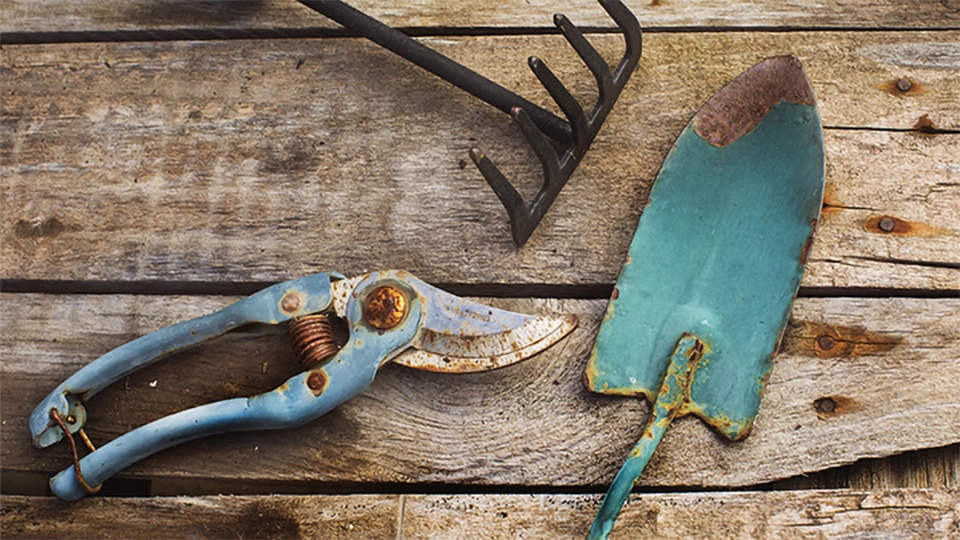
As winter approaches, many gardeners find themselves stowing away spades, hoes, and shears after a season of use, only to discover rust spots come spring. A longstanding publication, The Old Farmer’s Almanac, proposes a simple household solution to help maintain these essential tools through the cold months.
Preserving Garden Tools for Winter Storage
The Old Farmer’s Almanac, established in 1792 and now in its 234th year, recommends applying a thin layer of smooth peanut butter to metal garden tool surfaces as a protective measure against rust. This method aims to create a barrier that shields tools from moisture and corrosion during storage.
The Peanut Butter Application Process
Gardeners can use peanut butter not only for its culinary purposes but also for yard maintenance tasks, such as unsticking scissors or lubricating mower blades. For tool preservation specifically:
- Select smooth peanut butter to ensure even application; chunky varieties may create uneven, messy coatings.
- Spread a thin layer over all metal parts using a rag or towel to avoid excess residue.
- Note that while this hack is suggested by the almanac, no scientific studies confirm its effectiveness in preventing rust—its reliability remains anecdotal.
- Linseed oil, commonly used for wood and metal care.
- Vegetable oil from the kitchen.
- Commercial products like WD-40, which can restore older tools.
Alternatives to peanut butter include other oils for corrosion protection:
These options provide similar shielding without altering the tool’s appearance or attracting pests.
Essential Maintenance Before Storage
Beyond coating, proper preparation ensures tools remain functional and disease-free. The almanac and gardening experts emphasize cleaning and sharpening as key steps to extend tool life and prevent plant damage in the next season.
- Cleaning: Remove dirt, sap, and rust using a rust-removing block, wool pad, or wire brush. This process, similar to cleaning barbecue tools, prepares surfaces for protective coatings.
- Sanitizing: Wipe tools with rubbing alcohol to eliminate bacteria and fungi, which can spread diseases like infections through the garden if tools are not disinfected.
- Sharpening: Inspect cutting edges on shears and blades; dull tools tear plant stems rather than making clean cuts. Use a file to hone edges if needed, reducing effort required in spring.
For storage, place tools in a dry, low-humidity area such as a shed. Smaller items like gloves or hand tools can be kept in repurposed clean jars—such as an empty peanut butter container—to stay dry and protected from insects. This approach to tool care highlights practical, low-cost methods rooted in traditional knowledge. What could widespread adoption of such simple hacks mean for sustainable gardening practices and reducing waste from rusted equipment in the future?