Preservation of Heritage Through Horticultural Collaboration
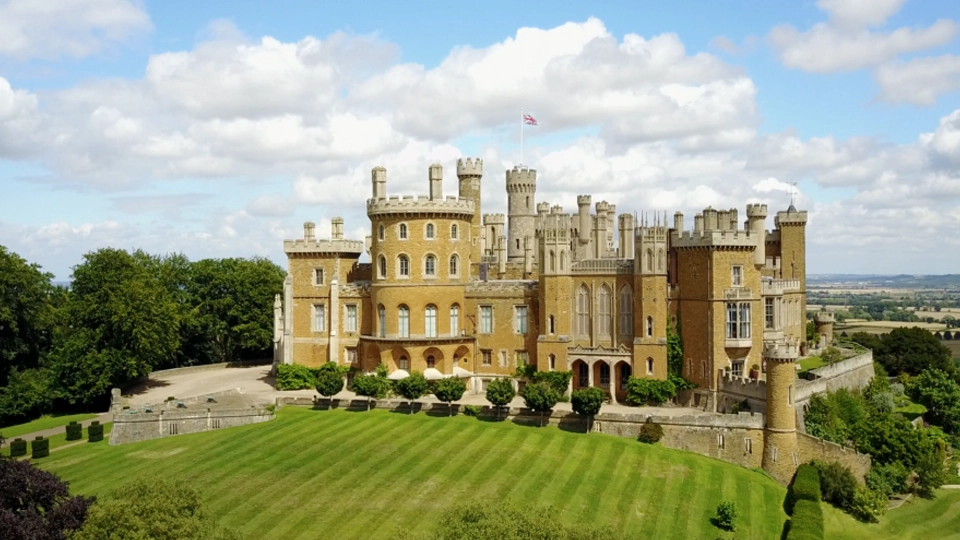
Belvoir Castle’s Rose Garden, featuring approximately 1,000 David Austin Roses, stands as a key element in the site’s Grade II listed grounds, drawing consistent visitor interest for its sensory appeal and historical significance. This Edwardian-era landscape, recently spotlighted during family events such as Lady Violet Manners’ wedding, underscores the role of targeted restorations in maintaining cultural assets amid evolving environmental pressures.
Restoration Guided by Archival Expertise
The renewed partnership between Belvoir Castle and David Austin Roses focuses on sustaining the garden’s original design, informed by historical records uncovered in the castle’s archives. These documents, attributed to garden designer Harold Peto, have directed efforts to reinstate geometric elements including an axial path, formal yew hedging, mature trees, and sculptures such as the ‘Winter’ piece by Caius Gabriel Cibber. Key aspects of the restoration include:
- Integration of resilient rose varieties emphasizing fragrance, form, and seasonal longevity, with blooms transitioning from early summer through autumn.
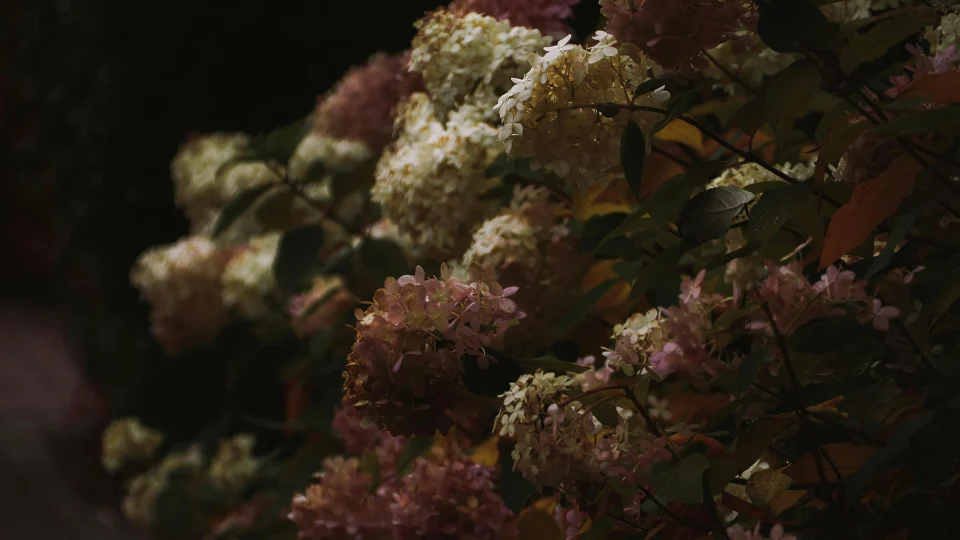
- A color palette dominated by blush, ivory, and pink tones, exemplified by varieties like Desdemona (pale shades) and Hyde Hall (pink hues).
- Complementary plantings of perennials and bulbs to enhance biodiversity and visual density.
Insights from Horticultural Leaders
Stakeholders emphasize the partnership’s value in blending historical fidelity with practical garden management. Andy Tudbury, head gardener at Belvoir Castle, noted the garden’s enduring popularity:
“The Rose Garden has always been incredibly popular, with visitors returning each year to wander within the walls to see and smell the magnificent roses. We’ve worked with David Austin for several years and have been impressed with their wealth of knowledge and variety of English roses. When looking for the right planting partners it was important for us to work with a team who would honour the garden’s history and help us create a unique experience for visitors of all ages to enjoy.”
Richard Stubbs, Senior Rose Consultant at David Austin, reflected on the project’s execution and outcomes:
“It was a huge privilege for me to be asked by the Duchess of Rutland to revamp the long-established rose garden at the castle. Despite many challenges along the way, including a very large tree falling on half of it, the result is a magnificent array of pink and white roses interspersed with complimentary perennials and bulbs. Under the stewardship of the vastly experienced head gardener Andy Tudbury, you can bathe in the beauty and fragrance from late spring to almost Christmas. I am sure it will give the family and the many visitors many years of pleasure to come.”
These efforts illustrate broader trends in UK horticulture, where collaborations between estates and specialist breeders support the conservation of over 2,500 historic gardens (per national heritage estimates). Such initiatives may influence regional trends toward sustainable, fragrance-focused plantings, fostering educational and touristic value without relying on intensive chemical inputs. Garden managers and enthusiasts might evaluate similar archival-driven restorations for their own sites to balance preservation with accessibility.