Unlocking Earlier Lawn Vitality Through Winter Dormant Seeding
Imagine stepping into your backyard in early spring, only to find your lawn emerging patchy and worn from the harsh winter freeze—a common frustration for homeowners across temperate regions. As climate patterns shift and seasonal extremes intensify, traditional spring overseeding often delays full recovery by weeks or months. However, dormant seeding during winter offers a proactive alternative, potentially accelerating grass establishment by up to a month compared to standard spring methods. This technique, rooted in leveraging cold stratification for seed viability, aligns with broader trends in sustainable lawn care amid rising environmental pressures.
Advantages of Dormant Seeding in Winter Conditions
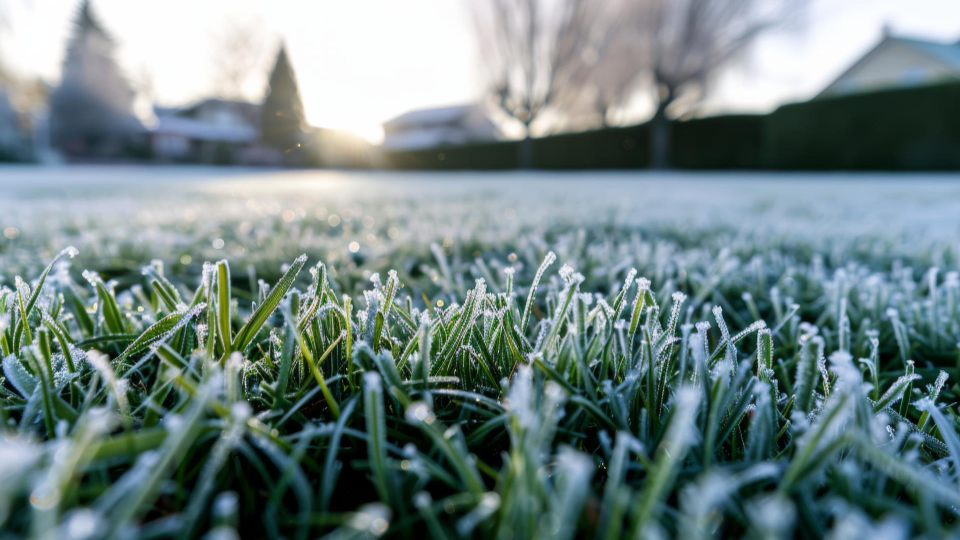
Dormant seeding involves applying grass seeds to an existing lawn when soil temperatures drop below 40 degrees Fahrenheit, typically from December through February in many U.S. zones. Unlike fall overseeding, which remains the optimal period for root development due to milder conditions, winter application capitalizes on the dormant phase to initiate subtle germination processes. Seeds exposed to cold during this time undergo natural stratification, enhancing their readiness to sprout as temperatures rise. Key benefits include:
- Accelerated Maturity Timeline: Germination can begin in late winter, with full establishment occurring 30 days earlier than spring-seeded lawns, reducing the window for weed invasion and erosion.
- Resource Efficiency: Homeowners Use off-season downtime, minimizing competition from active growth and allowing seeds to settle without immediate watering demands.
- Resilience to Seasonal Stress: In regions with variable winters, this method helps counteract damage from freeze-thaw cycles, potentially improving overall lawn density by 20-30% in the first year, based on general horticultural observations (exact outcomes vary by grass type and local climate).
While data on widespread adoption is limited, anecdotal evidence from gardening communities suggests increased interest as urban green spaces face greater scrutiny for water conservation and biodiversity. Uncertainties remain regarding success rates in extreme cold snaps below 20 degrees Fahrenheit, where seed viability may drop without protective snow cover.
"By seeding during dormancy, you're essentially priming your lawn for a head start, turning winter's inactivity into an opportunity for spring renewal," notes a lawn care specialist familiar with the practice.
Step-by-Step Implementation and Potential Challenges
Preparation is crucial, as autumn sets the stage for winter success. Homeowners should focus on soil amendment in the fall, including aeration to improve seed-to-soil contact and tilling to address compaction. These steps enhance nutrient uptake and reduce barriers to root penetration, aligning with recommendations for cool-season grasses like Kentucky bluegrass or fescues. Implementation during winter follows a structured approach:
- Timing and Application: Select a snow-free day when ground temperatures are consistently below 40 degrees Fahrenheit. Broadcast seeds evenly across the lawn using a spreader, aiming for rates of 5-10 pounds per 1,000 square feet depending on grass variety.
- Post-Seeding Care: Monitor for germination as temperatures climb above 40 degrees Fahrenheit in early spring. Maintain soil moisture through light watering if rainfall is insufficient, targeting 1 inch per week to support seedling development without runoff.
- Follow-Up Maintenance: Once seedlings reach 3 inches in height, introduce mowing at a high setting and apply a balanced fertilizer. Additional spot-seeding in spring may be necessary to compensate for losses from erosion, wildlife foraging, or unexpected thaws.
Challenges include variable weather patterns, which could lead to 10-20% seed loss in unprotected areas. In urban settings, this method supports reduced chemical use by promoting denser turf that naturally suppresses weeds, though it requires upfront investment in quality seeds and tools. Flag: Long-term studies on carbon sequestration benefits in dormant-seeded lawns are emerging but inconclusive. As homeowners increasingly prioritize low-maintenance, eco-friendly landscapes amid climate variability, dormant seeding could redefine winter yard care. What might this mean for the future of residential green spaces—stronger, more adaptive lawns that withstand intensifying seasonal shifts?