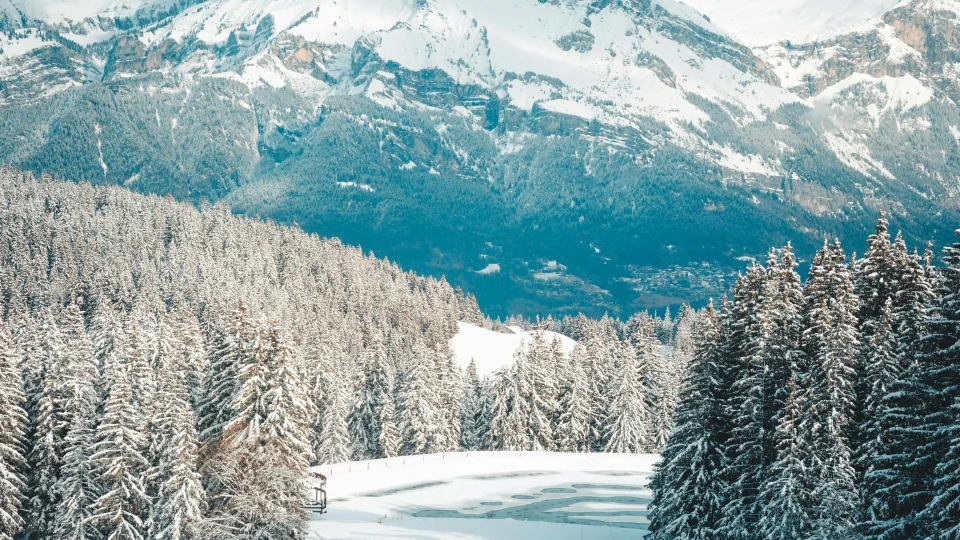
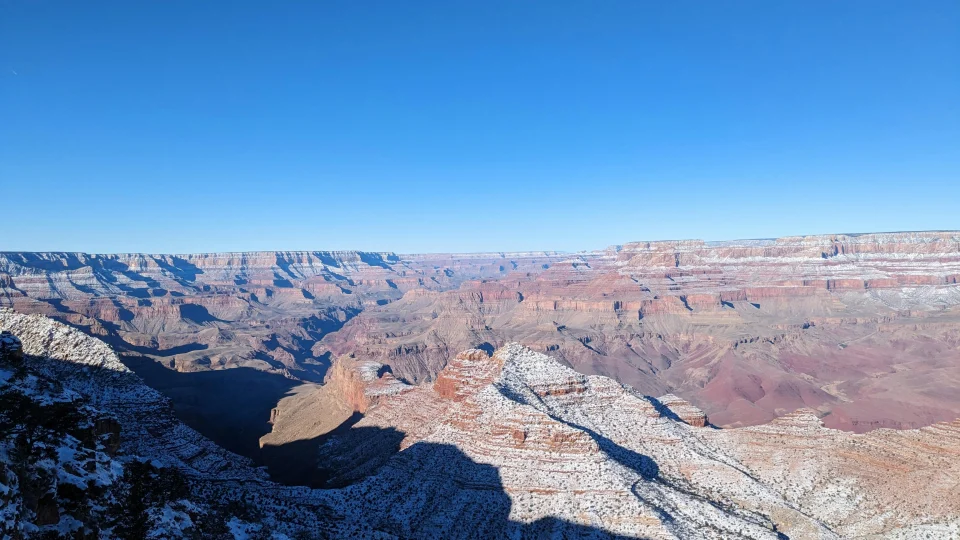
Imagine bundling up against an unexpected flurry in the sun-baked Southwest, where cacti stand sentinel under a rare white blanket, or watching as coastal gardens in the Carolinas transform into winter wonderlands far earlier than usual. For over 230 years, the Old Farmer’s Almanac has served as a trusted guide for gardeners, farmers, and everyday folks navigating the seasons, blending astronomical calculations with folklore to predict weather patterns. This venerable publication, first issued in 1792 by Robert B. Thomas, has evolved from a simple farmer’s companion into a cultural touchstone, offering not just planting tips but long-range forecasts that influence holiday plans and travel decisions. As the 2025-2026 winter approaches, its latest predictions paint a varied picture of snowfall across the United States, divided into 18 distinct regions, promising normal or slightly below-average totals nationally—but with notable exceptions that could reshape regional routines.
Regional Snowfall Outlook: From Southwest Surprises to New England Norms
The Almanac’s forecast, based on a blend of solar activity, tidal action, and historical trends, suggests a winter of moderation overall, with the U.S. experiencing typical snowfall amounts or even a tad less. Yet, certain areas buck this trend, potentially leading to heavier accumulations that test preparedness in unexpected locales. While the publication claims an average accuracy of 80%—rising to 86% for the previous winter’s predictions—these are long-range estimates, and actual conditions may vary due to short-term weather anomalies (uncertainty flagged: local microclimates and emerging climate patterns could alter outcomes by 10-20%).
Southwest and Southeast Set for Above-Average Snow
In a twist for arid landscapes, parts of the Southwest are slated for more snow than usual, challenging residents accustomed to mild winters. Cities like El Paso, Texas, and Phoenix, Arizona, could see flakes in December and January, turning desert drives into cautious slogs.
- Carolinas’ Coastal Surge: Expect elevated snowfall in the Carolinas, particularly along the coast, with late December and January bringing the bulk of the white stuff—ideal for a picturesque New Year’s but a hazard for unprotected gardens.
- Preparation Tips: Homeowners might need to invest in snow removal tools, from store-bought plows to DIY versions, to keep driveways clear and prevent ice buildup on walkways.
This regional uptick highlights the Almanac’s value in prompting early action, such as insulating pipes or shielding outdoor plants, to mitigate potential disruptions to daily life and agriculture.
"The Old Farmer's Almanac isn't perfect, but it provides an interesting potential look at the season ahead," notes the forecast's contextual overview, emphasizing its role as a planning aid rather than a guarantee.
Northern Heartlands and Beyond: Tempered Expectations Amid Tradition
Historically snowy strongholds in the North may find relief this season, with predictions leaning toward normal or subpar accumulations. The Great Lakes region, home to legendary blizzards, is forecasted to see typical levels—or possibly less—scattered from November through March in cities like Buffalo, New York, and Chicago, Illinois.
- Pacific Northwest Patterns: Snowfall here dips below average, with early February marking the peak intensity; Seattle and Portland residents might enjoy milder conditions overall.
- Alaska and New England: Even the Last Frontier anticipates lighter totals, while New England—think Boston’s storied nor’easters—braces for fewer flurries than the norm, though vigilance remains key with snow tires and shrub protections.
These forecasts echo the Almanac’s longstanding tradition of regional nuance, born from Thomas’s original formula that factored in everything from planetary positions to nut harvest yields. For communities reliant on winter tourism or seasonal farming, such insights could mean adjusted budgets for snow management or extended growing seasons in milder zones. As we peer into this winter’s crystal ball, the Old Farmer’s Almanac reminds us of nature’s unpredictability, urging proactive steps like community snow drills or eco-friendly de-icing. What could this mean for the future of seasonal forecasting in an era of shifting climates—will time-tested methods adapt, or yield to data-driven models? Only the coming months will tell.