As winter approaches, many home gardeners face the dilemma of limited fresh produce—could cultivating peas indoors offer a reliable solution for maintaining vegetable yields through the coldest seasons?
The Rise of Indoor Gardening for Cool-Season Crops
Indoor cultivation of peas represents a practical extension of home gardening practices, particularly as interest in self-sufficient food production grows. Peas, valued for their nutritional profile including high protein and fiber content, typically flourish in outdoor conditions during spring and fall. However, with average winter temperatures in many regions dropping below viable thresholds, shifting to indoor methods allows for continuous harvests. This approach aligns with broader trends in urban and suburban gardening, where space constraints and seasonal limitations drive innovation in controlled environments. Data from gardening surveys indicate that over 40% of U.S. households engage in some form of indoor plant growing, with vegetables like peas seeing increased adoption due to their relatively short growth cycles.
Optimal Conditions for Successful Indoor Pea Cultivation
Achieving viable indoor pea growth requires precise replication of natural conditions, focusing on temperature, light, and soil parameters to minimize failure rates.
- Temperature Management: Peas perform best in a range of 55 to 65 degrees Fahrenheit, conditions easily maintained in most indoor settings away from heating vents. Exposure to temperatures exceeding 85 degrees can stunt growth or reduce yields, while drops below 55 degrees signal the need for relocation or supplemental heating.
- Lighting Requirements: Full sun exposure, equivalent to 6-8 hours daily, is essential; artificial grow lights with a spectrum mimicking sunlight are recommended to compensate for reduced natural light in winter months. Studies on indoor horticulture suggest that LED grow lights can increase photosynthetic efficiency by up to 30% compared to standard bulbs.
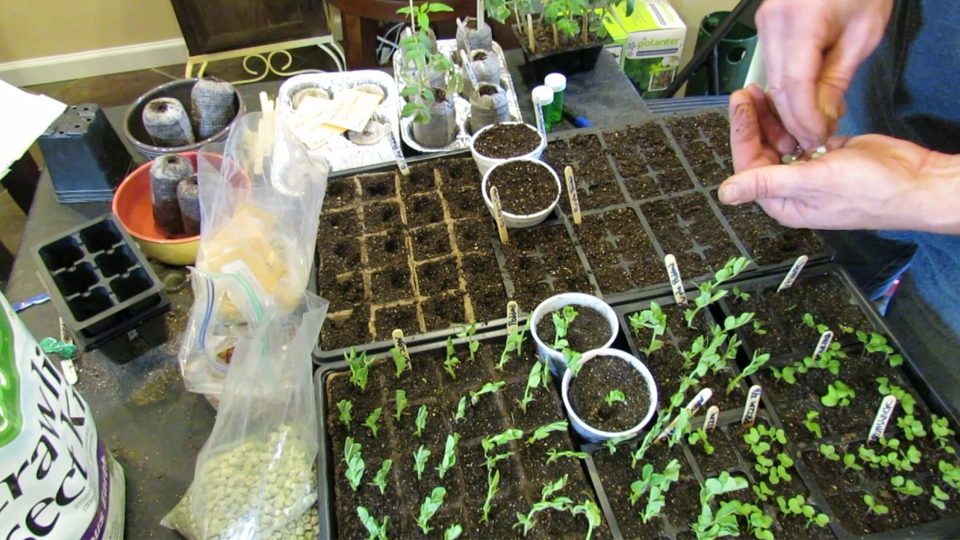
- Soil and Planting Techniques: Use a fertile, well-draining potting mix to prevent root rot, ensuring containers have drainage holes. Peas do not transplant well, so direct seeding is preferable. Soaking seeds overnight accelerates germination, potentially shortening the initial growth phase by 2-3 days.
These parameters underscore the feasibility of indoor setups, though variability in home environments may require adjustments; for instance, humidity levels above 60% could promote fungal issues if ventilation is inadequate.
Variety Selection and Harvest Implications
Choosing appropriate pea varieties is critical for indoor success, influencing space usage and productivity timelines.
Varieties Suited for Limited Spaces
Bush varieties, growing to 2-3 feet, are ideal for indoor constraints compared to taller vining types that may exceed 6 feet and require extensive support. Dwarf cultivars such as ‘Tom Thumb,’ reaching only 18 inches, further optimize small-scale growing.
- Maturity Patterns: Bush peas tend to produce pods all at once, enabling a concentrated harvest window, whereas vining types offer staggered yields over longer periods.
- Edible Components: Beyond pods, pea shoots provide an early, nutrient-dense harvest option, rich in vitamins A and C, adding versatility to indoor efforts.
Growth rates for peas average a 60-day cycle from planting to harvest, depending on the cultivar and conditions. This rapid turnaround supports multiple successions annually, potentially yielding 1-2 pounds of pods per plant under optimal care. Implications for home gardeners include enhanced food security and reduced reliance on store-bought produce, which has seen price fluctuations of 10-15% in recent winters due to supply chain disruptions. However, energy costs for lighting—estimated at $5-10 per month for a small setup—represent a key consideration for scalability. In summary, indoor pea growing democratizes access to fresh vegetables, promoting sustainability in personal food systems. How do you see this practice influencing your own gardening strategies for year-round nutrition?