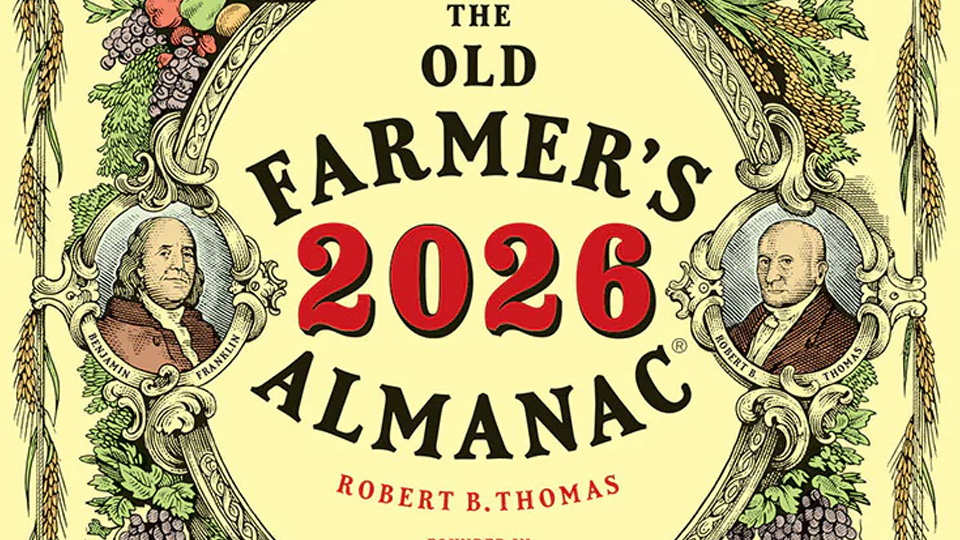
For over two centuries, the Old Farmer’s Almanac has served as a cornerstone for gardeners, offering detailed planting calendars that integrate frost dates, crop maturity periods, and even lunar cycles to optimize vegetable yields. Published annually since 1792, this resource continues to influence home gardening practices, helping users avoid common pitfalls like premature indoor seeding that leads to weak seedlings or delayed outdoor transplants that shorten harvest windows.
Integrating Traditional Tools into Contemporary Gardening Strategies
In an era where urban and suburban gardeners seek efficient, low-cost methods to maximize limited spaces, resources like the Old Farmer’s Almanac provide structured guidance that balances scientific basics with time-tested observations. By factoring in regional climate data, the almanac enables precise scheduling for seed starting and harvesting, potentially increasing productivity by aligning plantings with optimal growing conditions. This approach not only supports food self-sufficiency but also reduces waste from failed crops, aligning with broader trends in sustainable home agriculture.
Frost Dates and Crop Tolerance: Core Elements of Effective Planning
The almanac’s planting calendar emphasizes the critical role of average first and last frost dates, which vary significantly by location and directly impact transplant timelines. For instance, knowing the last frost date allows gardeners to time indoor seed starting 4-8 weeks prior for warm-season crops like tomatoes, preventing leggy growth from overly early starts or insufficient maturation from late ones.
- Direct Sowing Recommendations: Cool-season vegetables such as lettuce and peas can be sown outdoors as early as 2-4 weeks before the last frost, leveraging their frost-hardy nature to extend the growing season.
- Transplant Guidelines: Tender crops like peppers require protection until well after the last frost, with the almanac suggesting row covers or cloches to mitigate risks below 32°F (0°C).
- Fall Harvest Planning: The calendar includes “days to maturity” metrics, advising the latest safe planting date to ensure harvests before the first fall frost, which can differ by up to 60 days across U.S. zones.
This data-driven framework helps mitigate the 20-30% crop loss often reported in amateur gardens due to timing errors, promoting more reliable yields. However, users must cross-reference with local weather forecasts, as microclimates can shift these averages by 1-2 weeks— an uncertainty flagged in variable regions like the Pacific Northwest.
"While frost tolerance varies, hardy greens like kale can withstand light snow, allowing extended fall production without additional infrastructure," notes the almanac's guidance on seasonal adaptations.
Lunar Phases and Their Contested Role in Planting Decisions
Beyond empirical climate data, the Old Farmer’s Almanac incorporates moon phases—a practice rooted in 18th-century folklore that posits lunar gravity influences seed germination and root development. Proponents argue that planting above-ground crops during waxing moons and root vegetables during waning phases may enhance growth rates, though scientific studies, including those from agricultural extensions, find no verifiable correlation, attributing any benefits to coincidental alignment with seasonal light patterns.
- Waxing Moon for Foliage: Suggested for leafy greens to promote vigorous top growth, potentially aligning with increased moisture availability.
- Waning Moon for Roots: Recommended for carrots and potatoes, based on traditional beliefs in reduced sap flow aiding underground expansion.
- Adoption Rates: Surveys indicate about 15-20% of U.S. home gardeners incorporate lunar timing, often as a supplementary tool rather than a primary driver, reflecting its niche appeal in organic and biodynamic communities.
Despite lacking empirical backing—flagged here as a non-scientific element—these guidelines add a layer of cultural continuity, encouraging experimentation. For modern users, they underscore the value of personalized adjustments, with implications for integrating apps or journals to track outcomes against almanac predictions. As gardening evolves with climate variability and urban expansion, tools like the Old Farmer’s Almanac highlight the blend of tradition and precision that could shape resilient home food systems. What might this mean for the future of accessible, adaptive agriculture in an unpredictable environment?