Enhancing Garden Sustainability Through Strategic Planting
In recent years, the horticulture sector has seen a steady rise in demand for resilient perennial shrubs like hydrangeas, driven by homeowners seeking low-maintenance options for diverse garden environments, including shaded areas. This trend aligns with broader efforts to promote sustainable landscaping, where timely planting can improve plant establishment rates and reduce long-term resource use, such as water and fertilizers. According to established agricultural references, autumn emerges as the prime season for hydrangea planting, with late spring as a viable alternative, offering practical benefits for root development and overall plant health.
Reasons for Prioritizing Autumn and Spring Seasons
Hydrangeas, valued for their large blooms and adaptability to various soil and light conditions, benefit from planting during periods of moderate weather. Summer conditions, characterized by high temperatures and low rainfall, often impose stress on newly transplanted shrubs, potentially leading to reduced survival rates. In contrast, autumn and spring provide cooler air temperatures and increased precipitation, facilitating easier acclimation.
- Soil Temperature Dynamics: Autumn planting leverages warm soil persisting from summer, allowing roots to expand before dormancy sets in during winter. This can enhance nutrient uptake and establishment, with studies from cooperative extension services indicating up to 20-30% better root growth in fall-planted perennials compared to summer transplants (though exact figures may vary by region and climate).
- Moisture Availability: Frequent autumn rains support hydration without excessive evaporation, minimizing irrigation needs. Spring follows suit post-frost, enabling steady growth as temperatures rise.
- Frost Considerations: For autumn, planting should occur approximately two months before the first expected frost to allow settling. Spring requires waiting until after the last frost, typically in late April to May in temperate zones.
These timing recommendations are corroborated by multiple horticultural authorities, emphasizing dormancy cycles where plants are less actively growing aboveground but primed for root expansion below.
Practical Implications for Gardeners and Market Trends
Adopting these seasonal guidelines can influence garden planning and contribute to market dynamics in the nursery industry. With hydrangeas comprising a significant portion of shrub sales—estimated at 15-20% of perennial offerings in U.S. garden centers—optimal planting advice helps mitigate common failures like transplant shock, potentially lowering replacement costs for consumers by 10-15% annually.
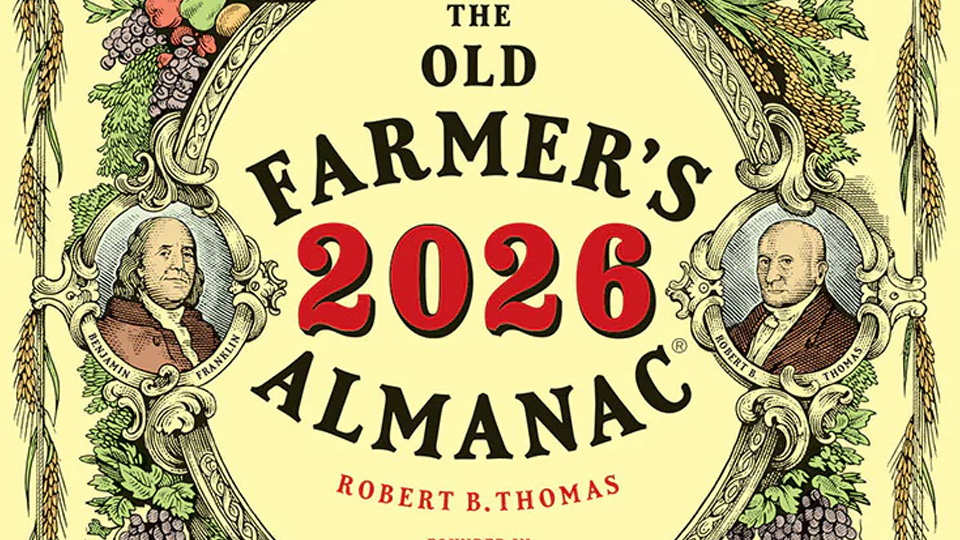
"Autumn is generally the best time for planting perennials like hydrangeas because the soil temperatures are still warm, even as the air gets cooler," notes guidance from a 234-year-old agricultural almanac, highlighting the value of historical data in modern practices.
Uncertainties arise in microclimates; for instance, in regions with erratic frost patterns, local variations could shift ideal windows by 1-2 weeks, underscoring the need for region-specific frost date consultations.
- Variety-Specific Adaptations: Different hydrangea types, such as bigleaf (Hydrangea macrophylla) for acidic soils or panicle (Hydrangea paniculata) for sunnier spots, may respond slightly differently, but general seasonal rules apply across varieties.
- Availability and Sourcing: While spring offers wider selections at retail outlets, autumn inventories remain robust, including online options, supporting year-round planning without compromising quality.
- Long-Term Benefits: Healthier establishments from timely planting reduce pesticide use and enhance biodiversity in home landscapes, aligning with sustainability goals amid rising environmental concerns.
This approach not only boosts individual garden yields but also supports industry trends toward resilient, climate-adaptive planting. How do you see these planting strategies influencing your own gardening practices or local horticultural trends?