
Bracing for the Bite: How Age-Old Forecasts Shape Modern Gardening
In an era dominated by satellite imagery and AI-driven models, the enduring appeal of the Old Farmer’s Almanac reminds us of weather forecasting’s deep roots in American history. First published in 1792 by Robert B. Thomas, this annual guide has long blended astronomy, folklore, and empirical observation to predict seasonal shifts, influencing farmers, gardeners, and communities for over two centuries. As climate patterns grow more unpredictable, its long-range outlooks—derived from solar cycles, tidal action, and historical data—continue to spark debate among meteorologists while offering practical wisdom for those tending the land. This winter, the almanac’s latest predictions highlight a stark contrast: while much of the U.S. braces for milder conditions, select regions face colder-than-usual temperatures and heavier snow, potentially disrupting gardens in unexpected ways.
Southern Surprises: Colder Snaps in the Carolinas and Southeast
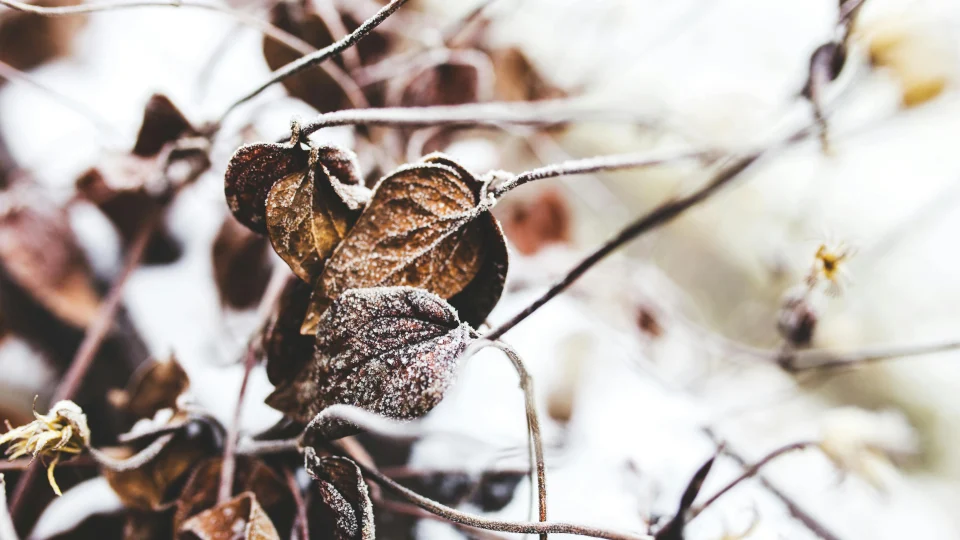
Picture a mild December morning in Raleigh, North Carolina, where gardeners typically coax camellias and azaleas through the season with minimal fuss. But according to longstanding forecast traditions, this year could bring a rude awakening. The almanac anticipates temperatures dipping below normal across the Carolinas and the broader Southeast, with heavy snowfall blanketing cities like Atlanta, Savannah, Columbia, and Raleigh from December through January. These outbreaks aren’t just a fleeting chill; they could lead to soil freezes that threaten perennials unaccustomed to such rigor.
Historical precedents abound—recall the 2010 snowstorm that paralyzed Atlanta with over 2 feet of accumulation, a rare event that echoed the almanac’s occasional accuracy in pinpointing anomalies. While skeptics question the precision of these solar-based predictions (noting their hit rate hovers around 80% in verified studies, though exact methodologies remain proprietary), the societal ripple effects are real: disrupted harvests, higher heating costs, and vulnerable ecosystems. Gardeners in these zones might recall tales from elders about “blackberry winters,” those untimely frosts that test resilience. To mitigate risks:
- Apply a thick layer of mulch around tender perennials to insulate roots against fluctuating soil temperatures.
- Deploy frost covers over foliage to shield against ice buildup, ensuring they’re breathable to avoid moisture traps.
- Monitor forecasts closely, as sudden drops could harm even hardy natives like dogwoods.
“Extra prep now may help them survive sudden freezing spells,” advises one gardening expert, emphasizing proactive measures over reaction.
Ohio Valley Under Snow: Preparing for Prolonged Cold
Further north, the Ohio Valley—encompassing Cincinnati, Pittsburgh, and Louisville—faces its own trial by ice, with the almanac forecasting lower-than-usual temperatures and elevated precipitation, particularly snow, from late December into February. Imagine Pittsburgh’s steep hills transformed into a slippery maze, where what starts as a light dusting escalates into blizzards that bury less hardy plants. This region’s industrial heritage, tied to rivers that freeze and halt commerce, underscores the broader societal impact: potential delays in urban agriculture initiatives and strained municipal services. The almanac’s track record here draws from patterns observed since the 19th century, when such predictions guided steamboat schedules and crop rotations. Uncertainties persist—modern climate models sometimes diverge, flagging a 20-30% variability in long-term snow totals—but the advice remains timeless. For gardeners, this means safeguarding against the dual threats of cold and accumulation. Key protective steps include:
- Covering or relocating vulnerable plants before storms hit, prioritizing those in exposed beds.
- Insulating garden structures like cold frames to maintain microclimates for overwintering herbs.
- Assessing plant hardiness zones (typically 6-7 in this area) to identify at-risk species, such as certain fruit trees.
Florida’s Frost Fright: Tropical Defenses Against the Chill
Even sun-soaked Florida isn’t immune, with northern areas—falling into USDA Zone 9—potentially seeing mercury plunge into the 20s, colder than the norm. Envision palm fronds heavy with rare frost in Jacksonville, a scene more akin to folklore than forecast. The almanac’s outlook suggests these dips could stress tropical staples, forcing Floridians to rethink their laissez-faire approach to winter gardening. Historically, events like the 1894-95 freeze devastated citrus groves, reshaping the state’s economy and prompting innovations in protective horticulture. While the almanac’s accuracy for subtropical zones is debated (with some analyses showing lower reliability due to oceanic influences), the implications for local flora are clear: unprotected exotics could suffer leaf scorch or root damage. Society-wide, this might boost demand for frost fabrics and indoor alternatives, highlighting gardening’s adaptive evolution amid shifting baselines. Practical safeguards for these warmer climes:
- Wrap palm centers in breathable cloth like burlap, avoiding plastic that could cause overheating in sunlight.
- Shift potted delicacies to garages or greenhouses, maintaining humidity to prevent shock.
- Take cuttings from perennials as “insurance,” rooting them indoors for replanting come spring.