Preparing Home Gardens for Heavy Snow: Insights from Recent Forecasts
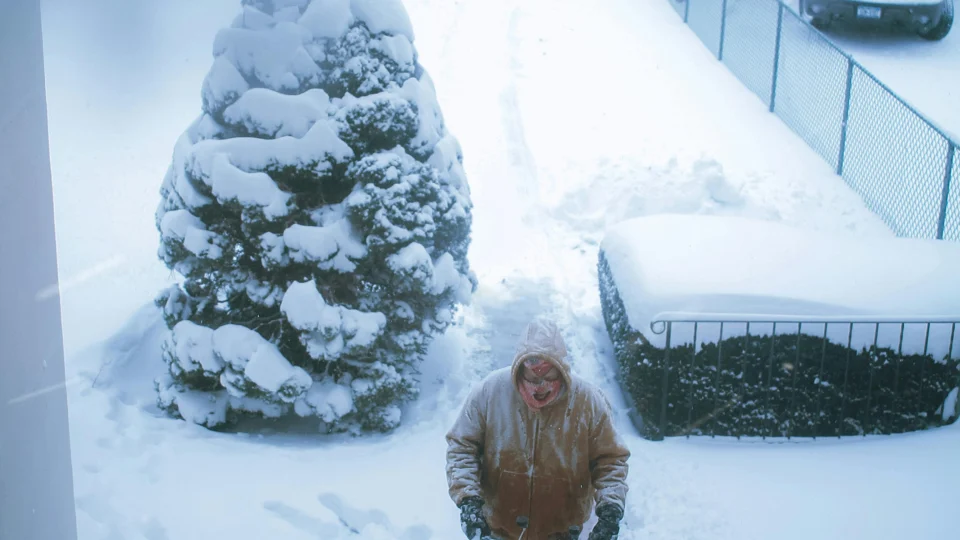
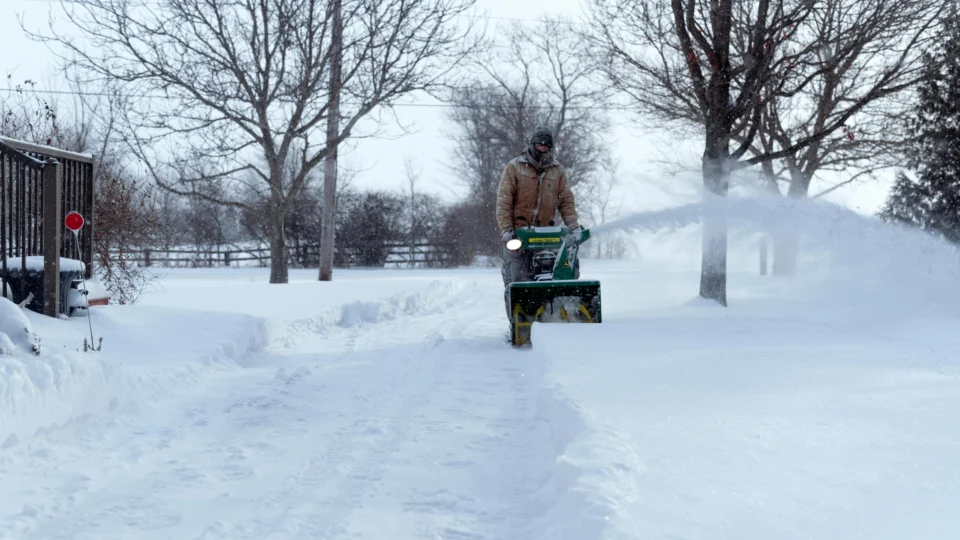
As climate patterns shift, regions across the United States are experiencing more variable winter weather, with increased snowfall predicted in areas like the eastern Ohio Valley and the Carolinas this season. According to longstanding forecasts such as those from the Old Farmer’s Almanac, these areas could see above-average precipitation, heightening the risk of snow-related damage to home gardens. While snow can insulate roots from extreme cold, its weight—ranging from 4 pounds per square foot for light, fluffy varieties to 12 pounds per square foot for wet, heavy accumulations—poses threats like branch breakage and soil erosion upon melting. This trend underscores the growing importance of proactive garden care, with implications for plant health, soil stability, and long-term landscape resilience in an era of unpredictable storms.
Mulching and Soil Protection Measures
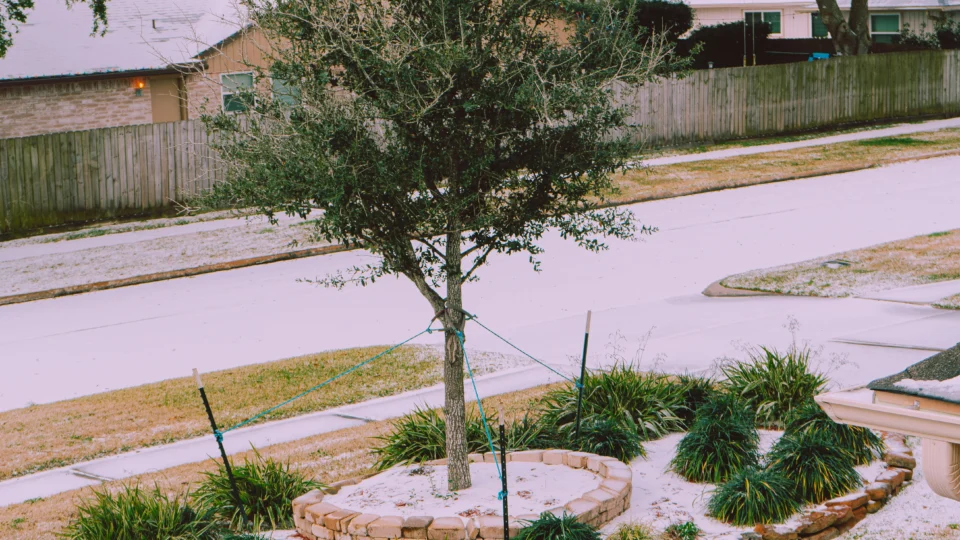
Mulching emerges as a foundational strategy to mitigate snow’s dual impacts: erosion during thaws and temperature fluctuations that stress perennials. A 3-inch layer of organic materials, such as shredded leaves, straw, or wood chips, anchors soil against runoff and moderates ground temperatures, preserving moisture that snow alone cannot provide until it melts. Key benefits include:
- Reduced erosion risk: Snowmelt can displace nutrient-rich topsoil, particularly on slopes; mulch acts as a barrier, maintaining bed integrity.
- Temperature regulation: It buffers against freeze-thaw cycles, which can heave roots and damage hardy plants.
- Moisture conservation: In dry winters, this helps sustain plants, as frozen ground limits water uptake.
Experts note that applying mulch around tender perennials before storms is critical, potentially lowering winter die-off rates by stabilizing microclimates. However, over-mulching beyond 4 inches may trap excess moisture, fostering rot—uncertainty exists on optimal depths for specific soil types in varying regions.
Shielding Shrubs and Trimming for Structural Integrity
Vulnerable evergreens like boxwoods, yews, and arborvitaes face heightened breakage from snow loads, especially those with upright branches. Protective coverings and preemptive pruning address these vulnerabilities, with data indicating that unmitigated heavy snow can increase limb failure by up to 50% in susceptible species. Recommended techniques encompass:
- Burlap or fabric wraps: Enclosing entire shrubs allows breathability and light penetration, unlike impermeable plastics; alternatives like bedsheets suffice for minor storms.
- Branch lashing: Using bungee cords or flexible ties prevents spreading under weight, distributing loads more evenly.
- Caging for roses and similar plants: Construct cylinders from chicken wire or hardware cloth, filled with insulating mulch or leaves, topped with coverings to create a thermal barrier.
For trees, trimming dead branches prior to snowfall is advised, verified via the “scratch test” (green cambium indicates vitality). Live pruning should be avoided to prevent cold susceptibility. Homeowners near sloped roofs must prioritize plants below eaves, where sliding snow amplifies damage—supplemental shelters like overturned pots offer basic protection.
"Heavy snow is more likely to break weak or dead branches," notes guidance from horticultural practices, emphasizing the need for targeted maintenance.
Additionally, late-fall deep watering ensures hydration before freezes, countering desiccating winds that exacerbate snow stress. In light of these strategies, gardeners in snow-prone areas stand to preserve biodiversity and reduce replacement costs, which can average hundreds of dollars per damaged shrub. Would you implement these protective measures in your own garden to bolster winter resilience?