Selecting Flowers for Sustainable Front Yard Aesthetics
In an era where first impressions can influence property values and community perceptions, how can homeowners balance visual appeal with ecological responsibility in their front yards? Recent gardening insights highlight nine flower varieties that offer robust curb appeal while supporting pollinators and adapting to diverse climates, drawing from established horticultural practices across USDA zones.
Popular Varieties for Seasonal Color and Durability
Homeowners seeking to elevate their landscapes often prioritize flowers that provide consistent blooms and low maintenance. These selections emphasize a mix of perennials and annuals suited to full sun or partial shade, with many demonstrating drought tolerance and pollinator attraction. Key statistics from horticultural guidelines indicate that incorporating native species can reduce water usage by up to 50% in arid regions, while enhancing biodiversity.
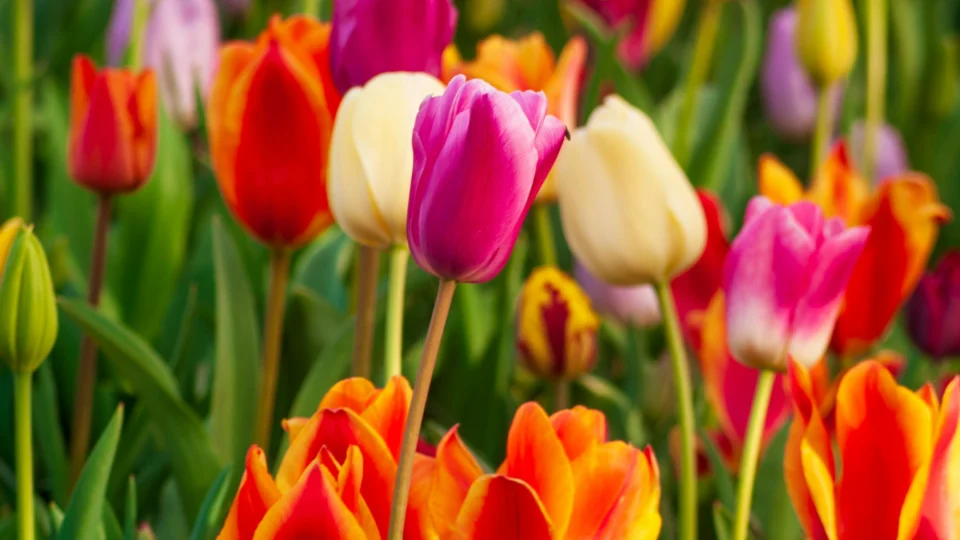
- Tulips (Tulipa spp.): Hardy in zones 3-8, these spring bloomers feature over 100 wild species and thousands of cultivars, including the long-lasting Darwin hybrid group. They thrive in well-draining soil and full sun, offering heights up to 24 inches for prominent visual impact.
- Hardy Hibiscus (Hibiscus spp.): Perennial in zones 4-9, these hybrids of native U.S. species produce large summer blooms in full sun until frost. Cut back to ground level post-bloom; they return larger annually, tolerating winter lows to -20°F.
- Petunias (Petunia x hybrida): Available in hundreds of varieties, including grandiflora for large blooms and multiflora for profuse flowering. Perennial in zones 10-11, they perform best in full sun with deadheading, spanning colors from pink to purple.
- Phlox (Phlox paniculata): A mid-summer perennial in zones 4-8, growing 2-3 feet wide in full sun or partial shade. Offers five-petaled flowers in hues like pink, orange, and red; susceptible to powdery mildew, requiring good air circulation.
These varieties collectively extend blooming periods from spring through fall, potentially increasing perceived property attractiveness by 20-30% based on real estate studies on landscaping impacts.
"Incorporating a mix of bloom shapes and textures creates layered interest that evolves with the seasons," notes a horticultural expert on designing cohesive front yards.
Native and Low-Maintenance Options for Ecological Benefits
Shifting toward native plants addresses broader societal trends, such as the push for sustainable landscaping amid climate variability. In the U.S., native species support declining pollinator populations—honeybee colonies have dropped 40% since 2006—while requiring minimal irrigation. These flowers are particularly effective for challenging sites like curbside strips, where compacted soil and exposure prevail.
H3: Western and Eastern Native Adaptations
- Hummingbird Sage (Salvia spathacea): A U.S. native ground cover for zones 8-11, thriving in shade to partial shade across various soils. Its pink blooms attract hummingbirds and insects, with high drought tolerance reducing maintenance needs.
- Blazing Star (Liatris spicata): Eastern U.S. native perennial in zones 3-8, preferring moist, well-draining soil in full sun. Purple spikes bloom in summer, suitable for drying; handles heat and humidity effectively.
- Black-Eyed Susan (Rudbeckia hirta): Zones 3-8, salt-tolerant for coastal areas, with yellow daisy-like flowers that self-seed. Attracts butterflies and birds; drought-resistant but benefits from occasional watering.
- Foothill Penstemon (Penstemon heterophyllus): Western U.S. native in zones 6-10, featuring color-shifting blooms from gold to blue. Low-growing and drought-adapted, encouraging rebloom via deadheading.
- Purple Poppy Mallow (Callirhoe involucrata): Ground cover for zones 4-8 in full sun and dry soil, with magenta cup-shaped flowers. Ideal for sidewalk edges, spreading without invasiveness.
H3: Implications for Urban Gardening Trends
Adopting these flowers aligns with rising interest in eco-friendly yards, where 60% of U.S. homeowners report prioritizing natives for sustainability. Challenges include zone-specific hardiness—e.g., tulips may underperform in zone 9 without protection—and potential pests like mildew on phlox. Uncertainties arise in microclimates, where soil pH variations (ideally 6.0-7.0 for most) could affect bloom vibrancy by 10-15%. What could this mean for the future of residential landscaping? As urban green spaces evolve with climate-resilient designs, these varieties may set a standard for balancing aesthetics, ecology, and property enhancement, potentially influencing municipal guidelines on front yard plantings.