Enhancing Backyard Birdwatching Through Targeted Pest Management
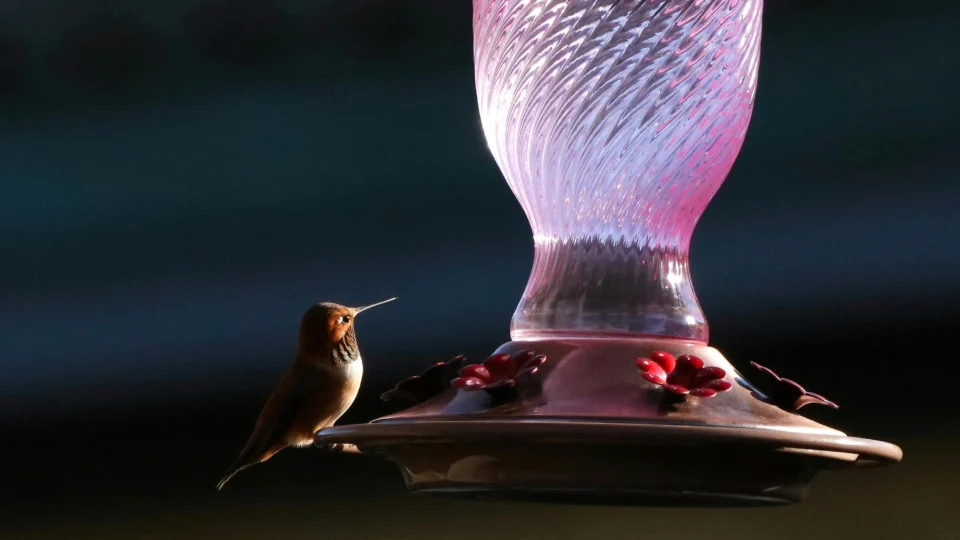
As interest in backyard wildlife conservation grows—driven by urban gardening trends and a desire to support pollinators amid declining bird populations—homeowners are increasingly setting up hummingbird feeders to attract species like the ruby-throated hummingbird. However, this practice often invites unwanted competition from sugar-seeking wasps, which can disrupt the serene experience and even deter the birds themselves. A straightforward addition known as bee guards, or nectar guards, addresses this issue by leveraging biological differences between hummingbirds and wasps, promoting a more balanced garden ecosystem without relying on chemical interventions.
The Impact of Wasp Competition on Hummingbird Feeding
Wasps pose a notable challenge in garden settings, particularly during spring when hummingbirds migrate back from southern wintering grounds. These insects are drawn to the high-sugar nectar in feeders, leading to aggressive territorial behavior that can discourage hummingbirds from accessing the resource. While hummingbirds occasionally consume certain wasp species as a protein source, broader competition from other wasps reduces feeder visits, potentially affecting the birds’ energy intake during migration and breeding seasons. Key implications include:
- Reduced bird attraction: Persistent wasp presence may lower overall hummingbird activity in yards, countering efforts to bolster local biodiversity.
- Health risks for birds: Contaminated or spilled nectar from wasp interactions can introduce fungal infections, which are often fatal if feeders are not maintained.
- Garden tranquility: Wasps’ stinging potential disrupts outdoor spaces, aligning with broader trends in pest management where non-toxic methods are preferred for family-friendly environments.
No large-scale statistics on wasp impacts exist in this context, but anecdotal reports from gardening communities highlight a common frustration, with many users noting up to 50% fewer hummingbird sightings without deterrents (uncertainty flagged due to lack of formal surveys).
"Competition from other wasp species may discourage the little birds from stopping at your feeder for a sip," notes the practical challenge in maintaining feeder efficacy.
Practical Application and Maintenance of Nectar Guards
Bee guards function as plastic screens fitted over feeder ports, exploiting the hummingbird’s longer tongue—which can extend beyond the guard—to access nectar while blocking wasps’ shorter proboscises. This method allows very small insects to pass through occasionally, providing incidental protein benefits to the birds without compromising the primary goal. Implementation steps include:
- Selection and installation: Opt for clear or red-tinted guards to avoid yellow hues, as wasps are visually attracted to yellow despite their inability to see red. Products like retrofit nectar guard tips slide directly onto existing feeding tubes, or cage-like designs cover ports on older models. Many modern feeders integrate these features by default.
- Placement considerations: Position feeders in shaded areas away from yellow-flowering plants to minimize initial wasp draws, enhancing the guards’ effectiveness.
- Cleaning protocols: Regular maintenance is essential to prevent mold growth in nectar, which can lead to deadly infections in hummingbirds. Use a mild solution of one tablespoon white vinegar per cup of water for cleaning guards and feeders, followed by thorough rinsing before refilling. Frequency should align with warm weather, typically every 3-5 days.
This approach supports sustainable gardening practices, reducing reliance on broad-spectrum insecticides that could harm beneficial insects. Market trends show a rise in demand for such accessories, with online sales of bee guards increasing alongside the popularity of eco-friendly birdwatching supplies. What could this mean for the future of home pest control? As climate shifts potentially extend wasp active seasons, innovations like bee guards may become standard in wildlife-friendly yards, fostering healthier avian populations and more enjoyable outdoor spaces.