Vinyl records have seen a notable resurgence in popularity over the past few years, leading many collectors to accumulate scratched or outdated albums that no longer play effectively.
Innovative DIY Approach to Garden Landscaping
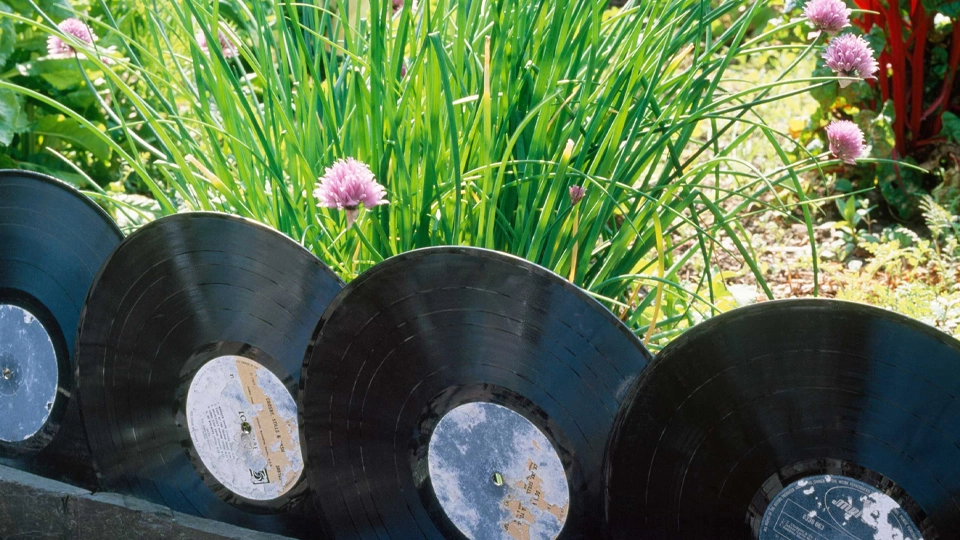
Garden edging serves a practical purpose in landscaping by dividing flower beds and creating a more organized appearance. Common materials for edging include plastic, metal, wood, and brick, each offering varying levels of durability. Repurposing old vinyl records provides a low-cost alternative, utilizing recycled plastic from the records themselves. However, this method has limitations: the plastic in vinyl records can deteriorate under prolonged sun exposure, potentially lasting only several years before needing replacement or repair. This technique draws from a simple online demonstration, emphasizing its accessibility for home gardeners. It highlights how edging can emphasize specific garden features, such as accentuating certain flowers or separating themed areas like moon gardens and pollinator gardens. As one of the more economical options when using recycled materials, it avoids the expense of purchasing new edging from hardware stores.
Step-by-Step Installation Process
To implement vinyl record edging, gardeners begin by measuring the garden bed to determine the required number of records. Traditional vinyl sizes include 7-inch, 10-inch, and 12-inch diameters, allowing for uniform or varied designs based on preference.
- Select records of consistent size for a streamlined look, or mix sizes for an eclectic border.
- Dig shallow trenches along the bed’s perimeter, burying each record approximately halfway into the soil to form a wavy, half-circle pattern.
- Compact the soil firmly around the records on both sides to prevent shifting from wind or rain; loose soil can lead to instability.
- For added support, install a backing of wooden or metal railing behind the records.
Extra records, including broken ones, should be retained for maintenance. After winter cold spells, soil freezing and thawing can cause heaving, displacing the edging. Affected records can be removed and replanted easily to restore the border.
Benefits and Practical Considerations
This repurposing method aligns with broader trends in sustainable gardening by reducing waste from obsolete media. It requires minimal tools—a shovel and tape measure—making it suitable for DIY enthusiasts.
"Bury the records about halfway in the soil, lining them up so they create a wavy edge around the flower bed," notes the demonstration's creator.
While effective for short-term use, the edging’s longevity may vary based on local climate; uncertainties remain regarding exact degradation rates in different environments. Gardeners in sunnier regions might observe faster wear. As upcycling practices gain traction, this approach could inspire further innovations in eco-conscious landscaping, prompting questions about how everyday discarded items might shape more sustainable home gardens in the future.