Efficient Strategies for Snow Removal in Residential Settings
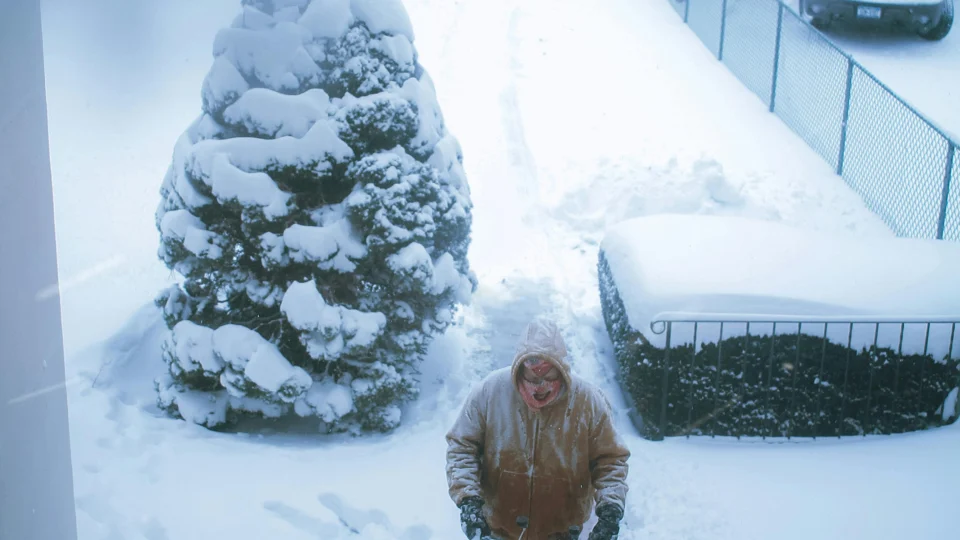
As winter storms intensify across North American regions, homeowners often face the challenge of clearing driveways and sidewalks without compromising their landscapes. Imagine starting a cold morning with a fresh snowfall only to realize your snow blower has piled debris near delicate evergreens, risking long-term damage— a scenario that underscores the need for deliberate planning in snow management.
Protecting Landscapes from Snow Blower Debris
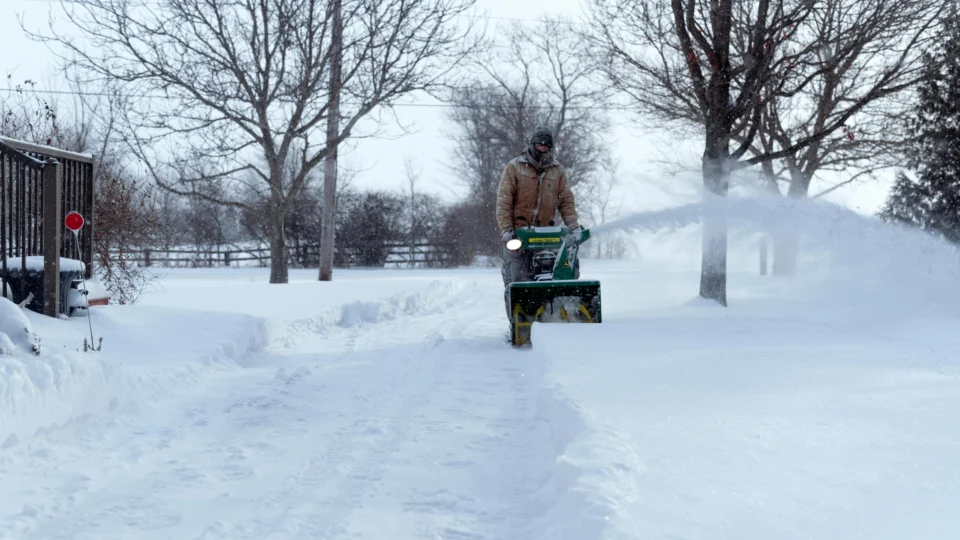
Snow blowers, essential tools for handling winter accumulations, can inadvertently harm yards if not operated with care. These machines intake materials like salt, gravel, and ice along with snow, propelling them significant distances. Single-stage models, typically equipped with plastic or metal augers, can hurl such debris up to 20 feet, while two-stage variants extend this reach to approximately 40 feet. This capability necessitates directing the discharge chute away from sensitive areas to prevent structural or vegetative damage. Key considerations include:
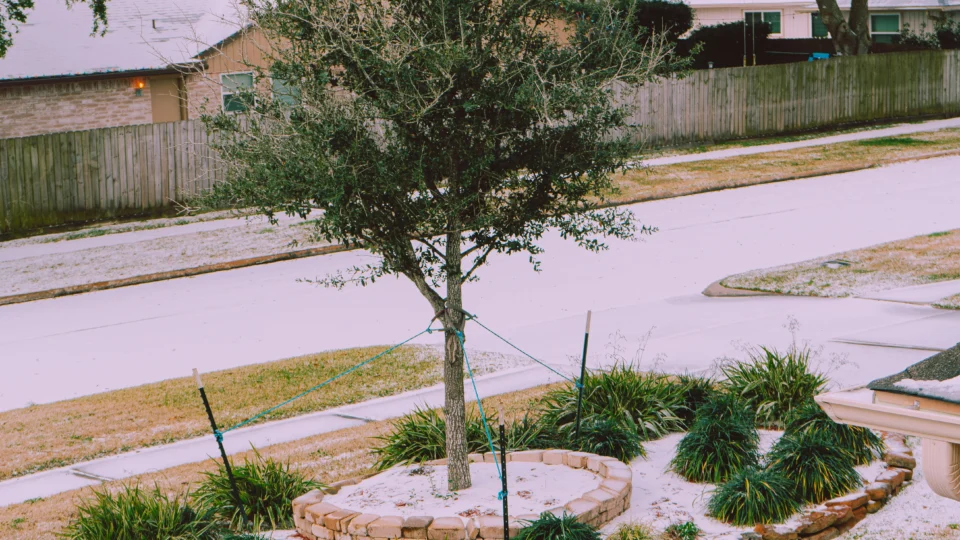
- Avoiding aim toward trees, shrubs, vehicles, buildings, or roadways to minimize risks of singed needles on evergreens or stunted growth in grass and deciduous plants due to excess salt exposure.
- Selecting discharge sides of driveways or sidewalks free from landscaping elements, which helps preserve soil health and reduces spring recovery efforts.
- Pre-clearing branches or obstacles to avoid machine jams, ensuring smoother operation.
Such practices not only protect biodiversity in residential yards but also mitigate potential repair costs, with salt-related plant damage contributing to broader environmental concerns like soil salinization in urban areas.
Operational Limits and Best Practices for Efficiency
Understanding a snow blower’s capacity is crucial for effective use, particularly as storm intensities vary. Single-stage units are generally suited for accumulations up to 6 inches, whereas two-stage models handle 10 to 16 inches more reliably. Exceeding these thresholds can lead to clogs or reduced performance, extending exposure to harsh weather. To optimize removal:
- Mimic lawn mowing patterns by proceeding in straight rows, turning at ends, and adjusting the chute direction after each pass to maintain consistent snow piling.
- Initiate clearing from the side opposite the desired pile location, working backward to consolidate snow efficiently on one flank.
- Overlap passes in heavy snow to enhance thoroughness, and maintain a steady pace to prevent chute blockages—rushing can increase downtime for clearing.
Consulting the owner’s manual for model-specific troubleshooting further aids reliability. These methods, when applied, can reduce overall clearing time by up to 30% in moderate storms, based on general equipment performance data, though actual efficiencies depend on snow density and machine condition (uncertainty flagged: precise time savings vary by user skill and environmental factors). In regions anticipating heavier winters, adopting these techniques supports sustainable yard care, potentially lowering maintenance demands into spring. Homeowners might evaluate their equipment’s specifications ahead of the next forecast to integrate these approaches seamlessly—would you adapt your routine to safeguard your property this season?