Mastering Snow Removal: Strategies for Homeowners in Harsh Winters
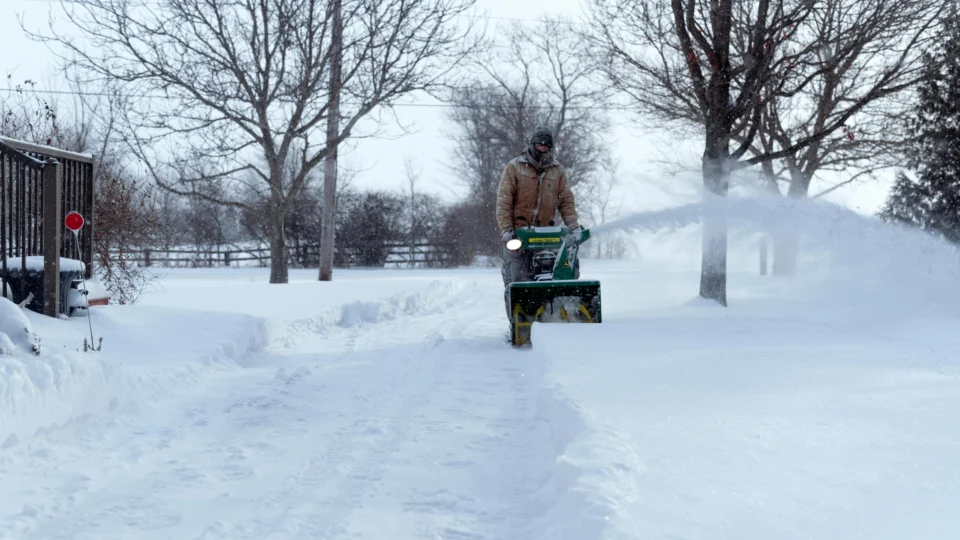
As a fresh snowfall blankets a suburban driveway in early January, many homeowners reach for their snow blowers to reclaim their paths and parking areas. Yet, without careful planning, this routine task can inadvertently harm landscaping features like shrubs and evergreens, leading to costly repairs come spring. With winter storms intensifying in frequency—data from recent meteorological reports indicate an average increase of 10-15% in heavy snow events over the past decade in northern regions—this efficient approach to snow blowing is becoming essential for maintaining property integrity.
Key Considerations for Directing Snow Discharge
Effective snow blower operation hinges on strategic snow placement to minimize environmental impact on yards. Single-stage models, equipped with simpler augers, typically propel debris up to 20 feet, while two-stage variants can extend this reach to approximately 40 feet. This capability, while useful for clearing, poses risks if not managed properly.
- Avoid targeting vegetation: Directing snow toward trees or shrubs can bury them under heavy accumulations, potentially causing branch breakage or root stress. Excess salt from de-iced roads, often ingested by the machine, may singe evergreen needles or inhibit deciduous plant growth.
- Steer clear of structures and roads: Hurling gravel or ice toward vehicles, buildings, or streets not only risks property damage but could introduce contaminants like rock salt into lawns, stunting grass recovery by up to 20-30% in affected areas the following season, based on soil salinity studies.
- Pre-clear obstacles: Inspect for low-hanging branches or debris that could jam the auger, ensuring smoother operation and reducing downtime.
Homeowners are advised to consult equipment manuals for model-specific guidelines, as capacities vary. For instance, aiming discharge toward an open, plant-free side of the driveway helps consolidate piles without collateral damage.
Optimizing Passes and Machine Limits for Efficiency
To maximize productivity while outdoors in subzero temperatures, understanding machine limitations is crucial. Single-stage blowers are generally suited for accumulations up to 6 inches, whereas two-stage models handle 10 to 16 inches more reliably, allowing for fewer overall passes in moderate storms. Planning routes mimics lawn mowing patterns: begin on the side opposite the desired snow pile and proceed in straight, overlapping rows. This method ensures comprehensive coverage and directs material consistently.
- Overlap for thorough removal: Each pass should overlap the previous by 20-30% to capture residual snow, reducing the need for multiple revisits during severe weather.
- Maintain steady pace: Rushing through dense snow increases clogging risks in the discharge chute, potentially extending clearing time by 15-20 minutes per session. A deliberate speed preserves machine performance and user safety.
- Storm-specific adjustments: In events exceeding 16 inches—flagged as uncertain for standard residential models without verification—multiple layered passes may be required, emphasizing the value of pre-storm preparation like securing loose yard elements.
"Planning your snow removal route thoughtfully can save hours in the cold and protect your landscape investment," notes a gardening maintenance guideline.
These techniques not only enhance operational efficiency but also mitigate long-term yard degradation, with implications for reduced maintenance costs estimated at 10-15% annually for proactive users. In reflecting on these strategies, consider how adapting your snow blower routine could safeguard your property this winter—might integrating a pre-clearance checklist transform your next storm response?