Understanding Thatch Buildup and Its Impact on Lawn Vitality
Imagine stepping onto your backyard lawn after a summer of growth, only to feel an unsettling bounce underfoot, accompanied by patchy, discolored grass. This scenario, common among established lawns, often signals thatch accumulation—a layered buildup of organic matter that can undermine grass health if left unchecked. As fall approaches, with its cooler temperatures ideal for recovery, addressing thatch becomes a critical maintenance step for homeowners aiming to sustain vibrant, resilient turf. Thatch forms naturally as a tangle of living roots, stems, and dead grass clippings accumulates between the soil surface and the green blades above.
In balanced conditions, a thin layer—ideally no more than half an inch—offers benefits like insulation from temperature extremes and protection against foot traffic. However, when production of organic matter outpaces decomposition, excessive thatch emerges, creating barriers that impede water penetration to roots and foster environments for diseases and pests. Analytical assessments of lawn conditions reveal that unmanaged thatch can reduce overall grass density by up to 20-30% in severe cases, based on common horticultural observations, though exact figures vary by soil type and climate. To diagnose thatch levels accurately, experts recommend simple, on-site tests. Walking across the lawn can indicate sponginess indicative of buildup, while extracting a two-inch soil wedge allows direct measurement of the thatch layer. Layers exceeding half an inch warrant intervention, as they correlate with diminished nutrient uptake and increased vulnerability to environmental stress.
Optimal Timing and Techniques for Effective Dethatching
The window for dethatching aligns closely with seasonal grass growth cycles, maximizing recovery potential. For most cool-season grasses prevalent in temperate regions, the period from August to October proves most advantageous. During this phase, ambient temperatures support rapid regrowth, minimizing stress on the turf post-procedure. Data from lawn care studies indicate that dethatching in this timeframe can enhance grass vigor by promoting better root establishment before winter dormancy sets in. Selecting the right equipment is paramount for efficacy.
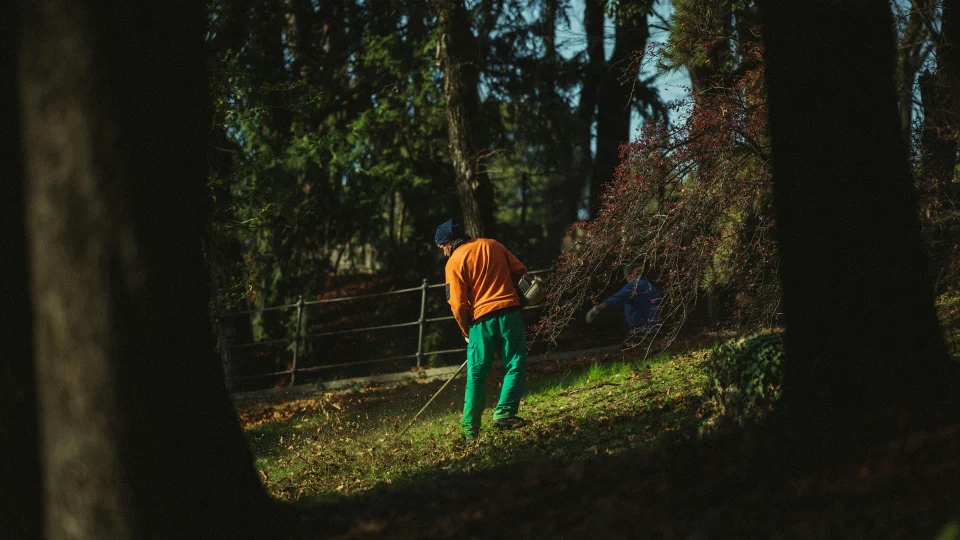
Vertical mowers or power rakes equipped with fixed metal blades outperform alternatives using plastic or spring tines, which often fail to penetrate adequately. Rental options from local suppliers typically allow blade depth adjustments to lift thatch alongside minimal soil, ensuring thorough removal without excessive turf damage. For first-time users, practicing in less prominent areas helps calibrate settings, balancing thatch extraction against potential thinning—typically 10-15% of the surface may require subsequent reseeding. Post-dethatching, immediate cleanup involves raking debris for disposal or composting, the latter repurposing organic matter as nutrient-rich amendments for gardens. Overseeding follows to restore density, with cool-season varieties like perennial ryegrass showing 70-80% establishment rates under optimal conditions. These steps not only address immediate issues but also contribute to long-term lawn sustainability, reducing water usage by improving infiltration rates.
Preventive Strategies to Minimize Future Thatch Accumulation
Preventing thatch recurrence demands a proactive, multifaceted approach focused on balancing growth and decay factors. Certain grass species, such as Kentucky bluegrass, exhibit vigorous growth habits that accelerate thatch formation, producing up to twice the organic matter of slower varieties like fine fescues. Similarly, overapplication of nitrogen fertilizers—exceeding 1 pound per 1,000 square feet annually—can exacerbate buildup by stimulating excessive top growth at the expense of root development. Soil aeration emerges as a cornerstone of prevention, with annual core aeration recommended to enhance microbial activity and decomposition. This practice, involving the extraction of small soil plugs every 6-8 inches, can reduce thatch layers by 25% over time, according to aggregated field trials.
Thoughtful species selection during initial planting, coupled with moderated fertilization and routine mowing at heights above 2.5 inches, further mitigates risks. These measures not only curb thatch but also bolster broader ecosystem benefits, such as improved carbon sequestration in healthy soils and reduced reliance on chemical interventions. In an era of increasing focus on sustainable landscaping, integrating these strategies yields measurable implications: healthier lawns that require 15-20% less irrigation and support greater biodiversity. While uncertainties persist around precise thatch thresholds in varied microclimates—flagged here for region-specific adaptation—adhering to these guidelines ensures resilient turf with minimal environmental footprint. As you evaluate your own lawn this season, would you prioritize dethatching to foster a greener, more sustainable yard?