Apple Harvesting and Storage: Essential Techniques for Gardeners
Apples represent a cornerstone of home fruit cultivation, offering both nutritional value and seasonal abundance. But how can gardeners ensure their harvest remains viable through winter, minimizing waste in an era of increasing food self-sufficiency? This article explores evidence-based methods for harvesting and storing apples, drawing on horticultural principles to extend shelf life and support year-round consumption.
Determining Ripeness: Indicators and Regional Variations
Timing the harvest is critical, as premature picking leads to underdeveloped flavor while overripening accelerates spoilage. Apples typically mature from late summer into fall, influenced by factors such as climate, elevation, and variety. In cooler regions, later spring flowering delays ripening, while warmer areas accelerate it due to enhanced sugar production from sunlight exposure. Key indicators of readiness include:
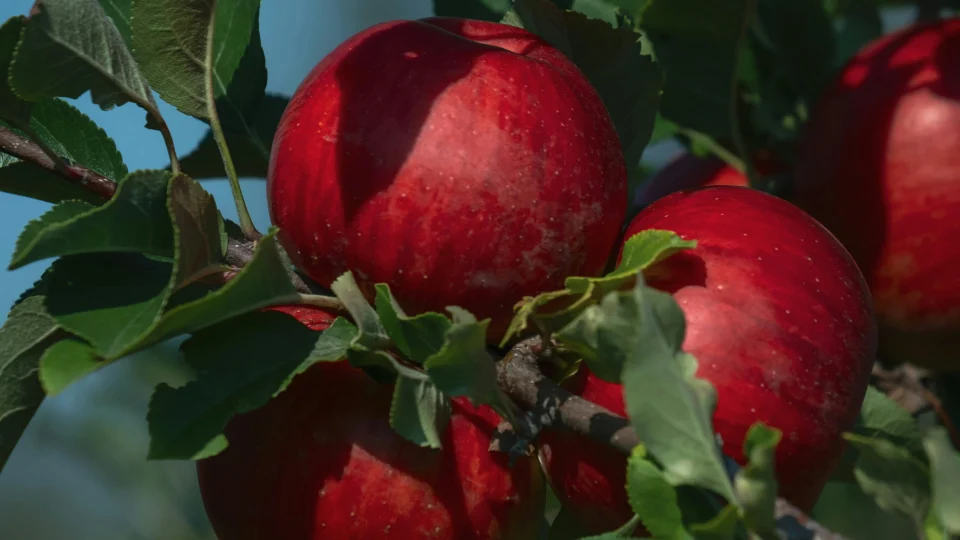
- Color changes: Red varieties develop a blush with underlying green shifting to yellow; green types lighten to yellow-green. Deep red cultivars simply intensify without an undertone shift.
- Firmness and taste: Ripe apples are crisp yet juicy, with balanced sweetness or tartness. Underripe fruits taste starchy and sour, while overripe ones become soft and mealy. Regular taste tests every few days near expected maturity provide the most reliable assessment.
- Ease of detachment: Gently lift and twist; ready apples separate easily with the stem intact. Fruit drop signals broader ripeness across the tree.
Regional data highlights variability: Higher elevations slow ripening due to reduced heat, potentially yielding more flavorful fruit under cloudy conditions. For instance, in temperate zones like the U.S. Midwest, harvest often peaks in September-October, aligning with chill hour requirements (typically 500-1,000 hours below 45°F for most varieties). These factors underscore the need for variety selection—non-self-pollinating trees require cross-pollination from compatible cultivars to maximize yield, potentially increasing home production by 20-50% in suitable pairings. Uncertainties arise with hybrid varieties, where color alone may mislead; flavor sampling remains essential.
Harvesting Methods: Minimizing Damage for Optimal Storage
Proper technique preserves fruit integrity, directly impacting storage duration. Home growers should prioritize gentleness to avoid bruising, which initiates rapid decay via ethylene gas release—a natural ripening hormone that affects adjacent produce.
- Use hands and a lined basket for collection; start with outer, upper branches where maturation occurs first. A second pass after 1-2 weeks captures inner fruits.
- Detach by cradling the apple, rolling it toward the branch, and twisting upward—avoid pulling to retain stems and prevent tree stress.
- Harvest in dry conditions to reduce fungal risks; process immediately for blemished fruits.
Statistics from agricultural extensions indicate that careful handling can extend post-harvest life by 4-6 weeks compared to rough methods. For young trees (2-5 years old), yields may start at 10-20 apples per tree, scaling to 50+ with mature specimens under consistent care: full sun (6-8 hours daily), well-drained acidic soil (pH 6.0-7.0), and balanced fertilization (e.g., nitrogen-phosphorus-potassium ratios of 10-10-10 applied spring and fall).
Storage Strategies: Conditions for Longevity and Preservation
Post-harvest sorting separates viable stock: Firm, unblemished apples for long-term storage versus those with cuts or soft spots for quick use. Avoid washing to retain the natural wax coating, which guards against moisture loss. Effective storage protocols include:
- Wrapping and layering: Individually wrap in newspaper or craft paper to isolate ethylene, stacking no more than 2-3 layers in ventilated crates or boxes. This reduces gas diffusion, potentially doubling storage time.
- Temperature control: Maintain 30-40°F (-1 to 4°C) in refrigerators or cool basements to slow respiration and microbial activity. Warmer conditions (>50°F) hasten softening by 2-3 times.
- Humidity management: Aim for 90% relative humidity using damp sand, sawdust, or straw in non-refrigerated setups; ventilation prevents mold. Dry air (<70% humidity) causes shriveling, as apples are 80-85% water.
- Isolation: Store separately from ethylene-sensitive items like leafy greens, root vegetables, berries, and brassicas to avoid accelerated spoilage.
- Baking: Remove bruises for pies or muffins.
- Processing: Create applesauce, butter, cider, or syrup, retaining 90% of nutritional value (e.g., vitamin C and fiber).
Data from extension services shows these methods can preserve apples for 1-6 months, depending on variety—early-season types like Gala last 1-2 months, while late ones like Fuji endure up to 6. Societally, this supports reduced food waste, aligning with trends where home preservation cuts household produce loss by 15-20%, promoting sustainability amid rising interest in backyard orchards. For imperfect apples, immediate preservation maximizes utility:
As climate variability challenges commercial yields, home gardeners adopting these practices could enhance food security. What innovations in storage tech, like controlled-atmosphere bags, might further extend this bounty into the future?