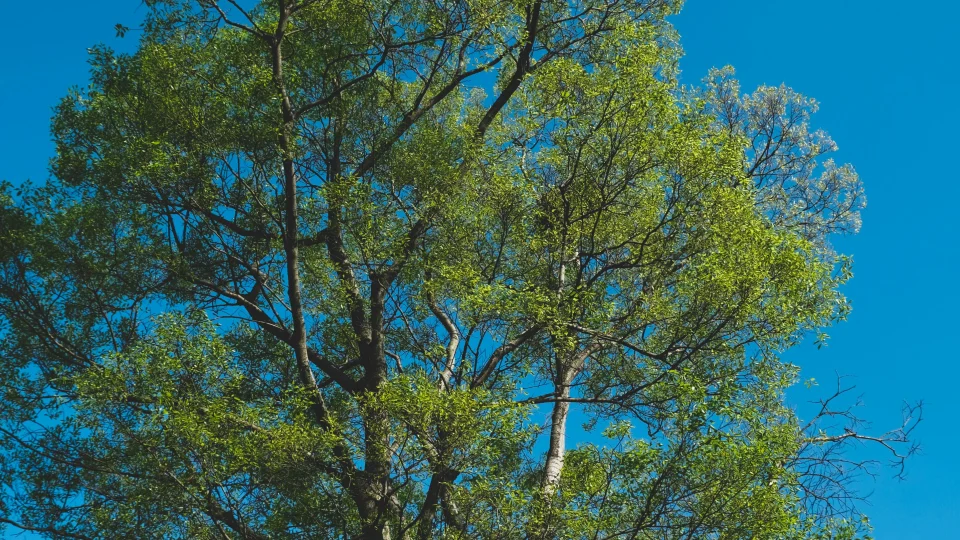
In the blistering heat of a South Asian summer centuries ago, villagers sought refuge under the broad canopies of neem trees, where the air felt a touch cooler and insects dared not linger. Fast-forward to today, and this ancient ally is making a comeback in sun-baked backyards across warmer climates, offering rapid shade and natural pest control in an era of rising temperatures. The neem tree (Azadirachta indica), a member of the mahogany family, can stretch to 50 to 75 feet tall and wide at maturity, transforming exposed patios into shaded sanctuaries within years.
The Enduring Appeal of Neem in a Warming World
Neem trees have long been more than just greenery in their native South Asia; they’ve been woven into daily life for their medicinal, insect-repelling, and even timber-producing qualities. Historical records trace their use back over 4,500 years, where extracts from the tree’s seeds powered natural remedies and agricultural aids. Today, as urban gardeners grapple with prolonged heatwaves—exacerbated by climate change—these fast-growers are gaining traction in USDA Hardiness Zones 10 through 12, where summers can push temperatures into the triple digits.
An evergreen that drops leaves only in severe drought, the neem provides consistent cover, cooling the ground beneath it by up to 10 degrees Fahrenheit on hot days, according to environmental studies on similar species. What draws modern homeowners isn’t just the shade; it’s the tree’s resilience. Thriving in arid conditions, neem can endure minimal watering once established, making it a low-maintenance choice for water-conscious landscapes. In spring, its fragrant pink and white flowers attract pollinators without the risk of harm, as the tree’s defensive chemicals concentrate in leaves and fruits rather than blooms. “It’s like nature’s own air conditioner,” one Florida gardener shared after planting a neem sapling that shaded her entire deck in under five years.
Planting Neem: From Seed to Shade Provider
Establishing a neem tree begins with understanding its tropical roots—it hails from regions where monsoons alternate with dry spells, so it demands well-draining soil to avoid root rot. Deep, sandy soils are ideal, and the tree tolerates acidic conditions exceptionally well; in fact, fallen neem leaves can gradually neutralize overly acidic ground over time, benefiting nearby plants.
- Site Selection: Choose a spot in full sun with at least 20 feet of clearance from structures, as the tree’s expansive roots and branches demand space. Avoid areas prone to winter freezes below 40 degrees Fahrenheit, where frost could damage young growth.
- Propagation Methods: Neem grows readily from fresh seeds, which remain viable for about a month—sow them directly outdoors or start indoors in pots. Cuttings or root suckers also work, sprouting new trees quickly due to the plant’s vigorous root system.
- Initial Care: Water young trees deeply but infrequently to encourage deep roots. Fertilize sparingly with organic matter; neem’s natural vigor means it rarely needs supplements. Within 5 to 7 years, it can even be pruned for timber, a nod to its historical role in sustainable forestry.
Benefits and Cautions: Balancing Neem’s Gifts with Its Wild Side
Beyond shade, neem’s olive-like fruits yield seeds rich in azadirachtin, the compound behind neem oil—a natural insecticide and fungicide that’s safe for beneficial insects. Home gardeners can harvest and process their own oil, with the leftover pulp (neem cake) serving as nutrient-rich fertilizer. This self-sufficiency echoes ancient practices, where neem supported entire communities through pest control and soil enrichment. Yet, neem’s adaptability is a double-edged sword. Its rapid growth and self-seeding nature have led to invasive classifications in parts of Australia and parts of Africa, where escaped trees outcompete native flora. In the U.S., it’s generally not invasive but can spread via suckers, requiring vigilant pruning.
- Pest and Disease Resistance: Leaves naturally deter aphids, whiteflies, and fungi, reducing the need for chemical sprays—potentially cutting garden pesticide use by 50% in affected areas.
- Management Tips: Remove fallen fruits promptly to curb unwanted seedlings, and prune annually to control size. In non-native regions, consult local extension services to confirm suitability.
- Societal Impact: As global temperatures rise, neem could play a role in urban greening initiatives, providing cooling shade that lowers energy bills for air conditioning by absorbing heat.
“Neem isn’t just a tree; it’s a living pharmacy and shade machine rolled into one,” noted a botanist specializing in tropical species.
As climate projections warn of hotter, drier summers ahead, the neem tree invites us to reconsider how we cultivate resilience in our yards. What could widespread adoption mean for sustainable landscaping and biodiversity in the coming decades?