In an era where remote work and online home tours have amplified the importance of first impressions, homeowners are increasingly turning to their front yards as canvases for personal expression. This surge in curb appeal projects, driven by a desire to boost property values amid fluctuating real estate markets, echoes a long-standing tradition dating back to 19th-century Victorian gardens, where elaborate frontispieces signaled prosperity and hospitality. Yet, today’s gardeners blend that heritage with modern priorities like sustainability and low-maintenance care, opting for flowers that not only dazzle but also support local ecosystems. As winter fades into spring—consider the quiet satisfaction of a neighbor pausing mid-walk to admire a vibrant display—these nine flower varieties stand out for their ability to transform ordinary landscapes into inviting gateways.
Crafting Curb Appeal Through Seasonal Harmony
The art of selecting flowers for the front yard lies in creating a narrative across seasons, much like the layered storytelling in a well-tended English cottage garden of the early 20th century. Imagine a homeowner in a suburban neighborhood, inspired by a childhood memory of her grandmother’s tulip-lined path, now experimenting with drought-tolerant natives to combat water restrictions. This approach ensures year-round interest without overwhelming upkeep, drawing eyes from the street while fostering biodiversity. Below, we explore standout varieties, grouped by their classic appeal and innovative, eco-friendly traits.
Classic Blooms That Captivate at First Glance
These time-honored flowers offer bold colors and reliable performance, perfect for evoking that instant “wow” factor. Their popularity stems from centuries of cultivation, from Dutch bulb fields to American victory gardens during World War II, where they symbolized resilience and beauty amid hardship.
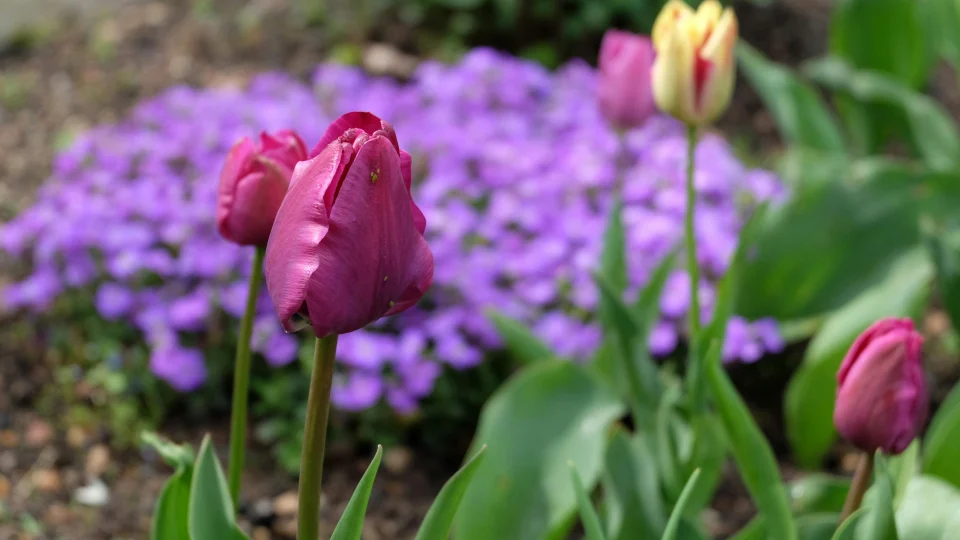
- Tulips (Tulipa spp.): Thriving in USDA Zones 3 through 8, these spring harbingers feature over 100 wild species and thousands of cultivars, including the long-lasting Darwin hybrids with their oversized, showy blooms. Planted in fall, they emerge as welcoming sentinels, their height ensuring visibility from afar—ideal for borders that frame a home’s entrance.
- Hardy Hibiscus (Hibiscus spp.): Hybrids of U.S. native species, these endure down to Zone 4, producing large, tropical-esque flowers in summer until frost. Cut back in fall, they rebound vigorously, adding a vacation-like vibrancy to full-sun spots without the fragility of true tropicals.
- Petunias (Petunia x hybrida): Available in hundreds of varieties, from grandiflora’s massive single blooms to multiflora’s abundant clusters, they span hues like pink, purple, and white. Perennial in Zones 10-11 but often grown as annuals elsewhere, they flourish in full sun or partial shade; deadheading doubles enhances their prolific display.
- Phlox (Phlox paniculata): A midsummer perennial for Zones 4-8, this mound-former reaches 2-3 feet wide with five-petaled flowers in pastels and bold shades such as orange and red. It bridges the gap after spring bulbs fade, though vigilance against powdery mildew is advised in humid areas.
"A well-chosen front yard isn't just decoration—it's an invitation that lingers in the mind," notes a seasoned landscape enthusiast, recalling how a simple phlox border once turned a modest home into the neighborhood's envy.
Native and Resilient Varieties for Sustainable Allure
Shifting toward native plants reflects a broader movement since the 1990s, spurred by environmental awareness and books like “Bringing Nature Home” by Douglas Tallamy, which highlight how these species support pollinators and reduce maintenance. For the modern gardener facing climate challenges, they offer tough, low-water beauty that tells a story of harmony with the land.
- Hummingbird Sage (Salvia spathacea): A U.S. native for Zones 8-11, this ground cover thrives in shade or partial shade across various soils, its bright pink blooms luring hummingbirds and insects. Drought-tolerant once established, it adds subtle color without demanding prime real estate.
- Blazing Star (Liatris spicata): Native to the eastern U.S. and hardy in Zones 3-8, its purple spikes shine in full sun and moist, well-draining soil, enduring summer heat. Excellent for dried arrangements, it challenges stereotypes of “wild” natives as unkempt, blooming reliably year after year.
- Black-Eyed Susan (Rudbeckia hirta): Salt-tolerant for coastal spots and suited to Zones 3-8, these yellow daisy-likes self-seed as short-lived perennials, attracting butterflies and birds. Drought-resistant in sunny locations, deadheading prompts extended blooms, making them a forgiving choice for beginners.
- Foothill Penstemon (Penstemon heterophyllus): From the U.S. West Coast’s mountains, this Zone 6-10 perennial features buds shifting from gold to blue-purple, with the ‘Margarita B.O.P.’ cultivar noted for its neat growth. Highly adaptable to drought, a second flush follows deadheading.
- Purple Poppy Mallow (Callirhoe involucrata): Ideal for the challenging sidewalk strip in Zones 4-8, this ground cover handles full sun, dry soil, and compaction with magenta, cup-shaped flowers—earning its “winecup” nickname. As a U.S. native, it excels where others falter, providing resilient color.
These selections, when layered thoughtfully, can elevate a home’s exterior without excessive effort, blending historical charm with forward-thinking ecology. While most details align with established horticultural knowledge, exact bloom durations may vary by microclimate—consult local extension services for tailored advice. How do you incorporate flowers to enhance your home’s curb appeal, and what impact do native plants have on your gardening routine?