Enhancing Wildlife Habitats with Log Piles
In urban and suburban yards across the United States, manicured lawns often dominate, leaving limited space for native wildlife. However, a simple addition like a log pile can transform these areas into supportive environments for birds, insects, and small mammals. Native plant gardener Jerad Bryant, based in Oregon’s Willamette Valley, outlines practical steps for creating such habitats, drawing from natural forest processes where dead wood sustains diverse ecosystems. Dead wood, including logs, snags, and brush piles, plays a crucial role in supporting biodiversity. These structures provide shelter, nesting sites, and food sources for various species. For instance, decaying logs host fungi, grubs, and slugs, which in turn attract predators like birds and snakes. Brush piles, composed of twigs and branches, offer perching spots for birds while sheltering reptiles and insects below. Snags—standing dead trees—serve as hunting perches and nesting cavities, particularly for cavity-nesting birds. Bryant emphasizes that these habitats mimic natural decay cycles, where fallen trees and leaf litter foster microbial and insect life. In gardens, they can help counter habitat loss from development, potentially aiding declining populations of pollinators and small vertebrates. No specific statistics on adoption rates are available, but experts note that such features contribute to local ecological balance without requiring extensive maintenance.
Types of Log Pile Habitats and Their Benefits
Log pile habitats vary in scale and complexity, allowing gardeners to choose based on available space and desired wildlife.
- Brush Piles: These are the most accessible option, built from small twigs, branches, and logs stacked three to five feet high. They attract birds for perching at the top and ground-dwelling species like toads, frogs, and salamanders in the lower layers. As insects colonize the pile, it draws predatory birds and mammals, creating a food web.
- Logs: Large tree trunks laid on the ground decompose over time, hosting wood-decaying fungi and insects. This process benefits soil fertility by breaking down organic matter, indirectly supporting nearby plants. Species such as beetles, ants, and woodpeckers frequent these, with larger animals like bears or mice foraging for inhabitants (noted in regions where such wildlife is present).
- Snags: Standing dead trees provide vertical habitat, with cavities formed by wood-boring insects and birds. Hardwood species like silver maples are ideal, as their natural hollows expand post-death. These structures support owls, woodpeckers, and squirrels, offering protection from ground predators.
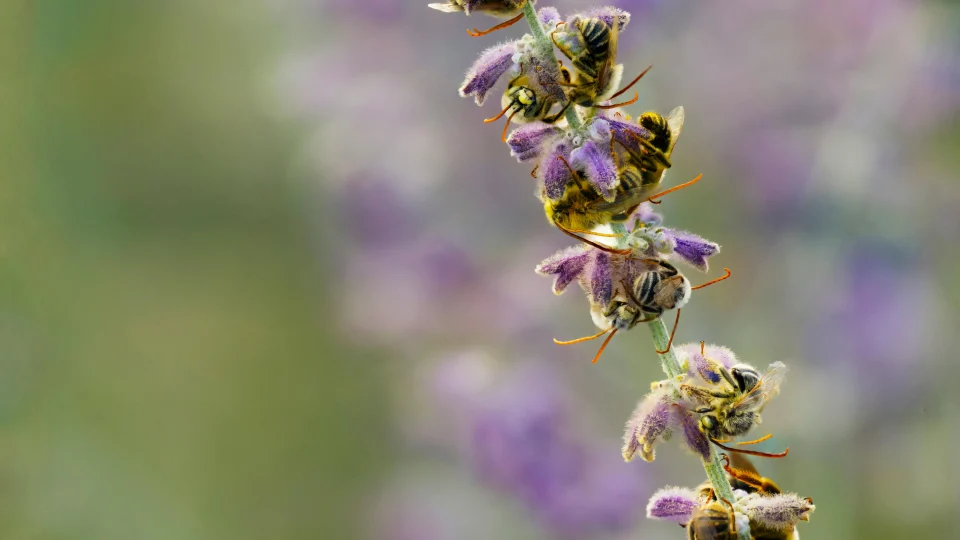
For smaller spaces, such as balconies, Bryant suggests bee-specific habitats using bundles of hollow sticks tied together in a frame or repurposed birdhouse. These target carpenter bees, which require wood for nesting. To encourage occupancy, place near water sources and flowering plants for pollen and nectar. Uncertainties exist regarding exact species attraction, as it depends on local ecosystems; for example, bear visits to logs are more common in forested areas than urban settings.
Step-by-Step Guide to Creating a Log Pile
Creating a log pile requires minimal materials—primarily dead wood from yard trimmings or local sources—and careful site selection to avoid hazards.
Selecting Location and Materials
Choose a spot away from structures, trees, and shrubs to prevent fire risks during dry seasons. Position near a water source for moisture-loving species but not in flood-prone areas. Source materials from fallen branches or landscape suppliers; avoid treated wood to prevent chemical contamination.
Constructing a Brush Pile
Begin with larger logs as a base if available, laying two perpendicular to form a foundation. Add layers of smaller branches in alternating directions for stability, building to three to five feet. This grid-like structure ensures durability while creating layered habitats: lower for reptiles and insects, upper for birds.
Incorporating Logs and Snags
For logs, simply place a trunk on the ground and allow natural decay; no further intervention is needed. Fungi and invertebrates will colonize within months. For snags, if a tree dies naturally, leave it standing. Alternatively, girdle a young tree by removing a bark ring around the trunk to induce death while keeping it upright—this method takes seasons to fully develop. Maintenance is low: avoid disturbing the pile to let succession occur, where initial colonizers pave the way for more complex life. These setups also enhance soil health through fungal activity, potentially improving garden productivity. In summary, log piles offer an low-effort way to integrate wildlife support into home landscapes, fostering resilience in local ecosystems. How do you see these simple habitats impacting biodiversity in your own community?