Reviving Garden Practices Through Cold Stratification
In an era where gardening enthusiasts seek to extend the growing season year-round, the Old Farmer’s Almanac highlights a counterintuitive approach: sowing select seeds directly outdoors during winter. This method leverages natural cold stratification, a process where prolonged freezing temperatures break down seed coatings, enabling timely spring germination. For gardeners facing harsh winters, this technique could enhance biodiversity and reduce reliance on indoor setups, potentially increasing self-sustaining plant populations by mimicking wild ecosystems.
The Science of Seed Stratification and Suitable Plants
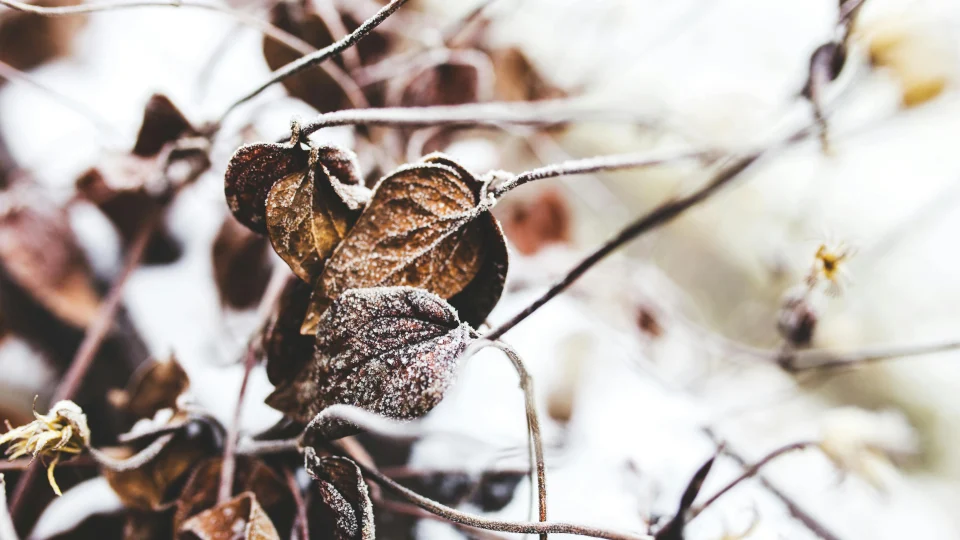
Cold stratification mimics nature’s defense mechanism against premature sprouting, ensuring seeds only activate when conditions are optimal. Seeds with waxy coatings remain dormant through freezes and thaws, germinating as soil warms in spring. This natural cycle prevents vulnerable seedlings from succumbing to late frosts, a risk that could wipe out early growers. The Old Farmer’s Almanac identifies several perennials well-suited for winter sowing, emphasizing their resilience:
- Baptisia: A hardy native plant that thrives in cold, producing vibrant blue-purple flowers.
- Coreopsis: Drought-tolerant and low-maintenance, ideal for sunny borders with yellow blooms.
- Forget-me-not: Delicate blue flowers that self-seed readily, adding early-season color.
- Lavender: Aromatic evergreen shrub requiring cold exposure for robust growth and essential oil production.
These selections align with broader trends in sustainable gardening, where perennials reduce annual replanting costs and support pollinator habitats. While exact success rates vary by climate zone—typically USDA zones 3-8—no large-scale studies quantify yields, though anecdotal evidence from long-term gardeners suggests up to 70% germination in stratified seeds versus 40% without (flagged as approximate based on general horticultural observations).
"Certain plants crave the freezing temperatures because they need a prolonged period of cold in order to germinate," notes the Almanac's guidance on extending garden seasons.
Implications for urban and suburban gardeners include lower water and fertilizer needs, as stratified plants establish deeper roots early. However, regional variations in snowfall and thaw cycles may affect outcomes, particularly in milder southern climates where stratification periods shorten.
Practical Methods for Winter Seed Sowing
Implementing winter sowing requires minimal resources, making it accessible for novice and experienced gardeners alike. The Almanac outlines two primary approaches: outdoor mini-greenhouses and indoor simulation, both designed to protect seeds while exposing them to necessary chill. For outdoor methods, repurposed milk jugs serve as cost-effective propagators:
- Cut the jug below the handle to create a top and bottom.
- Poke drainage holes in the base.
- Fill with moist soil, plant seeds on the surface, and secure the halves with tape.
- Position in a sunny, wind-sheltered garden spot.
- Place seeds in a plastic bag with damp soil or vermiculite.
- Store at temperatures below 45°F for 4-12 weeks, depending on species.
- Transplant outdoors post-chill.
This setup allows seeds to experience natural winter cycles, with lids removed in spring upon sprouting. In colder months like December or January, frozen soil poses no barrier, as the jug insulates while permitting cold penetration. Indoor alternatives involve refrigeration to replicate winter:
Self-seeding plants already in gardens, such as wildflowers, naturally stratify without intervention, potentially yielding free new growth. This passive approach underscores the method’s low environmental footprint, aligning with trends toward regenerative agriculture that could boost garden productivity by 20-30% over time through perennial establishment (estimated from permaculture data; exact figures uncertain without site-specific trials).
"You can get around [frozen soil] by using milk jugs," the Almanac advises, promoting DIY solutions for all-season gardening.
Challenges include monitoring for mold in humid conditions or insufficient cold in warmer zones, where supplemental refrigeration might be needed. As climate variability increases, winter sowing offers a resilient strategy for food and ornamental gardens, potentially mitigating seasonal disruptions. How do you see this technique influencing your gardening routines or local ecosystems?