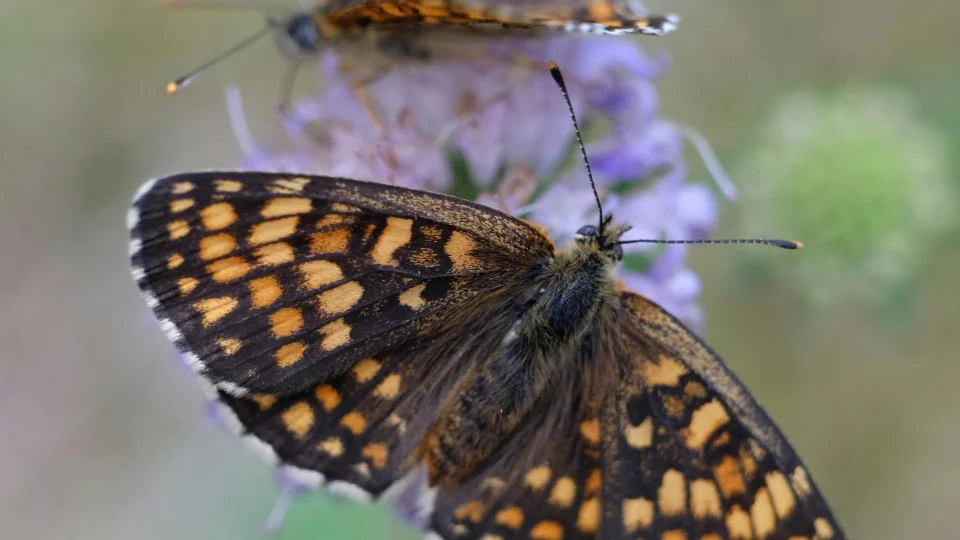
In the quiet hum of a suburban backyard, a lone bumblebee darts from flower to fading flower, its fuzzy body weighed down by the effort of a fruitless search. This scene, once rare, has become all too common as pollinator populations plummet due to shrinking habitats from urban sprawl and agricultural expansion. Historical records show that since the mid-20th century, factors like widespread pesticide use and habitat fragmentation have accelerated the decline of bees, butterflies, and other vital insects, threatening the one-third of global food crops that rely on their pollination services. Yet, amid this crisis, everyday gardeners are stepping up with a simple yet powerful idea: creating pollinator superhighways—networks of connected green corridors that offer safe passage, food, and rest for these essential creatures.
Reviving Pollinator Pathways Through Community Action
The concept of pollinator superhighways emerged in the early 2010s as conservationists recognized the need for linked habitats to mimic natural migration routes disrupted by human development. Drawing from wildlife corridor models used for larger animals like deer or wolves, these insect-focused pathways aim to bridge isolated green spaces, allowing pollinators to travel without exhausting their energy reserves. In urban and suburban areas, where natural foraging grounds have vanished, such initiatives have shown promise in bolstering local biodiversity. One gardener’s modest plot can serve as a vital “pit stop,” but when neighbors collaborate—planting along fences, roadsides, or medians—the impact multiplies, potentially spanning miles and supporting species recovery on a regional scale.
Planting for Continuous Blooms: Bridging the Nectar Gaps
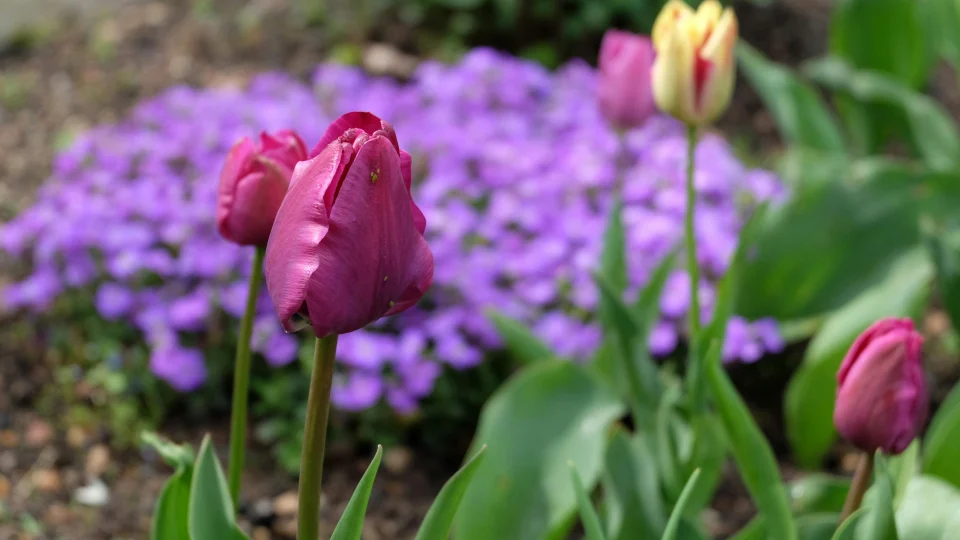
At the heart of any pollinator superhighway lies a commitment to year-round nourishment. Pollinators can’t afford “nectar gaps”—those perilous lulls between blooms when food sources dry up, forcing them to expend precious energy or perish. To counter this, gardeners focus on native plants with overlapping flowering periods, starting as early as spring and extending into fall. This approach not only sustains insects through the seasons but also echoes pre-industrial landscapes where wild meadows provided uninterrupted feasts. Key steps include selecting long-blooming natives suited to local climates. In the U.S., reliable choices encompass:
- Coreopsis, with its daisy-like yellow blooms from late spring to fall.
- Black-eyed Susan, thriving in sunny spots and attracting bees through summer.
- Coneflower, offering purple petals that draw butterflies well into autumn.
- Milkweed, essential for monarch caterpillars and blooming mid-summer.
- Goldenrod and aster, providing late-season yellows and purples as frosts approach.
“A nectar gap leaves pollinators scrambling to find food, often exhausting themselves in the process. If they can’t find the next food source in time, they won’t survive,” notes pollinator advocate Melissa Strauss, a beekeeper whose own garden has become a buzzing haven.
Uncertainties arise in varying regional adaptations; what blooms reliably in one zone may falter in another, so consulting local extension services is advisable.
Layering Habitats and Linking Spaces: From Canopy to Ground
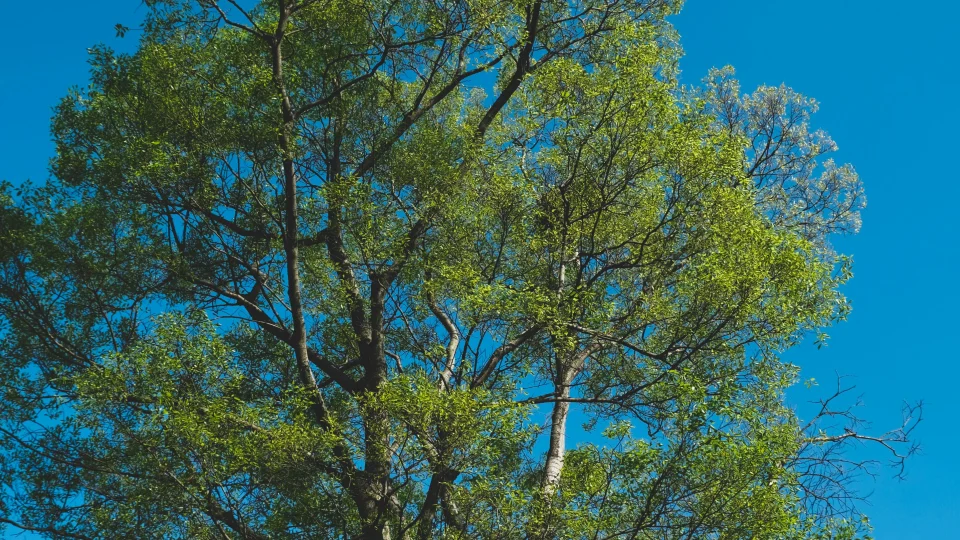
Beyond blooms, effective superhighways demand vertical and horizontal diversity to meet diverse needs—ground-nesters require bare soil, while hummingbirds seek elevated perches. Layering vegetation recreates the stratified forests and prairies that pollinators evolved alongside, offering shelter from predators and weather. The canopy of trees and tall shrubs provides early nectar bursts and shade; mid-level bushes like viburnum offer dense cover for nesting; herbaceous perennials fill the middle with color; and ground covers or bare patches support soil-dwellers.
To connect these layers spatially, stations should appear every 100-200 feet, accommodating short-range flyers like small bees (which travel mere hundreds of feet) and longer hauls by butterflies or hummingbirds (up to miles). Planting along property edges or community medians fosters continuity, turning fragmented yards into a unified lifeline. Water sources—shallow birdbaths with pebbles, mud puddles, or saucers—prevent dehydration, while insect hotels from hollow stems and leaf litter piles aid overwintering. Avoiding chemicals is non-negotiable; herbicides and pesticides indiscriminately harm beneficials, undermining the ecosystem. Instead, natural controls like ladybugs maintain balance, harking back to pre-chemical farming eras when insects self-regulated.
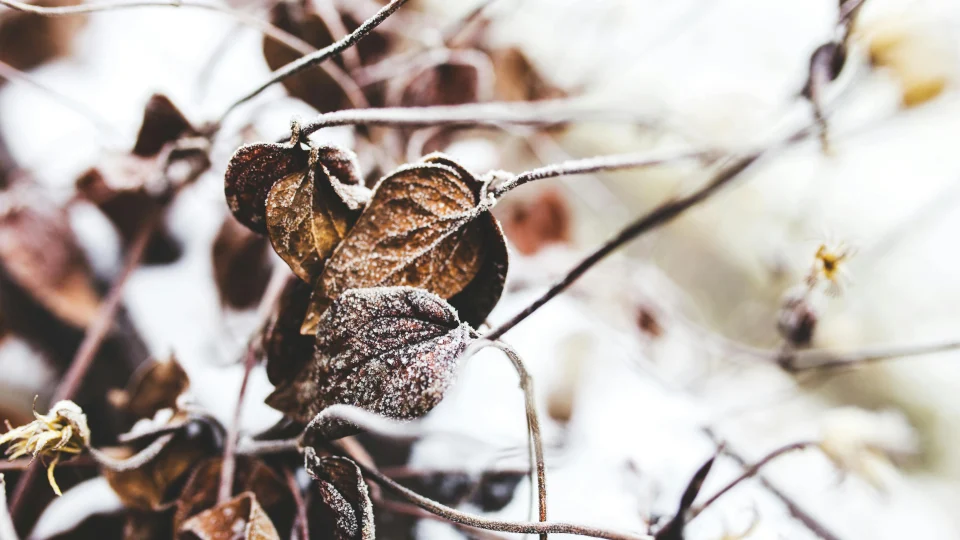
Leaving spaces wild—mowing minimally, allowing seeds to drop, and retaining winter stems—fosters self-sustaining cycles. “A truly thriving pollinator garden should be a little bit wild,” Strauss observes, emphasizing how this “messy” approach builds healthier soil and reduces maintenance over time.
Societal impacts are profound: by enhancing pollination, these highways could safeguard food security and biodiversity, with studies suggesting even small urban gardens boost local insect numbers by 20-30%. Yet challenges persist, including initial “overgrown” appearances that may deter tidy-loving neighbors. As more gardeners weave these superhighways into their landscapes, the question lingers: What could widespread adoption mean for reversing pollinator declines and fostering resilient ecosystems in an urbanizing world?