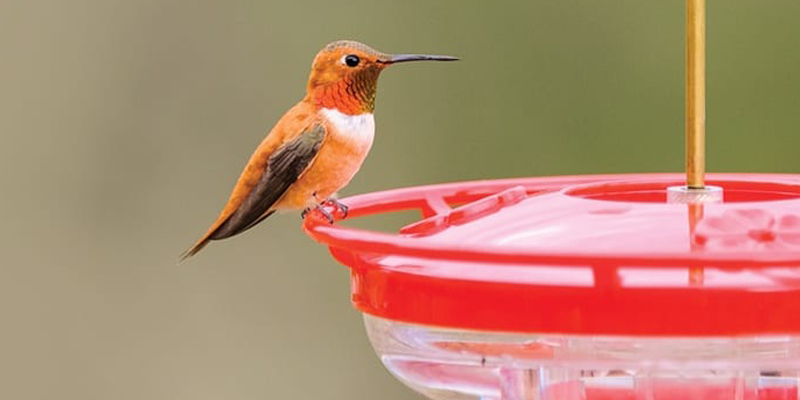
In the quiet hum of a summer garden, a tiny iridescent blur darts toward a feeder, its wings beating up to 80 times per second—a marvel of nature that has captivated observers since the first European settlers noted these “flying jewels” in the Americas centuries ago. Yet, this delight can turn deadly if overlooked: unclean feeders can lead to fungal infections that swell a hummingbird’s tongue, preventing feeding and causing starvation. As backyard birdwatching surges in popularity, with millions of feeders dotting North American gardens, maintaining these devices emerges as a simple yet vital idea for supporting declining pollinator populations.
The Delicate Balance of Attraction and Care
Hummingbirds, those pint-sized powerhouses that migrate thousands of miles annually, rely on high-energy nectar sources to fuel their feats. Historical accounts from early naturalists like John James Audubon in the 19th century highlight how these birds were drawn to human-altered landscapes, but modern feeders amplify this interaction—for better or worse. Today, as urban sprawl fragments habitats, feeders offer a lifeline, but neglect can exacerbate risks from diseases that have contributed to population dips in some species.
The Hidden Dangers of Neglected Feeders
Spoiled nectar isn’t just unappetizing; it poses a real threat. Within days, especially in warm weather, sugar water ferments, fostering mold and bacteria that infect the birds’ delicate tongues.
- Fungal growth can cause tongues to swell, rendering them unable to extract nectar and leading to fatal starvation.
- In hotter climates or direct sunlight, nectar spoils faster, sometimes requiring daily changes during heat waves to prevent harm.
- Warmer seasons demand increased vigilance, with cleanings potentially every few days to avoid these issues.
Experts emphasize that while feeders boost local hummingbird activity, poor maintenance has been linked to higher mortality rates in observed populations, underscoring the responsibility of those who install them.
"Hummingbird feeders are a win-win—until they're not," notes one gardening advocate. "A clean feeder sustains life; a dirty one can end it."
This isn’t mere speculation; observations from wildlife rehabilitators confirm cases where infected birds arrive too weakened to recover, highlighting the broader ecological ripple: healthier hummingbirds mean better pollination for gardens and wild plants alike.
Step-by-Step Maintenance for Safe Feeding
Caring for a feeder needn’t be laborious, mirroring the straightforward routines that have sustained bird enthusiasts for generations. The key is consistency, using basic household items to ensure safety.
- Weekly Routine: Empty old nectar, wash all parts with hot soapy water, rinse thoroughly, and dry completely before refilling. This baseline prevents most spoilage.
- Nectar Recipe: Mix one part white granulated sugar with four parts water, boiling briefly to dissolve—no red dyes, as they stress the birds’ kidneys. A red feeder base suffices to mimic natural attractants.
- Seasonal Adjustments: In peak summer, inspect daily for cloudiness or insects; position feeders in shade to extend nectar life.
- Deep Cleansing: For stubborn residue, a vinegar solution (1:10 with water) can be used sparingly, followed by multiple rinses to avoid chemical traces.
These practices, rooted in decades of ornithological advice, keep feeders inviting without unintended harm. Uncertainty flags: While daily cleanings are advised for extreme heat, exact thresholds vary by local humidity and feeder design, so monitoring is key.
Beyond Feeders: Planting for Lasting Hummingbird Havens
For those wary of maintenance, nature offers timeless alternatives that echo pre-feeder eras when wildflowers sustained these migrants. Integrating pollinator-friendly plants transforms gardens into self-sustaining oases, reducing reliance on artificial aids.
- Top Attractors: Opt for tubular, red or orange blooms like salvias, cardinal flowers, and bee balms, which provide natural nectar without cleanup.
- Garden Design Tips: Cluster plants in sunny spots to create “pollinator highways,” supporting not just hummingbirds but bees and butterflies too.
- Long-Term Impact: Such plantings combat habitat loss, a factor in hummingbird declines, fostering biodiversity that benefits entire ecosystems.
This approach aligns with historical gardening wisdom, from Indigenous uses of native flora to modern conservation efforts, offering a low-effort way to contribute to avian health. As you gaze at your garden this season, consider implementing a weekly feeder check or sowing a few salvia seeds—small actions that could make your yard a safer stopover for these remarkable migrants. Would you prioritize cleaning or planting to welcome more hummingbirds?