Imagine a crisp autumn afternoon in a quiet suburban yard, where clusters of hydrangea bushes stand like sentinels, their once-vibrant blooms now fading under the shortening days. For generations, gardeners have faced the same dilemma: how to shield these beloved shrubs from winter’s unpredictable chill without losing their summer splendor. Drawing from centuries-old agricultural insights, a simple yet effective strategy emerges—mulching—to ensure these plants not only survive but thrive come spring. This approach, rooted in the practical knowledge passed down through farming almanacs since the late 18th century, offers a low-cost way to safeguard roots against temperature swings and foster healthier growth.
Safeguarding Hydrangeas: The Mulch Method and Its Roots
Hydrangeas have long captivated gardeners with their lush, colorful displays, but their sensitivity to cold makes winter preparation essential. Originating from regions like Japan and the eastern United States, these shrubs have been cultivated for ornamental purposes since the 18th century, evolving into garden staples across temperate climates. Yet, as anyone who has tended a backyard plot knows, a harsh freeze can stress even the hardiest varieties, leading to weakened stems or sparse blooms the following year. The key lies in insulation, a technique honed by early American farmers who relied on natural materials to protect crops and ornamentals alike.
Varieties and Their Winter Vulnerabilities
Different hydrangea types exhibit varying degrees of cold hardiness, influenced by their native habitats and breeding. Understanding these distinctions helps gardeners tailor protection, preventing surprises when temperatures plummet.
- Panicle hydrangeas (Hydrangea paniculata): The most resilient, suitable for USDA Plant Hardiness Zones 3 to 9. These cone-shaped bloomers tolerate some drought and extreme cold, making them ideal for northern gardens.
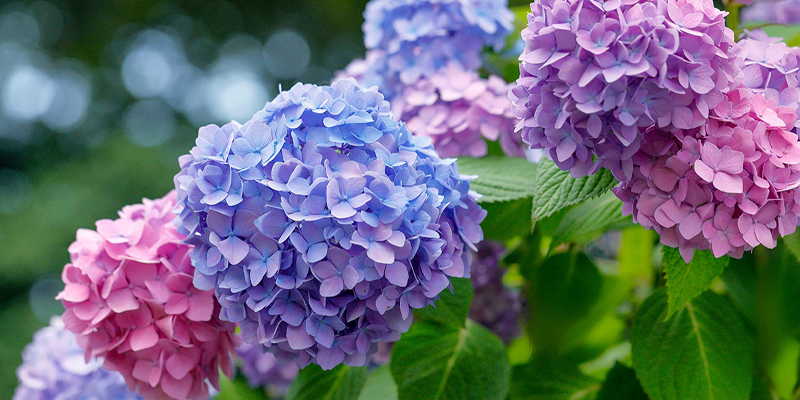
- Bigleaf or French hydrangeas (H. macrophylla): More delicate, hardy only to Zone 6. Their mophead or lacecap flowers, prized for shades of blue and pink, suffer in severe winters without extra care.
- Oakleaf hydrangeas (H. quercifolia) and mountain hydrangeas (H. serrata): Tender to Zone 5, these varieties feature unique foliage that turns red in fall but require vigilant protection to avoid root damage.
Container-grown hydrangeas face heightened risks, as pots expose roots to faster freezing than in-ground planting. No variety is entirely immune; sudden thaws followed by refreezes can heave soil and expose roots, a common issue in fluctuating climates. “Mulch acts as an insurance policy,” notes traditional gardening advice, emphasizing its role in stabilizing soil temperatures.
Step-by-Step Mulching and Additional Protections
Applying mulch in fall transforms vulnerability into resilience, enriching the soil while buffering against winter extremes. This practice, echoed in almanac recommendations for over two centuries, mimics nature’s leaf litter to retain moisture and nutrients—crucial for hydrangeas, which are notoriously thirsty. To mulch effectively:
- Gather materials like bark mulch, pine needles, straw, or leaves (avoid maple leaves, which mat and smother plants).
- Spread a layer 8 to 18 inches thick around the base, using a hoe or rake for even distribution.
- Maintain a 2- to 3-inch gap from the stems to prevent fungal issues or rot.
- For clay-heavy soils, incorporate compost to improve drainage.
- For sandy or loamy types, add leaf mulch to boost moisture retention.
- Construct a chicken wire cage around the shrub, filling it loosely with leaves for insulation.
- Drape burlap over stakes to form a breathable tent, ensuring it’s not too tight to avoid abrasion.
In spring, rake back some mulch to accelerate soil warming, then amend as needed:
For severe cold snaps, enhance protection with physical barriers:
These methods not only insulate but also promote long-term soil health, potentially leading to more abundant blooms. While results vary by local weather—flagged as an uncertainty in milder zones where less mulch may suffice—the consensus from horticultural practice is clear: proactive fall care yields noticeable improvements. As winters grow more erratic with changing climates, embracing such straightforward, nature-based ideas could redefine home gardening resilience. What adaptations might future gardeners make, blending these timeless tips with modern tools like climate-resilient hybrids?