Protecting Pollinators: Eco-Friendly Pest Management Trends
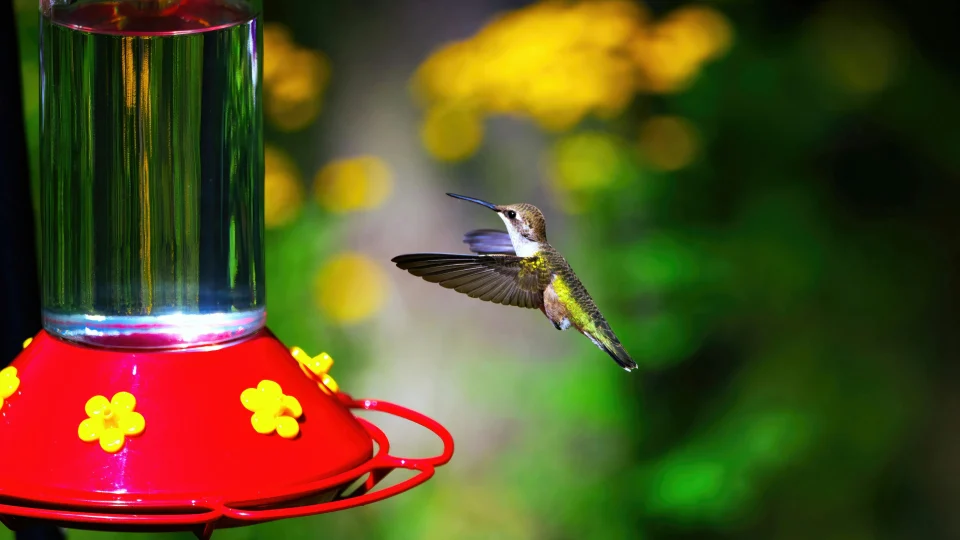
As concerns over declining pollinator populations rise, gardeners are increasingly turning to natural strategies to balance ecosystems in home landscapes. This shift emphasizes diverting pests like wasps away from sensitive areas, such as hummingbird feeders, without relying on chemical interventions that could harm beneficial wildlife. Recent advice highlights planting targeted pollinator gardens to redirect wasps, supporting both garden health and biodiversity.
The Role of Wasps in Garden Ecosystems
Wasps often invade hummingbird feeders, where they can scare away the birds or even sting them, leaving hummingbirds without access to nectar. While this behavior frustrates gardeners, wasps play a vital role in outdoor environments. They contribute to nearly 15% of garden pollination, stepping in when bee numbers decline—a trend observed in many regions due to habitat loss and pesticides. Wasps also aid in pest control by hunting aphids, flies, caterpillars, and beetles, and they consume dead insects to accelerate decomposition and nutrient recycling in soil. Not all wasps pose threats; solitary species like mud daubers generally stay within 100 feet of their nests and focus on foraging rather than aggression. However, social wasps such as yellowjackets, which can forage up to 1,000 feet from their hives, may require removal if they attack anything moving within 3 feet of their colony. By understanding these dynamics, gardeners can foster wasps’ positive contributions while minimizing conflicts.
- Pollination impact: Wasps, predating bees evolutionarily, handle about 15% of flower pollination and seed dispersal.
- Pest management: They prey on common garden nuisances, reducing the need for interventions.
- Decomposition aid: Consumption of dead bugs returns nutrients to the soil efficiently.
Planting Strategies to Attract and Divert Wasps
To keep wasps focused away from feeders, experts recommend creating a dedicated pollinator garden with nectar-rich, native flowers in yellow and white shades—these colors draw wasps effectively. Unlike bees, wasps have shorter proboscises, so prioritize flat or small-blooming varieties for easier access. Positioning this garden at a distance from feeders encourages wasps to forage elsewhere, benefiting flowers, butterflies, and other pollinators simultaneously. Key plant recommendations include:
- Yellow perennials: Black-eyed Susans, sunflowers, and golden Alexander, which provide abundant nectar.
- White perennials: Rattlesnake master and boneset, appealing to wasps’ color preferences.
- Flat or small flowers: Yarrow, ideal for wasps’ feeding limitations.
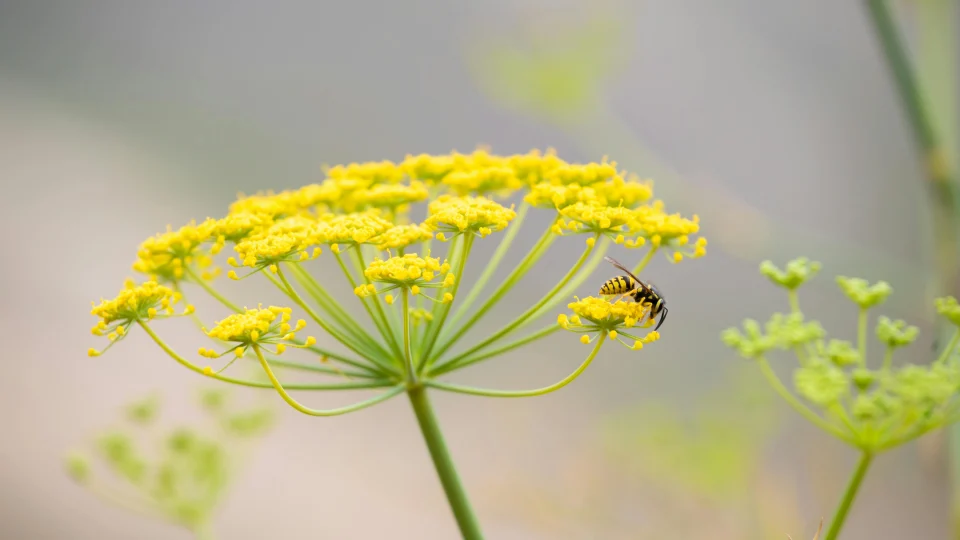
- Evergreen options: Fennel, whose licorice scent attracts wasps from afar.
- Late-blooming varieties: Smooth aster, active in late summer and fall when wasps are most foraging-intensive.
- Annuals: Zinnias and cosmos, quick-growing favorites that also lure monarch butterflies and bees.
Incorporating a pollinator-friendly bee hotel can further support solitary wasps, offering nesting sites and reducing their need to roam widely. Native plants are preferred for their adaptation to local conditions, enhancing overall garden resilience. (Note: Pollination percentage is an estimate based on general ecological studies; exact figures may vary by region.) How do you see these natural diversion tactics impacting your garden’s balance of pests and pollinators?