Natural Strategies for Mole Deterrence in Home Gardens
Have you ever discovered unexpected mounds of soil disrupting your carefully tended garden beds, only to realize moles are the culprits behind the chaos? Moles, small burrowing mammals related to shrews rather than rodents, are known for their extensive tunneling that can damage plant roots and create unsightly hills. These pests primarily feed on insects like grubs and worms, not plant bulbs as commonly misunderstood—mice are more likely responsible for bulb theft. However, a single adult mole, measuring about 10 inches in length, can excavate tunnels spanning the length of an average yard in one night. Their poor eyesight is offset by an acute sense of smell, which operates in stereo: each nostril processes scents independently, allowing precise detection of food sources and directions.
The Role of Allium Plants in Repelling Moles
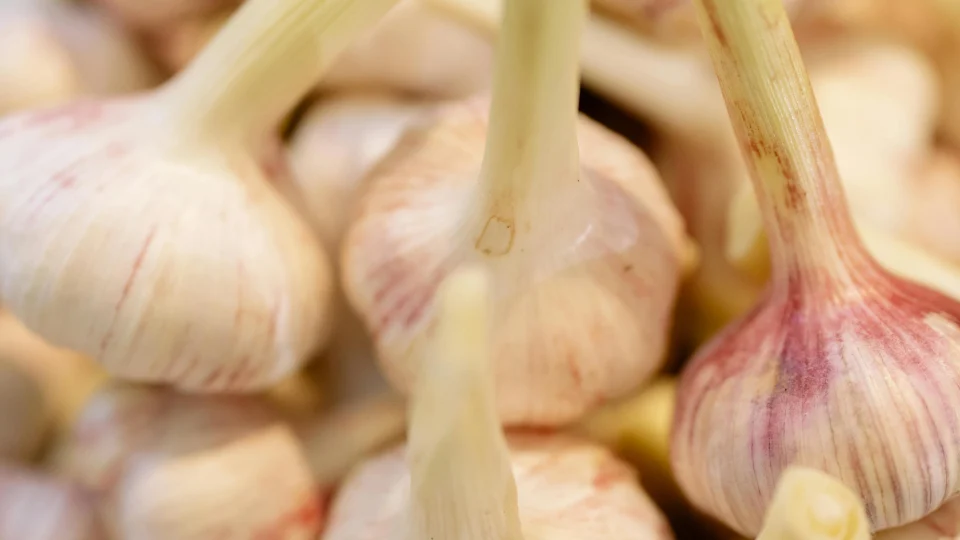
Allium plants, encompassing nearly 700 species including garlic (Allium sativum), onions (Allium cepa), and chives (Allium schoenoprasum), release a pungent sulfur-like scent from the chemical compound alliin when crushed or damaged. This odor clings to the entire plant, not just the roots, potentially deterring moles during their digging activities. The scent’s intensity increases upon contact, making alliums a humane, natural barrier.
- Garlic thrives in USDA Plant Hardiness Zones 4 through 9, tolerating a range of climates.
- Onions are hardy up to Zone 8, showing slightly less heat tolerance.
- Chives perform well in cooler conditions, hardy down to Zone 3.
For optimal growth, plant allium bulbs in sandy or loamy soil with good drainage to prevent bulb rot and fungal issues. Select sunny or partially shady locations. While effective as a repellent, the strategy’s success may vary based on mole population density and soil conditions— gardeners should monitor for persistent activity.
Complementary Methods to Manage Mole Infestations
Addressing moles often requires a multifaceted approach, as a heavy infestation may signal an abundance of their insect prey in the soil.
- Plant daffodils alongside alliums, as these bulbs may also be avoided by moles.
- Apply peppermint oil as a home remedy, which can be diluted and spread around tunnels.
- Install metal fencing buried at least one foot underground to block burrow expansion.
- Reduce grub and worm populations through soil treatments to naturally decrease mole attraction.
If these measures prove insufficient, consulting a professional pest control service is advisable. No verified statistics on allium efficacy rates are available, but anecdotal reports suggest it serves as a gentle nudge for moles to relocate without harm. How do you view the role of natural repellents like alliums in sustainable gardening practices?