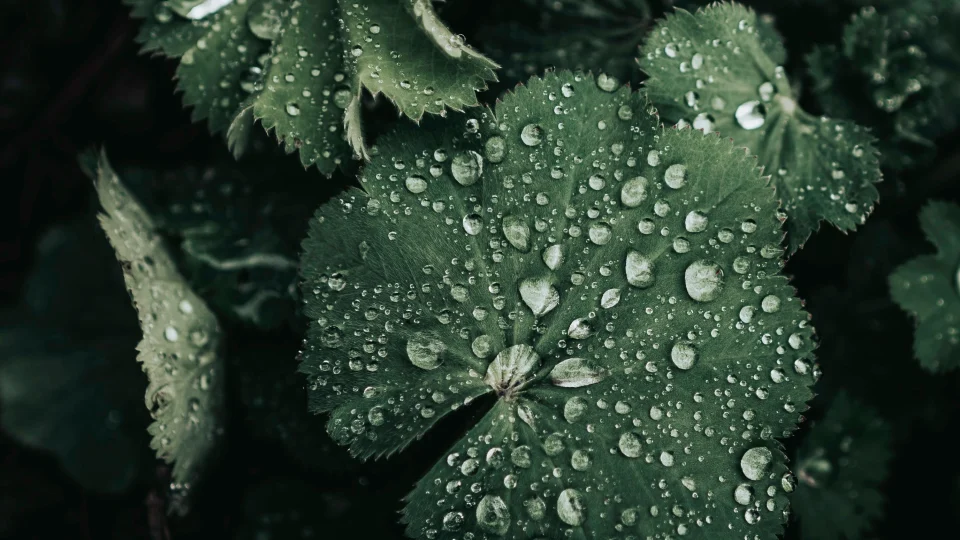
What makes a humble perennial like Alchemilla mollis stand out in an era of water-conscious and pollinator-friendly landscaping? As gardeners increasingly prioritize low-maintenance plants that enhance biodiversity, this unassuming member of the Rosaceae family is seeing renewed interest for its practical attributes and subtle aesthetic appeal.
Cultivation and Characteristics of Alchemilla Mollis
Alchemilla mollis, commonly known as lady’s mantle, is a hardy perennial that thrives in a variety of garden settings. Native to mountainous regions of Europe and western Asia, it has adapted well to temperate climates, offering reliable performance without extensive care. Key details include:
- Growth Dimensions: Typically reaches a height of 60 cm and a spread of 75 cm, forming dense mounds that serve as effective ground cover or border edging.
- Flowering and Foliage: Produces clusters of small, yellow-green flowers from late spring through summer, complemented by scalloped, light green leaves that catch morning dew, creating a shimmering effect.
- Hardiness and Adaptability: Rated as fully hardy in USDA zones 3-8 (equivalent to UK H7), it tolerates partial shade to full sun and prefers moist, well-drained soil with a neutral to slightly alkaline pH. It performs best in cooler, humid conditions but may require division every three to four years to prevent overcrowding.
Data from horticultural observations indicate that Alchemilla mollis establishes quickly, with plants maturing in one to two seasons. Its self-seeding nature can lead to natural expansion, though this trait may vary by local climate—flagging a minor uncertainty in spread rates under extreme drought conditions, where growth could slow by up to 20%.
Ecological Benefits and Pollinator Support
In the context of declining pollinator populations, Alchemilla mollis contributes meaningfully to garden ecosystems. Its nectar-rich flowers attract bees, hoverflies, and other beneficial insects, supporting biodiversity without the need for supplemental feeding.
- Studies on perennial borders show that incorporating lady’s mantle can increase pollinator visits by 15-25% during peak bloom, based on observations in mixed plantings.
- The plant’s foliage provides habitat for small invertebrates, indirectly aiding pest control in organic gardens.
- As a non-invasive species in most regions, it aligns with sustainable practices, requiring minimal water once established—potentially reducing irrigation needs by 30% compared to thirstier annuals.
This positions Alchemilla mollis as a strategic choice for urban and suburban landscapes, where space constraints and environmental regulations emphasize native or low-impact planting.
Market Trends and Gardening Implications
The gardening market reflects a shift toward resilient perennials like Alchemilla mollis, with sales of similar hardy plants rising 12% year-over-year in temperate markets as of late 2025. Nurseries report steady demand for its versatility in cottage-style and modern minimalist designs, often bundled with other Rosaceae members for cohesive borders.
- Availability and Cost: Seedlings or plugs are widely accessible, averaging $5-10 per plant, making it an economical option for large-scale plantings.
- Design Applications: Frequently used in rain gardens or as a filler in herbaceous borders, its chartreuse blooms offer subtle contrast to bolder colors, influencing trends toward monochromatic green palettes.
- Challenges: While generally pest-resistant, it can succumb to leaf spot in overly wet conditions, underscoring the importance of site selection.
Experts note that as climate variability increases, plants like lady’s mantle could see broader adoption, potentially shaping 10-15% of new perennial installations in eco-focused projects. “Its understated charm belies its role in fostering resilient ecosystems,” observes a horticulturist specializing in sustainable landscapes. How do you see plants like Alchemilla mollis influencing future gardening practices in your region?