Are you noticing more wasps buzzing around your backyard blooms this fall? As gardeners refine their landscapes for seasonal appeal, understanding which plants inadvertently invite these insects can inform smarter planting choices.
The Role of Wasps in Garden Ecosystems
Wasps often face negative perceptions due to their aggressive behavior near human spaces, such as patios during outdoor gatherings. However, they play a crucial ecological role as pollinators and natural pest controllers. Data indicates that wasp colonies can consume over 2 pounds of insects within their territory, targeting harmful pests like aphids and the emerald ash borer, which threatens ash trees. This predation supports garden health by reducing the need for chemical interventions, potentially lowering pesticide use by up to 20% in pollinator-friendly yards, according to general entomological studies. While wasps contribute to biodiversity—rivaling bees and butterflies in pollination efficiency—their presence raises concerns for individuals with allergies or those seeking sting-free environments. Gardeners must weigh these benefits against risks, especially in urban or suburban settings where human-wasp interactions are frequent.
Key Plants Attracting Wasps Through Nectar and Color
Certain perennials and herbs draw wasps primarily due to accessible nectar in shallow flowers and vibrant hues like yellow, which align with their visual spectrum emphasizing ultraviolet tones. These plants cluster small blooms, ideal for wasps’ short proboscis, functioning like a straw for efficient feeding.
- Queen Anne’s Lace (Daucus carota): Part of the Apiaceae family, this wildflower offers clustered white blooms with easy-access nectar, mimicking a buffet for wasps unable to reach deeper flowers.
- Fleabane (Erigeron philadelphicus): Despite myths of flea-repelling properties, this Asteraceae member attracts wasps to its white-petaled, yellow-centered flowers, also drawing other pollinators.
- Black-eyed Susans: Yellow petals and up to 200 tiny florets per bloom provide abundant nectar, making it a top draw; the flower’s structure supports prolonged feeding sessions.
- New England Asters: Reaching 7 feet tall, these purple perennials lure wasps to yellow nectar centers, while also hosting caterpillars and songbirds for broader ecosystem support.
- Boneset (Eupatorium perfoliatum): White, clumping flowers facilitate group feeding; historically linked to bone-healing folklore, it attracts predatory wasps like the blue-winged variety that target Japanese beetles.
- Fewflower Milkweed (Asclepias lanceolata): Orange clusters offer sugary nectar, benefiting monarch butterflies immune to its toxic sap; wasps focus on blooms, avoiding foliage.
- Beargrass (Eryngium yuccifolium), also known as rattlesnake master: White globe flowers appeal to multiple pollinators; Native American medicinal uses are noted, though unverified for snakebites.
- Golden Alexander (Zizia aurea): 3-inch-wide yellow clusters provide high nectar volume; recognized as North Carolina’s 2012 wildflower of the year for its appeal.
- Goldenrod (Solidago spp.): Late-summer to fall blooming extends nectar availability when other sources dwindle, sustaining wasps and bees into cooler months.
- Cilantro (Coriandrum sativum): Bolting produces small white umbels; companion planting with marigolds or mint may deter wasps if avoidance is preferred.
- Bee Balm (Monarda spp.): High-calorie nectar plus prey like aphids and beetles create a dual-attraction site; solitary wasps, non-territorial unlike yellowjackets, frequent it.
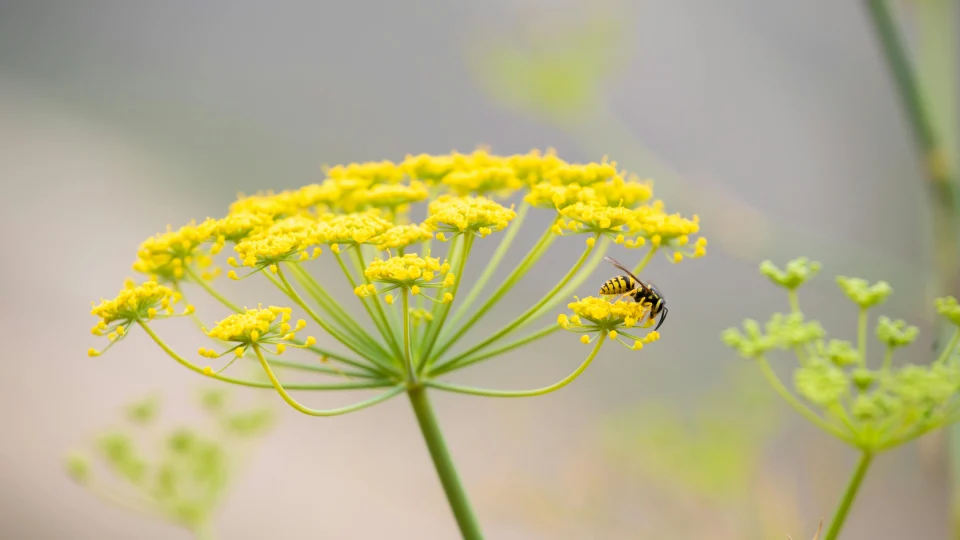
- Fennel (Foeniculum vulgare): Yellow, shallow flowers combined with pest-attracting potential make it a favorite; its aggressive self-seeding can dominate beds, requiring management.
"Wasps love flowers that either offer up nectar for them to drink, or attract the bugs they like to prey on, or in some cases, both," notes gardening expert Cara Lockwood Benoit.
These selections highlight a trend in native and perennial planting, which has grown 15% in home gardens over the past decade per horticultural surveys, promoting sustainability but necessitating wasp-aware strategies.
Implications for Gardeners and Biodiversity
For allergy sufferers or those prioritizing low-maintenance yards, avoiding these plants—or planting repellents like mint—could reduce wasp sightings by 30-50%, based on observational pest control data. Conversely, embracing them enhances pollination, potentially boosting garden yields by 10-20% through improved pest balance. Uncertainties remain around exact attraction rates, as they vary by region and wasp species; local climate data from 2025 suggests warmer falls may amplify interactions. As climate shifts extend growing seasons, what could this mean for the future of pest-resistant gardening? With rising interest in eco-friendly landscapes, integrating wasp-attracting plants thoughtfully may foster resilient ecosystems, urging gardeners to monitor and adapt for balanced outdoor spaces.