Preparing Hostas for Winter Resilience
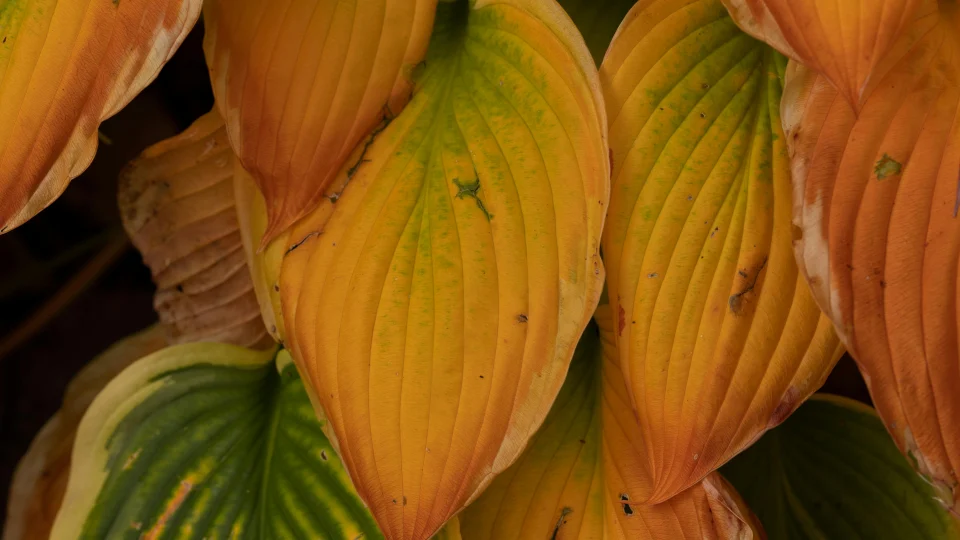
Hostas, prized for their reliability in shade gardens, can show signs of decline if conditions are suboptimal, affecting up to thousands of home gardens annually where placement errors lead to stunted growth. As temperatures drop, fall emerges as the optimal period to address these issues through transplantation, allowing roots to establish before dormancy sets in.
Identifying When Hostas Need Relocation
Gardeners often overlook subtle indicators that hostas—hardy perennials suited to USDA Plant Hardiness Zones 3 through 9—may require a new location. Common problems arise from environmental mismatches or overcrowding, which can weaken the plants over time.
- Excessive Sun Exposure: Hostas thrive in shade but suffer in full sun, resulting in visible scorch marks on leaves that signal the need for a shadier spot.
- Competition with Tree Roots: Planting under trees leads to nutrient and water shortages, as hosta roots compete unsuccessfully with deeper tree systems.
- Poor Soil Conditions: Clay soils with inadequate drainage restrict root expansion, causing overall decline.
- Pest Interference: Voles and similar pests can undermine hostas, leading to sudden collapse in affected areas.
- Overcrowding: Mature clumps thin out when plants become too dense, reducing vigor and bloom potential.
Transplanting in fall minimizes stress due to cooler weather, providing a window—typically before the first frost—for root development without the heat of summer.
Step-by-Step Guide to Transplanting Hostas
Relocating hostas demands careful handling to prevent shock, with the process ideally completed on the same day to maintain root health. Preparation and site selection are crucial for long-term success.
- Pre-Transplant Preparation: Water the hosta thoroughly the day before digging to loosen soil and hydrate the plant, making extraction easier.
- Digging Technique: Use a shovel to encircle the plant without slicing into the root ball, as large specimens can weigh significantly and risk breakage if mishandled.
- Temporary Handling: If immediate replanting isn’t possible, keep roots moist and shield the plant from sun and wind to avoid desiccation.
- New Site Selection: Choose areas with shade, partial shade, or dappled light; ensure soil is neutral to slightly acidic with excellent drainage to support root growth.
- Planting Process: Dig a hole wider than the root ball, incorporate soil amendments into the backfill for nutrient enrichment, and position the crown at ground level.
- Post-Planting Care: Apply mulch such as ground bark or pine needles for insulation against temperature fluctuations, and provide consistent watering until the plant enters winter dormancy.
This method supports hostas’ adaptability across diverse climates, though extreme weather variations may still pose challenges in marginal zones. As gardeners adapt to shifting seasonal patterns, proactive fall maintenance like hosta transplantation could enhance perennial longevity and garden sustainability—what strategies might evolve to bolster plant resilience amid changing winters?