The Garden Museum has already secured £145,000 toward the restoration of Benton End, the historic Suffolk garden pioneered by artist Sir Cedric Morris as the nation’s first naturalistic landscape, highlighting the ongoing commitment to preserving integrated art and horticulture spaces amid growing interest in biodiversity-focused heritage sites.
Reviving Benton End: A Blend of Art, History, and Ecology
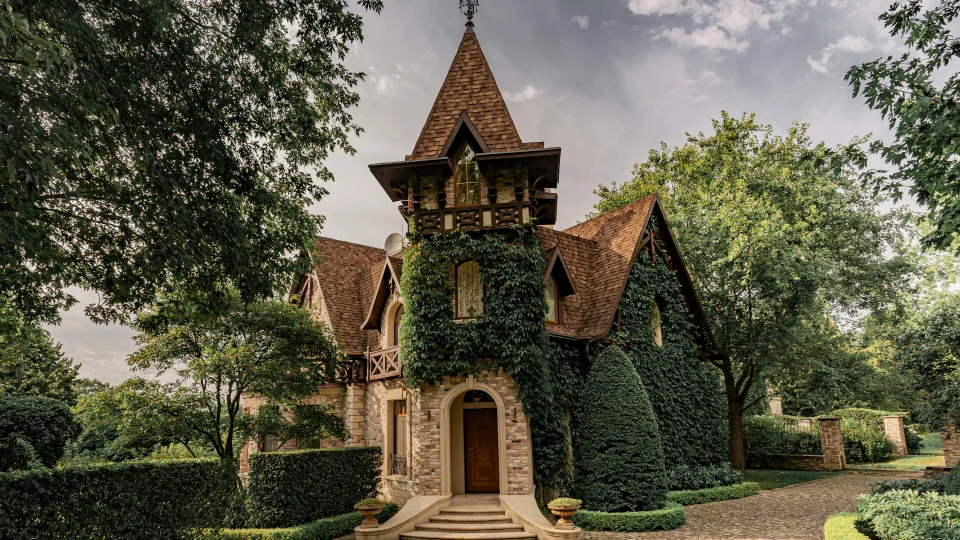
Benton End, a Tudor manor in Hadleigh, Suffolk, served as the lifelong home and creative hub for Sir Cedric Morris (1889–1982) and his partner, artist Arthur Lett-Haines (1894–1978). From the 1940s onward, the property functioned as the East Anglian School of Painting and Drawing, fostering an interdisciplinary environment where visual arts intertwined with experimental gardening. This unique model attracted notable figures, including writers Elizabeth David and Vita Sackville-West, floral designer Constance Spry, and composers Benjamin Britten and Peter Pears, underscoring its role in mid-20th-century cultural networks.
The site’s handover to the Garden Museum in 2021 marked a pivotal shift, averting potential loss of its dual significance as an artistic institution and horticultural landmark. Restoration efforts since then have emphasized structural rehabilitation while aligning with contemporary priorities like accessibility and ecological sustainability. Data from similar UK heritage projects indicate that such initiatives can enhance local biodiversity by up to 30% through native planting, though long-term monitoring at Benton End remains pending to verify outcomes.
Historical Context and Cultural Legacy
Cedric Morris’s garden at Benton End represented a departure from formal Edwardian designs, introducing a naturalistic approach that influenced modern British landscaping. Morris, known for his iris hybridizations—over 100 varieties bred on-site—created a wild, painterly space that mirrored his artistic style, blending bold colors and unstructured forms.
- Key historical elements include the walled garden, which once supported rare plant trials and served as a living canvas for Morris’s works.
- The site’s legacy extends to education, with the school training generations of artists until its closure in the 1980s, contributing to East Anglia’s reputation as a creative enclave.
- Societal impact: By integrating art and nature, Benton End exemplified early holistic environmentalism, predating today’s emphasis on cultural landscapes in UNESCO recognitions.
Fundraising Milestone and Restoration Progress
To complete the project, the Garden Museum is participating in the Big Give Christmas Challenge from December 2 to 9, targeting the remaining £40,000. This matched-funding mechanism could effectively double contributions, a strategy that has boosted similar UK charity campaigns by an average of 1.5 times in recent years, according to philanthropy reports. Progress to date includes:
- Reshaping and landscaping the walled garden to restore its original contours.
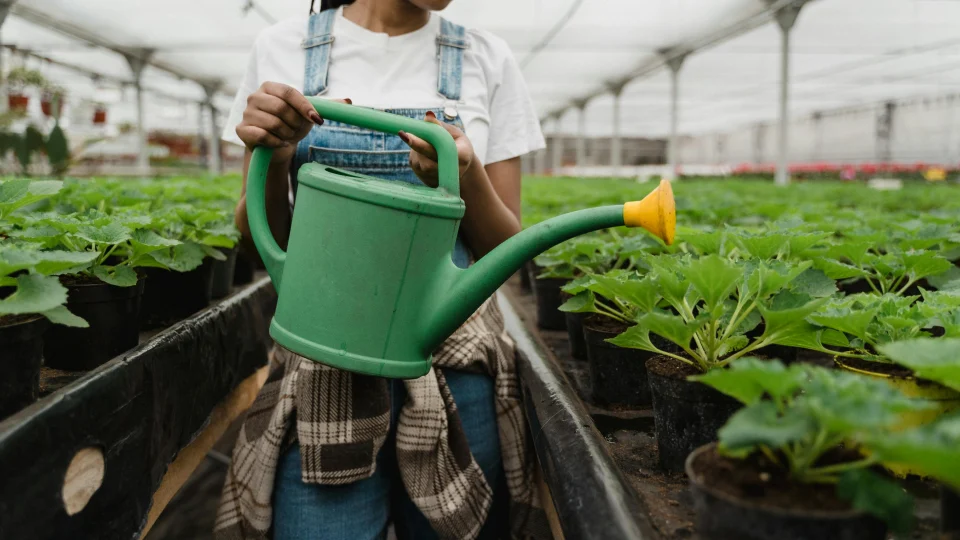
- Installing accessible paths to accommodate visitors with disabilities, promoting inclusivity in line with UK heritage accessibility standards.
- Repairing structural walls to prevent further deterioration from weathering.
“With your help, we will ensure the garden is accessible to all. All visitors, including those with additional needs and disabilities, will feel welcome, and able to enjoy the garden independently and at ease. We will maintain the biodiversity of the garden. The garden will be kept as a chemical-free garden, as it was in Cedric’s time, and will support a wide range of bird and insect species that have flourished while the garden has been left to grow wild, including five species unique to Suffolk,” the Garden Museum stated.
Future Phases and Broader Implications
Upcoming work focuses on enhancing usability and ecological value:
- Installing hanging gates and benches to improve navigation and rest areas.
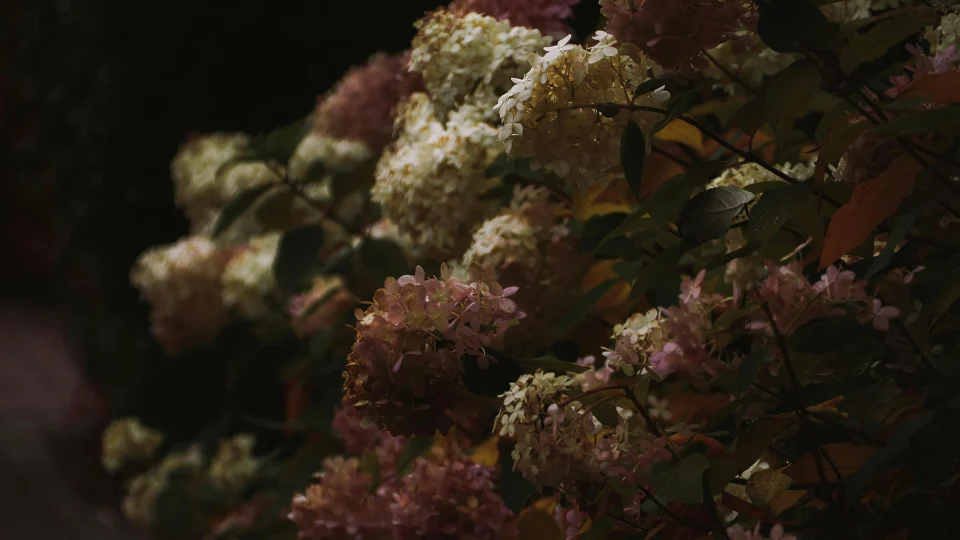
- Planting signature species such as Benton irises, poppies, and climbing roses over winter.
- Restoring the pond with aquatic plants to bolster wetland habitats.