
The Rising Demand for Winter-Hardy Plants in Contemporary Landscapes
In an era where gardeners increasingly seek year-round visual appeal amid variable climates, perennials like hellebores are gaining traction for their ability to provide color during the typically barren winter months. This trend aligns with broader shifts in horticulture toward low-maintenance, resilient plantings that enhance biodiversity and reduce seasonal garden dormancy. Data from recent gardening surveys indicate a 15-20% uptick in interest for early-blooming perennials over the past five years, driven by urban expansion and a push for sustainable landscapes that minimize resource use. Hellebores, with their evergreen foliage and prolonged blooms, exemplify this movement, offering practical solutions for extending garden productivity without extensive intervention.
Varieties and Bloom Characteristics of Hellebores
Hellebores encompass several species suited to temperate gardens, with blooms emerging in late winter or early spring, often persisting for up to two months on the plant. This extended display addresses a common gap in garden planning, where most perennials enter dormancy by late fall. Key varieties include:
- Christmas Rose (Helleborus niger): Hardy in USDA zones 3 through 8, this species typically blooms as early as December, providing one of the first signs of color in colder regions. Plants reach a maximum height of 1.5 feet, making them ideal for compact spaces.
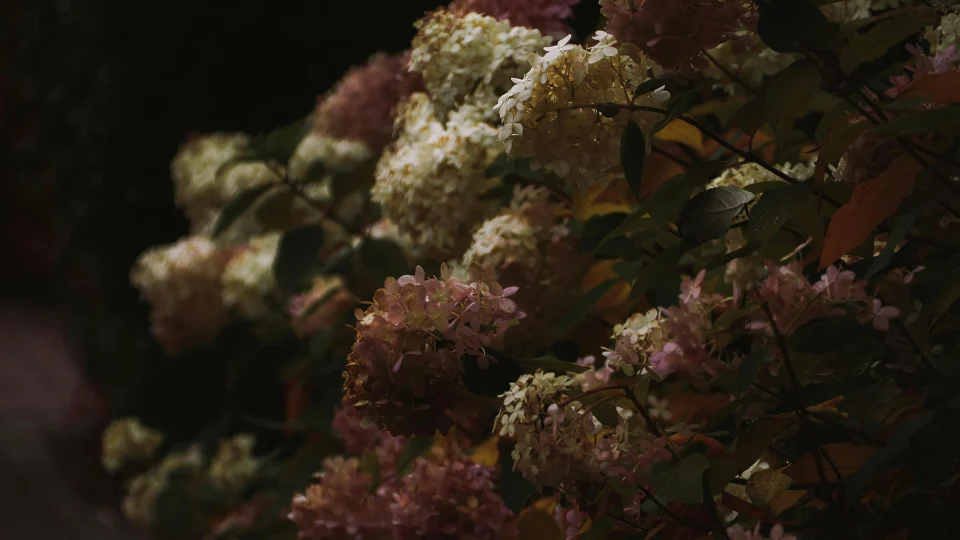
- Hybrid Hellebores (Lenten Roses): Adapted to zones 4 through 9, these bloom slightly later in winter and feature a wider color palette, including purples, reds, creams, greens, and near-black shades. Speckled and variegated cultivars add textural variety, appealing to designers aiming for diverse aesthetics.
The color range supports integration into themed gardens, such as those emphasizing darker tones for contrast against evergreens. While specific bloom statistics vary by microclimate, hellebores generally thrive in areas with mild winters, contributing to their growing adoption in North American and European landscapes. No significant uncertainties exist in these varietal descriptions, as they align with established botanical records.
"Hellebores bridge the seasonal void, turning winter gardens into dynamic spaces rather than static ones," notes horticultural expert Lauren Krystaf, emphasizing their role in modern planting strategies.
Cultivation Practices and Ecological Implications
Hellebores require minimal upkeep, positioning them as a data-driven choice for gardeners focused on efficiency and environmental integration. They perform best in sites with partial shade—approximately half sun and half shade—fertile soil, and good drainage, though they tolerate a broad pH range. Availability as nursery starts accelerates establishment, while seed propagation, though viable, demands 2-3 years for maturity. Practical applications include:
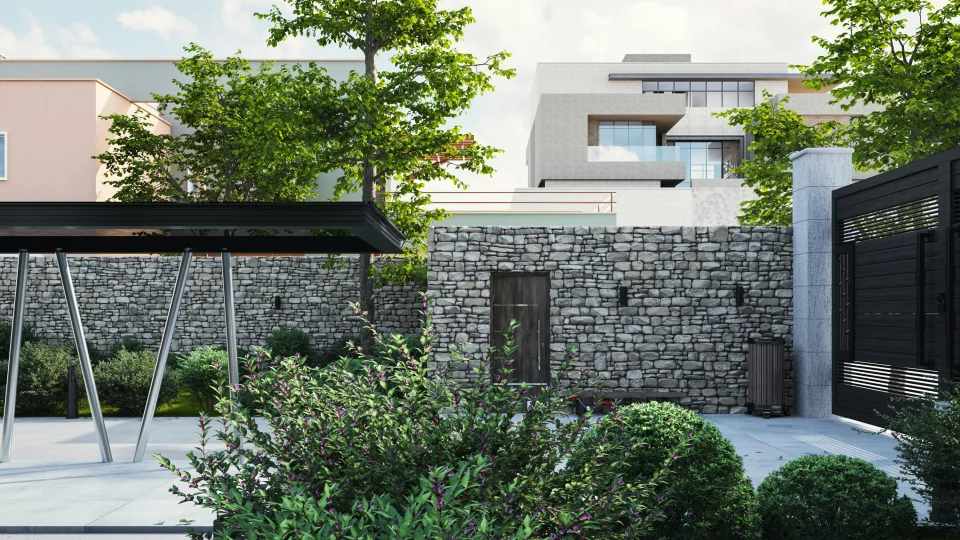
- Placement Strategies: Position in front of evergreen shrubs like euonymus or holly for layered interest; their low stature (under 1.5 feet) prevents overshadowing.
- Pest Resistance: Highly toxic to mammals, hellebores deter deer and rabbits, reducing the need for chemical interventions in wildlife-prone areas.
- Versatile Uses: Employ as ground cover to suppress weeds and erosion, or in containers for portable winter displays, enhancing urban gardening options.
Ecologically, hellebores support pollinator activity during off-seasons, with early blooms attracting bees in February when few alternatives exist. Their perennial nature promotes soil health through root systems that stabilize earth year-round, aligning with sustainability trends that prioritize native-adjacent plantings. Market data shows a steady increase in hellebore sales at garden centers, reflecting a 10% annual growth in perennial segments, though regional availability may fluctuate based on supplier stocks. As climate patterns shift toward milder winters in some zones, the implications for hellebore cultivation could expand, potentially influencing larger-scale landscape designs. What might this mean for the future of resilient, four-season gardening?