The Growing Appeal of Indoor Berry Production
As urban living and seasonal limitations challenge traditional outdoor gardening, indoor cultivation of fruits like strawberries has gained traction among home gardeners. This shift aligns with broader horticultural trends toward self-sufficiency and sustainable food production, particularly in temperate regions where winter restricts outdoor yields. Recent guidance emphasizes practical methods for maintaining strawberry plants indoors, enabling consistent harvests without relying on commercial imports. This approach not only reduces grocery dependency but also supports environmental goals by minimizing transport-related carbon emissions, though scalability for larger yields remains limited by space constraints.
Selecting Varieties Suited for Indoor Environments
Choosing the right strawberry variety is crucial for success in controlled indoor settings, where natural pollination and climate mimicry differ from outdoor conditions. Day-neutral varieties, which produce fruit continuously under stable temperatures, outperform seasonal types in these scenarios.
- Day-Neutral Options: Cultivars such as ‘Albion’ and ‘Everest’ are recommended for their flavor and adaptability, yielding berries as long as temperatures stay below optimal heat thresholds (typically under 75°F to avoid stress).
- Everbearing Alternatives: Varieties like ‘Ozark Beauty’ and ‘Rockhill’ offer multiple harvests per season, suitable for container growth, though they produce fewer berries overall compared to day-neutral types.
- Ornamental Choices: For aesthetic appeal, ‘Summerbreeze Rose’ and ‘Ruby Ann’ combine pink blooms with fruiting, enhancing indoor decor while maintaining productivity.
These selections align with USDA Plant Hardiness Zones 3-9 preferences for outdoor growth but adapt well to ambient home temperatures (around 65-75°F), provided drafts are minimized. June-bearing varieties, which fruit only once annually, are generally discouraged for indoors due to their limited output.
Optimizing Containers, Soil, and Care for Sustained Yields
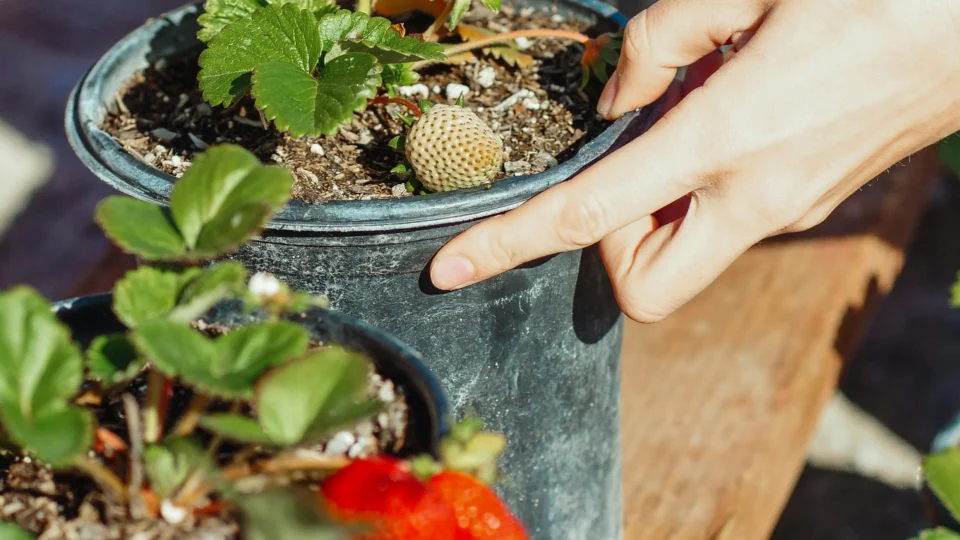
Effective indoor strawberry growth hinges on replicating shallow-rooted plants’ needs through proper setup and maintenance. Strawberries require horizontal space rather than depth, with roots typically extending no more than 6-8 inches.
- Container Specifications: Opt for pots at least 12 inches wide and 8 inches deep to accommodate 2-3 plants spaced 8 inches apart, promoting air circulation and root expansion.
- Soil and Nutrition: Use well-draining potting mixes that retain consistent moisture, as shallow roots are prone to drying out. Incorporate balanced fertilizers—either premixed in starter soils or added separately—to support vegetative and fruiting stages.
- Lighting and Pollination: Position plants near south-facing windows for 12-14 hours of daily light, or supplement with LED grow lights during shorter winter days. Manual pollination using a soft tool like a Q-tip across flowers is essential, compensating for the absence of outdoor pollinators.
Starting with dormant or live plants from nurseries is preferable over seeds, which often require cold stratification (a 4-6 week chilling period at 32-41°F) that complicates indoor timelines. Availability of preferred cultivars may vary seasonally, potentially limiting options outside spring planting periods. While these methods can yield fresh berries year-round, individual results depend on microclimate variations; users in overly humid or dry homes may need to adjust humidity levels (ideally 50-70%) to prevent fungal issues. This indoor strategy underscores a practical evolution in home horticulture, potentially influencing urban agriculture by encouraging compact, low-water food systems. How do you see indoor strawberry cultivation shaping personal or community gardening practices in the coming years?