Enhancing Backyard Ecosystems Through Simple Wildlife-Friendly Practices
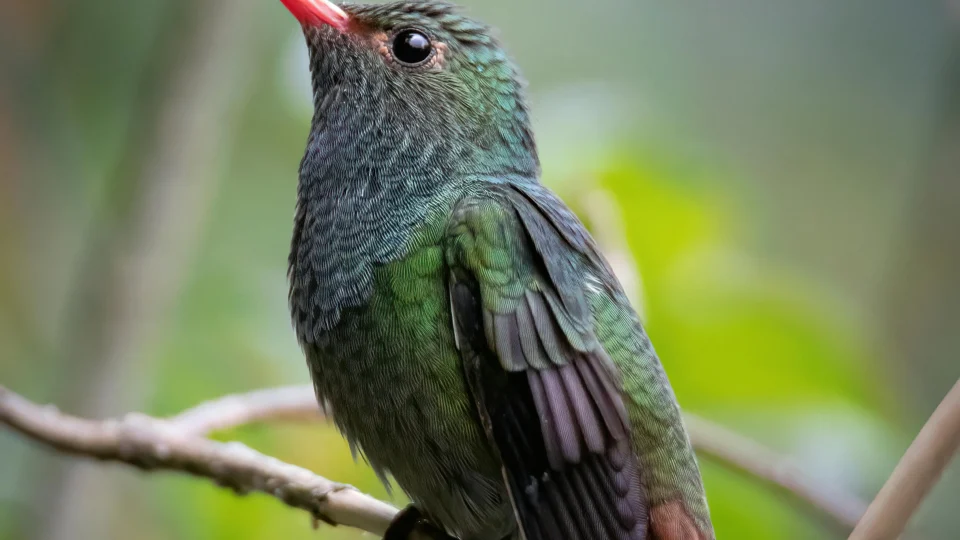
In a typical suburban yard, the sight of a vibrant hummingbird darting between flowers can transform a routine garden into a lively sanctuary. Yet, as urban development fragments natural habitats, these tiny birds increasingly rely on human-managed spaces for survival. Recent gardening insights highlight a straightforward, no-cost strategy: retaining dead tree branches, or snags, to support hummingbird activity. This approach not only aids pollination and biodiversity but also aligns with broader trends in sustainable landscaping.
The Role of Snags in Hummingbird Behavior and Habitat Needs
Hummingbirds, known for their rapid wingbeats and nectar-dependent diets, face unique challenges in mobility and resting. Unlike many birds, they possess disproportionately small feet relative to their body size, an evolutionary adaptation that prioritizes flight efficiency over ground movement. This limits their ability to walk or hop effectively, making elevated perches essential for resting, digestion, and preening.
- Perching for Rest and Observation: Bare twigs on snags provide ideal spots for hummingbirds to pause after feeding, conserving energy during their high-metabolism routines. These perches allow birds to scan for food sources or threats without expending additional flight effort.
- Acoustic Benefits for Mating: Hollow structures in dead trees amplify the songs of male hummingbirds during breeding seasons, potentially increasing mating success rates in fragmented habitats.
- Feather Maintenance: Hummingbirds use these branches to clean and align their feathers, maintaining aerodynamic efficiency crucial for their hovering capabilities.
Data on hummingbird reliance on such features remains observational, with no large-scale quantitative studies cited, though anecdotal evidence from wildlife observers underscores their importance. In areas with declining snag availability due to routine yard cleanups, this practice could mitigate habitat loss, supporting populations that pollinate up to 20% of flowering plants in some ecosystems.
"Snags are typically hollow with good acoustics that give male birds a way to amplify their song during mating season," notes gardening expert Cara Lockwood Benoit, emphasizing the multifunctional role of dead wood.
Practical Implementation and Safety Considerations in Home Gardens
Integrating snags into gardens requires balancing wildlife benefits with human safety and property maintenance. While dead trees offer natural advantages, they must not pose risks such as falling limbs near structures.
Safety Protocols and Removal Guidelines
Prioritizing hazard assessment is key. If a snag threatens buildings, pathways, or individuals, professional removal is recommended to prevent accidents. Certified arborists can evaluate stability, identifying issues like root decay or structural weakness that might indicate underlying pests or diseases.
- Consult local experts for inspections, especially in regions prone to storms where weakened trees are common.
- Limit snag retention to no more than three per acre to avoid over-densification, which could harbor excessive insects or fire risks without proportional wildlife gains.
Uncertainties exist around exact snag density impacts, as guidelines vary by ecosystem; the three-per-acre rule serves as a general benchmark from conservation practices.
Cost-Free Alternatives for Hummingbird Attraction
For yards without suitable snags, salvaged branches provide viable substitutes, promoting the backyard rewilding trend that emphasizes minimal intervention for maximum ecological return.
- Vertical Branch Installation: Secure a single dead twig upright near nectar feeders to create a territorial perch, though this may spark brief conflicts among males.
- DIY Perch Enhancements: Repurpose small branches into simple swings using basic materials like wire, positioned in shaded or open areas to cater to female (hidden) and male (exposed) preferences.
These methods extend beyond hummingbirds, benefiting other species like insects and cavity-nesting birds, fostering resilient garden biodiversity. As climate shifts alter migration patterns, such adaptations could enhance local resilience, with implications for reduced reliance on supplemental feeders that require ongoing maintenance. How do you view the integration of natural features like snags in your own gardening routine, and what impacts do you anticipate for local wildlife?