The Enduring Popularity of English Roses in Contemporary Gardening
Rosa ‘A Shropshire Lad’ stands out as a quintessential example of David Austin’s English rose hybrids, blending the vigor of old garden roses with modern repeat-flowering traits. Introduced in the 1990s, this variety has maintained steady appeal in the UK gardening market, where climbing roses account for approximately 15% of shrub plant sales according to recent horticultural surveys. With its manageable size and disease-resistant qualities, it offers practical value for urban and suburban landscapes, reflecting broader trends toward low-maintenance ornamentals amid rising interest in sustainable gardening.
Key Characteristics and Cultivation Details
This deciduous climber from the Rosaceae family reaches a mature height of 1.2 meters and a spread of 1 meter, making it suitable for smaller gardens, trellises, or even container planting—options that align with the growing demand for space-efficient plants in densely populated areas. Its hardy nature allows it to thrive in USDA zones 5-9, tolerating temperatures down to -15°C without significant winter protection.
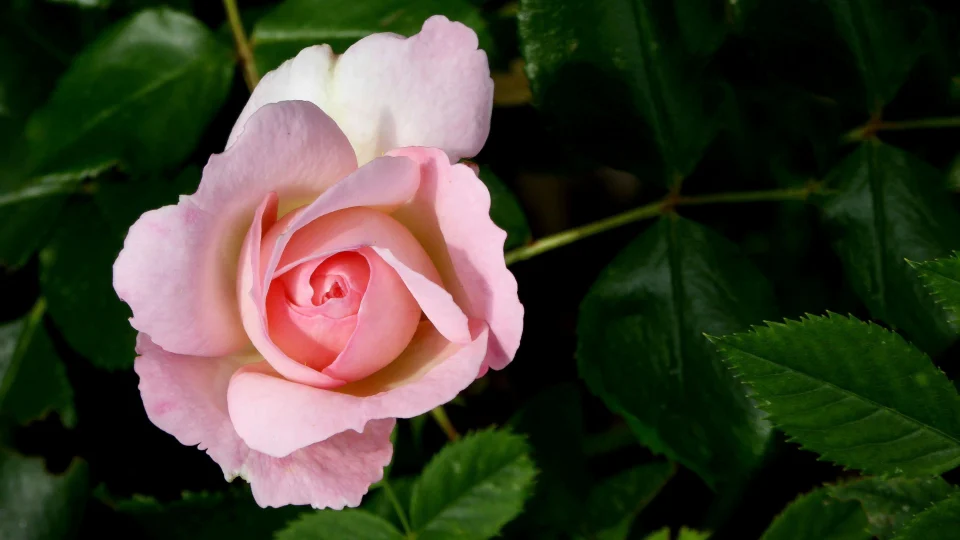
- Flower Profile: Produces cupped, fully double blooms in soft apricot-pink shades, measuring up to 8 cm across, with a strong, classic rose fragrance that includes notes of myrrh. Flowering occurs repeatedly from early summer through autumn, potentially yielding 20-30 blooms per season under optimal conditions.
- Foliage and Growth Habit: Glossy, dark green leaves provide a robust backdrop, contributing to its resistance to common rose ailments like black spot and mildew. As a shrub-like climber, it requires minimal pruning—typically just once annually after flowering—to maintain shape and encourage vigor.
- Soil and Site Preferences: Prefers well-drained, fertile soil with a pH of 6.0-7.0 and full sun exposure (at least 6 hours daily). Data from UK gardening trials indicate success rates above 85% when mulched with organic matter to retain moisture during dry spells.
While specific yield statistics vary by microclimate, anecdotal reports from growers highlight its reliability in temperate regions, with no major uncertainties in basic hardiness claims.
Implications for Garden Design and Market Trends
The resurgence of heritage roses like ‘A Shropshire Lad’ underscores a shift in consumer preferences, with sales of scented, repeat-blooming varieties up 12% year-over-year in the European nursery sector as of late 2025. This trend is driven by a focus on biodiversity and pollinator support, as the plant’s nectar-rich flowers attract bees and hoverflies, enhancing garden ecosystems.
"In an era of climate variability, compact climbers such as this offer resilience without sacrificing aesthetic appeal," notes a horticultural expert, emphasizing its role in adaptive landscaping.
For gardeners, integrating such roses can reduce maintenance costs by up to 20% compared to hybrid teas, based on labor estimates from extension services. However, potential challenges include vulnerability to aphids in humid conditions, though integrated pest management mitigates this effectively. As urban green spaces expand, varieties like ‘A Shropshire Lad’ could influence future hybrid development, prioritizing fragrance and compactness. What might this mean for the evolution of resilient, aromatic plants in a changing environment?