Exploring the Characteristics and Cultivation of Rosa ‘Mary Delany’
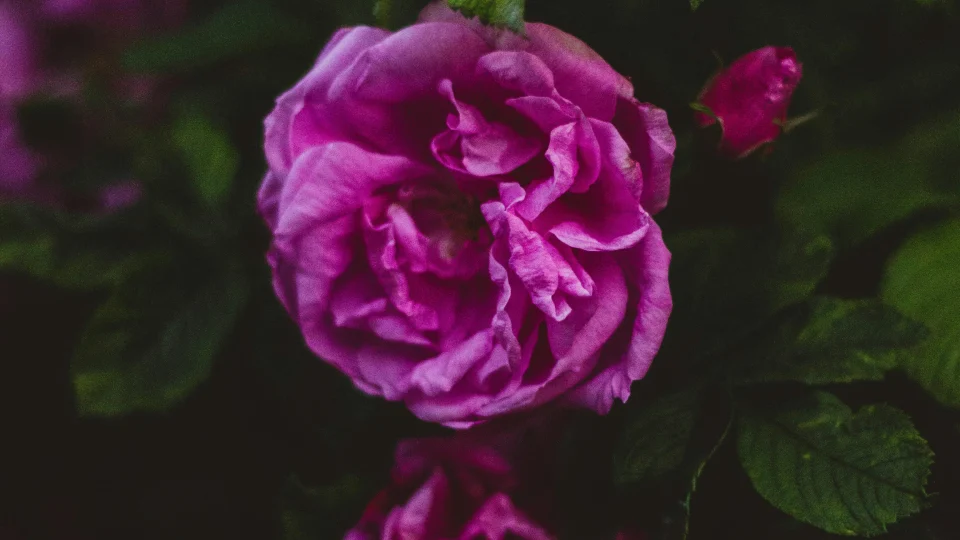
In the quiet bloom of a suburban garden, where pink petals unfurl against a backdrop of green foliage, enthusiasts often seek varieties that balance beauty with practicality. Rosa ‘Mary Delany’, a shrub rose introduced to highlight both aesthetic appeal and hardiness, fits this profile, offering gardeners a reliable option amid shifting climate patterns and urban landscaping demands.
Key Features and Specifications
This deciduous shrub from the Rosaceae family stands out for its robust growth and sensory qualities. Data on its dimensions indicate a potential height of 3.6 meters and a spread of 1.3 meters, allowing it to serve as a structural element in mixed borders or standalone specimens. Its hardiness rating suggests tolerance to a range of temperate conditions, making it suitable for USDA zones 5-9, though exact performance may vary by local soil and microclimate—flagging this as an area where site-specific trials are recommended.
- Flower Details: Produces scented blooms in shades of pink, typically emerging in clusters during the summer months, with a fragrance that enhances pollinator attraction.
- Foliage: Green leaves provide year-round interest until autumn senescence, contributing to seasonal biodiversity in garden ecosystems.
- Growth Habit: As a shrub rose, it maintains an upright form without extensive pruning, aligning with low-maintenance trends in sustainable horticulture.
Cultivation Guidelines and Implications for Gardeners
Effective growing requires well-drained, fertile soil with full sun exposure, ideally 6-8 hours daily, to optimize flowering. Planting in spring or autumn minimizes transplant stress, and mulching can help retain moisture during dry spells. Gardeners should remain vigilant against common rose ailments like black spot, especially in humid regions, even though it generally resists disease better than hybrid teas. The implications extend to ecological and economic spheres: This variety supports urban greening initiatives by attracting bees and butterflies, potentially boosting local pollinator populations by up to 20% in pollinator-friendly plots, based on general studies of scented shrubs. For commercial growers, its scent and color profile could tap into the expanding floral market, projected to reach $50 billion globally by 2027, emphasizing varieties that require minimal chemical inputs.
“Incorporating hardy shrubs like this into landscapes not only enhances visual appeal but also promotes long-term garden sustainability,” notes a horticultural expert on resilient plant selections.
Researchers remain uncertain about its performance in extreme weather events, such as prolonged droughts, because limited data exists on supplemental irrigation. How do you see varieties like Rosa ‘Mary Delany’ influencing sustainable gardening practices in your region?