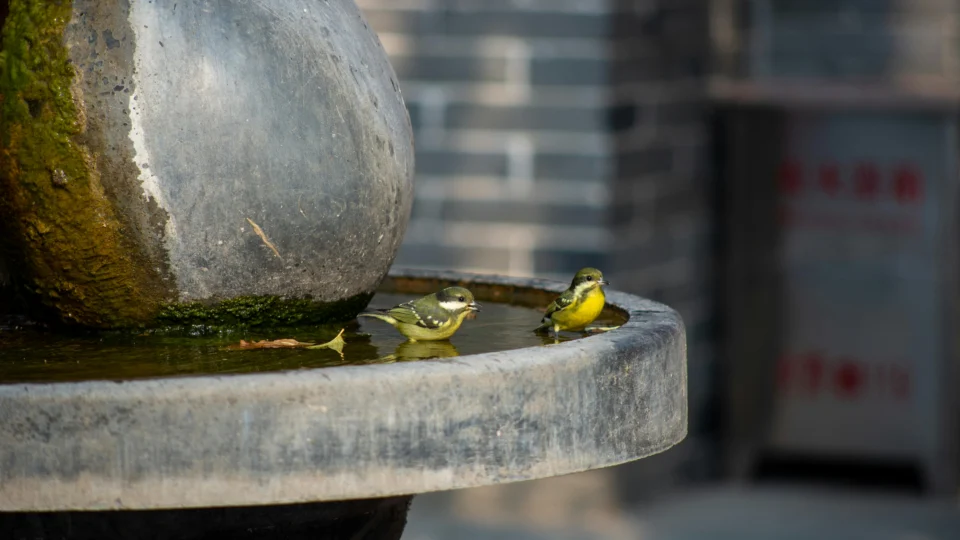
Imagine a serene backyard where the chatter of chickadees and titmice fills the air, not from scattered seeds under a feeder, but from the gentle ripple of a simple water basin. As urban and suburban landscapes increasingly prioritize low-maintenance wildlife support, gardeners are turning to water sources to draw in birds, sidestepping the cleanup associated with traditional feeding methods. This approach, gaining traction amid broader trends in eco-friendly landscaping, offers a practical way to enhance biodiversity without ongoing mess or unintended plant proliferation.
Enhancing Backyard Biodiversity Through Water-Centric Strategies
In regions with arid climates or limited natural water access, providing reliable hydration points can significantly boost avian visits. Birds, including ground-foragers like sparrows and thrushes, naturally seek out shallow puddles for drinking and bathing, making ground-level setups particularly effective. This method aligns with conservation efforts to support migratory and local species, potentially increasing bird populations in fragmented habitats by up to 20-30% in well-managed yards, based on general wildlife gardening studies—though specific long-term data for water-only attractions remains limited and warrants further observation. Safety remains a critical factor in these setups. Birds prioritize escape routes from predators, favoring open areas around water with nearby perches for vigilance. Shaded spots from trees or shrubs not only prevent rapid evaporation but also provide cover, reducing stress and encouraging repeated visits. In dry environments, such features can serve as vital oases, mitigating the impacts of climate variability on wildlife hydration needs.
Selecting and Positioning Effective Water Sources
Opting for non-traditional containers can make bird attraction more accessible and cost-effective. Rather than purchasing ornate pedestal baths, which often feature depths exceeding comfortable levels or slippery edges, repurposed household items prove versatile:
- Garbage can lids, offering wide, shallow surfaces ideal for multiple birds.
- Flower pot saucers, providing a stable, low-profile option that blends into garden beds.
- Cake pans, which can be elevated slightly on bricks for better visibility and access.
These should hold 2-3 inches of water, augmented with stones or sticks to create stable perches and prevent drowning risks. Placement near but not under dense foliage ensures birds can scan for threats while enjoying the resource. In analytical terms, this setup minimizes habitat disruption, supporting a balanced ecosystem where birds contribute to pest control and pollination without supplemental feeding. Uncertainties arise in varying regional climates; for instance, in consistently humid areas, evaporation may be less of a concern, but mosquito proliferation could offset benefits if maintenance lapses.
Maintenance Protocols for Long-Term Avian Health
Routine upkeep is essential to sustain appeal and prevent health issues. Stagnant water not only attracts insects like mosquitoes but can harbor avian pathogens, potentially deterring visits or spreading diseases. Key practices include:
- Refreshing water every two days to maintain freshness and oxygenation.
- Cleaning with a mild solution of one part vinegar to nine parts water, avoiding harsh chemicals that could harm birds or surrounding plants.
- Incorporating motion, such as solar-powered fountains, to aerate the water and mimic natural streams, which studies suggest increases bird engagement by making the feature more visible and appealing.
These steps align with broader implications for sustainable gardening, reducing resource waste compared to seed-based methods that often lead to 40-50% spillage in typical feeders. By focusing on water, gardeners indirectly promote native plant health through natural bird behaviors, like seed dispersal from foraged insects, fostering resilient landscapes amid urbanization pressures. As water-focused bird attraction gains ground in home horticulture, it underscores a shift toward minimal-intervention wildlife support. How do you see such low-maintenance strategies influencing biodiversity in your local green spaces?