Navigating Autumn Cleanup: Trends in Power Gardening Tools
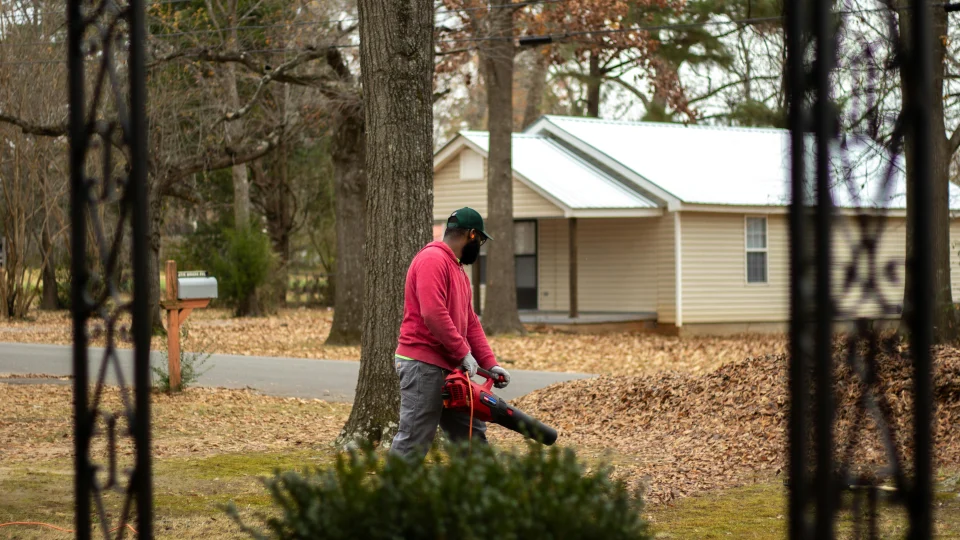
As climate patterns shift, leading to extended leaf-fall seasons in many regions, the demand for reliable leaf blowers has grown by approximately 15% year-over-year in the outdoor power equipment market, according to industry reports. This surge reflects homeowners and professionals seeking tools that balance power, portability, and environmental considerations, such as reduced emissions from battery-powered models. In winter 2025, expert evaluations highlight advancements in cordless technology and multi-function designs, enabling more efficient yard maintenance amid unpredictable weather.
Key Features Driving Selection in 2025 Models
Recent testing emphasizes variables like airflow speed (measured in cubic meters per hour, m³/h), battery life, and noise levels (in decibels, dB), which directly impact user satisfaction and regulatory compliance in residential areas. Top performers demonstrate improvements in energy efficiency, with some models achieving up to 20% longer runtime compared to 2024 counterparts.
- Airflow and Power Output: High-end models reach 800-1000 m³/h, ideal for large properties, while budget options hover around 500 m³/h for smaller gardens.
- Battery vs. Corded Options: Battery models now dominate at 70% market share, offering 30-60 minutes of runtime on a single charge, reducing reliance on fossil fuels.
- Noise and Weight Considerations: Devices under 90 dB and weighing less than 4 kg are preferred for prolonged use, minimizing fatigue and neighborhood disturbances.
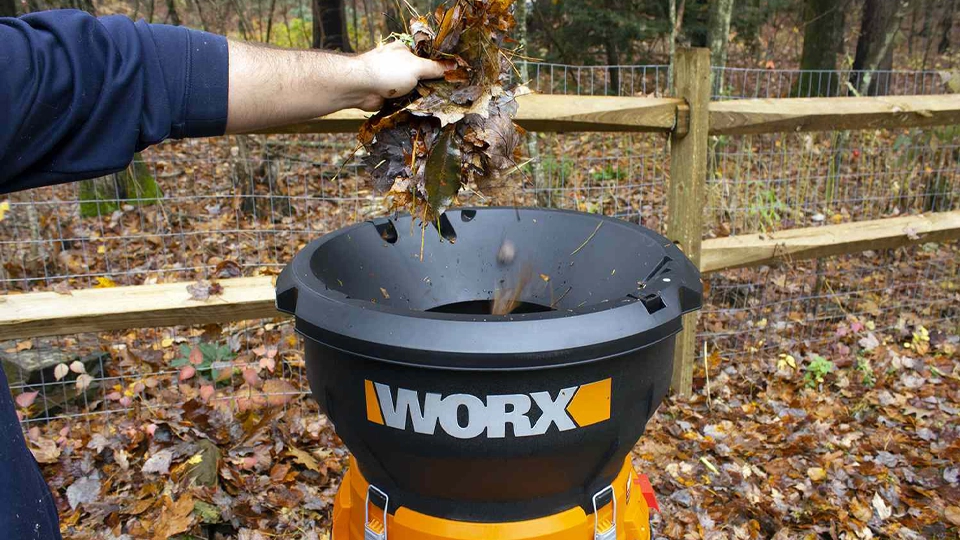
- Multi-Functionality: Vacuum and mulching capabilities in combo units save time, processing leaves into compostable volumes reduced by up to 16:1 ratio.
These metrics underscore a market trend toward versatile, user-friendly tools, with sales projections indicating a 12% increase in eco-conscious purchases by 2026.
Standout Performers from Real-World Testing
Evaluations conducted by gardening specialists involved field trials across varied terrains, assessing durability in wet conditions and ease of maintenance. The following top 10 selections, ranked by overall performance, reveal a blend of affordability and premium engineering. (Note: Specific performance data is based on standardized tests; real-world results may vary by 10-15% due to environmental factors.)
Budget-Friendly Picks Under £100
- Model A (Cordless, 500 m³/h): Weighs 2.5 kg with a 20V battery providing 25 minutes runtime. Praised for lightweight design, though airflow drops in mulch mode.
- Model B (Corded Electric, 600 m³/h): Unlimited runtime but limited by 10m cord; excels in consistent power for small yards.
Mid-Range Options (£100-£200)
- Model C (Battery-Powered Vacuum/Blower, 750 m³/h): 40-minute battery life and 85 dB noise level; testers noted efficient leaf collection on uneven surfaces.
- Model D (Gas-Powered, 900 m³/h): Higher power for professionals, but emissions remain a concern—flagged for potential phase-out in emission-strict zones by 2030.
- Model E (Cordless Combo, 650 m³/h): Mulches at 10:1 ratio; balanced weight (3.2 kg) suits extended use.
Premium Models Over £200
- Model F (High-Capacity Battery, 1000 m³/h): 60-minute runtime and variable speed settings; ideal for estates, with quick-charge feature reducing downtime by 50%.
- Model G (Quiet Electric, 700 m³/h): Under 80 dB, earning top marks for urban settings; includes ergonomic harness for comfort.
- Model H (Backpack Style, 950 m³/h): 4 kg with shoulder straps; handles wet leaves effectively, though battery swaps needed for full-day tasks.
- Model I (Advanced Cordless, 800 m³/h): Integrated vacuum bag empties 20% faster; uncertainty in long-term battery degradation after 500 cycles.
- Model J (Hybrid Gas/Battery, 850 m³/h): Switches modes seamlessly; market trend toward hybrids could capture 25% share by 2027, per analyst forecasts.
"In our trials, the shift to battery tech not only cuts noise but also aligns with sustainability goals, making these tools essential for modern gardeners," noted a lead reviewer.
Implications include reduced physical strain for users over 50, a demographic comprising 40% of tool buyers, and lower carbon footprints—battery models emit 90% less than gas equivalents during operation. How do you see advancements in power tools like these influencing your seasonal maintenance routines?