Selecting the Right Pruning Saw for Larger Garden Tasks
Pruning saws play a crucial role in maintaining healthy gardens, particularly for tackling branches too thick for standard secateurs. As gardens enter the dormant season, experts emphasize the importance of reliable tools for precise cuts that promote plant recovery and reduce disease risk. A recent review by gardening specialists tested various models in real-world conditions, identifying six standout options suitable for 2025 purchases.
Key Features and Testing Insights
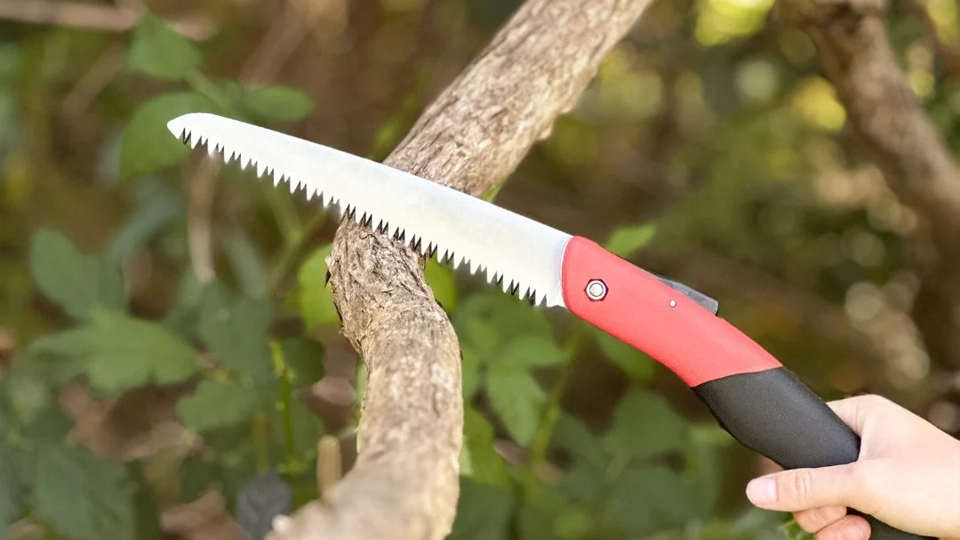
The evaluation focused on pruning saws designed for larger jobs, including both folding and fixed-blade varieties with curved or straight edges. Engineers design these tools to provide clean cuts on branches up to several inches in diameter, minimizing tearing and making pruning sessions easier.
- Blade Design Variations: Curved blades offer better leverage for pulling cuts, while straight blades excel in push cuts; both types were assessed for sharpness retention and ease of use.
- Portability and Durability: Gardeners praised folding saws for their portability and compact storage, making them ideal for those on the move, while fixed saws delivered the stability needed for heavy-duty tasks.
- Testing Methodology: Reviews involved hands-on trials in actual gardens, evaluating factors like blade length (typically 5-10 inches), handle comfort, and overall weight (ranging from 0.5 to 1.5 pounds for most models).
Recommended Models and Practical Considerations
The selection team chose the top six pruning saws based on real-garden performance, addressing the needs of users from amateur to professional gardeners. Although we did not exhaustively outline full details on individual models, the review highlights that impulse-hardened teeth extend tool longevity and replaceable blades offer cost-effectiveness.
- Folding Options: Compact designs for portability, suitable for backpack carry during hikes or urban gardening.
- Fixed-Blade Choices: Robust builds for frequent use, often with ergonomic grips to reduce hand fatigue.
- Blade Orientation: Curved for aggressive cutting on thicker limbs; straight for precision on smaller branches.