Assessing the Safety of Window-Mounted Feeders for Hummingbirds
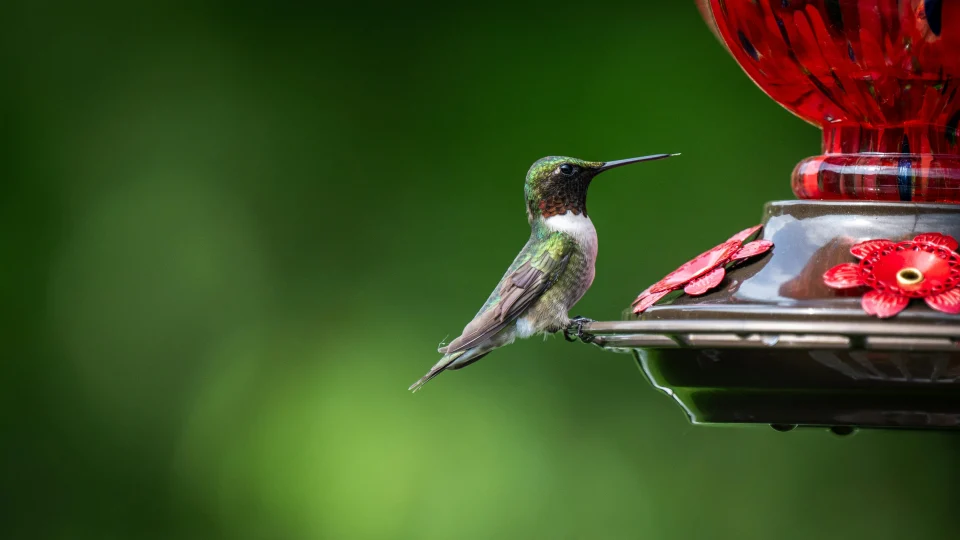
Have you ever positioned a feeder right outside your window to enjoy the spectacle of hummingbirds up close, only to wonder if it might do more harm than good? As interest in backyard wildlife conservation grows, window-mounted hummingbird feeders have become a popular choice for gardeners seeking to support pollinators and migratory birds. However, emerging observations from ornithological studies highlight potential risks, including territorial conflicts and collision hazards, that warrant careful consideration for their use in residential settings.
Territorial Behaviors and Reflection-Induced Conflicts
Hummingbirds are known for their highly territorial nature, particularly around food sources like nectar feeders. In the context of window-mounted designs, this behavior can lead to unintended issues. Birds may perceive their own reflections in the glass as rival intruders, prompting aggressive dives or chases that escalate into physical confrontations.
- Hummingbirds often compete fiercely over feeders due to the perceived scarcity of nectar, even when supplies are ample, leading to dive-bombing tactics to deter competitors.
- Reflections can mimic real threats, potentially causing birds to attack the window surface repeatedly, which increases stress and energy expenditure during critical periods like migration.
- Researchers suggest that such interactions may contribute to higher rates of window strikes among hummingbirds compared to other bird species, though exact incidence data remains limited and requires further empirical validation (uncertainty flagged: specific strike rates not quantified in available studies).
This territorial dynamic underscores the broader implications for garden ecosystems, where artificial food sources intended to aid wildlife might inadvertently disrupt natural foraging patterns. For instance, during fall migrations, when hummingbirds travel thousands of miles, added stress from feeder-related conflicts could impact their survival rates, though long-term population effects are not yet conclusively documented.
"Hummingbirds fight each other often… over food sources," notes observations from field studies, emphasizing how feeders can amplify these instincts in confined spaces like windowsills.
Mitigation Strategies for Safer Feeder Deployment
To address these downsides without abandoning the benefits of close-up birdwatching, gardeners can implement targeted adjustments. Prioritizing safety enhances the feeder’s role in supporting biodiversity while minimizing harm.
Practical Maintenance and Placement Recommendations
Effective use of window-mounted feeders hinges on proactive design and upkeep, ensuring they align with hummingbird biology and seasonal needs.
- Apply decals or repeating dot patterns on nearby window glass to break up reflections and signal the presence of a barrier, reducing both strike risks and territorial misperceptions.
- Deploy multiple smaller feeders at varied locations out of direct line-of-sight to distribute territorial claims, potentially lowering aggression; sets of three compact units are increasingly available for such setups.
- Maintain feeders within arm’s reach for frequent cleaning—ideally daily in warm weather—to prevent fermentation of nectar, which can sicken birds; this practice also supports hygiene during peak migration windows in fall.
As temperatures drop, timing is crucial: feeders should remain available through late fall to assist southward-bound hummingbirds, but removal before winter hard freezes avoids attracting non-migratory species unnecessarily. These steps not only mitigate risks but also promote sustainable garden practices that bolster local pollinator populations, with implications for broader ecological health in urban and suburban areas. Would you adjust your garden setup to incorporate these safety measures for attracting hummingbirds?